You’re deep into planning your kitchen renovation, and you’ve come across the backsplash question. Do you really need one? Can you skip it to save on your budget? If you’re renovating your Malaysian kitchen, this is one question that deserves a thorough answer.
Let’s cut through the confusion and look at the practical realities of Malaysian kitchens, the protection your walls truly need, and when (if ever) you can consider skipping a backsplash altogether.
What Exactly Is a Kitchen Backsplash?
A kitchen backsplash is the vertical surface that protects the wall area between your countertop and upper cabinets (or ceiling). It’s typically made from materials like tiles, quartz, sintered stone, porcelain slabs, or glass—surfaces that can withstand moisture, heat, and daily kitchen mess.
In Malaysian homes, where cooking involves high heat, abundant oil, and ingredients like turmeric and sambal that can stain practically anything they touch, the backsplash serves a critical protective function.
The Short Answer: Yes, You Need a Backsplash in Malaysian Kitchens
Whilst a backsplash isn’t legally required, it’s highly recommended—especially in Malaysia’s humid climate and cooking culture. Here’s why:
Protection from Water Damage
Malaysian kitchens face constant moisture from:
- Daily cooking with high humidity levels
- Frequent washing of dishes, vegetables, and cookware
- Condensation from boiling water and steaming food
- The country’s naturally humid tropical climate
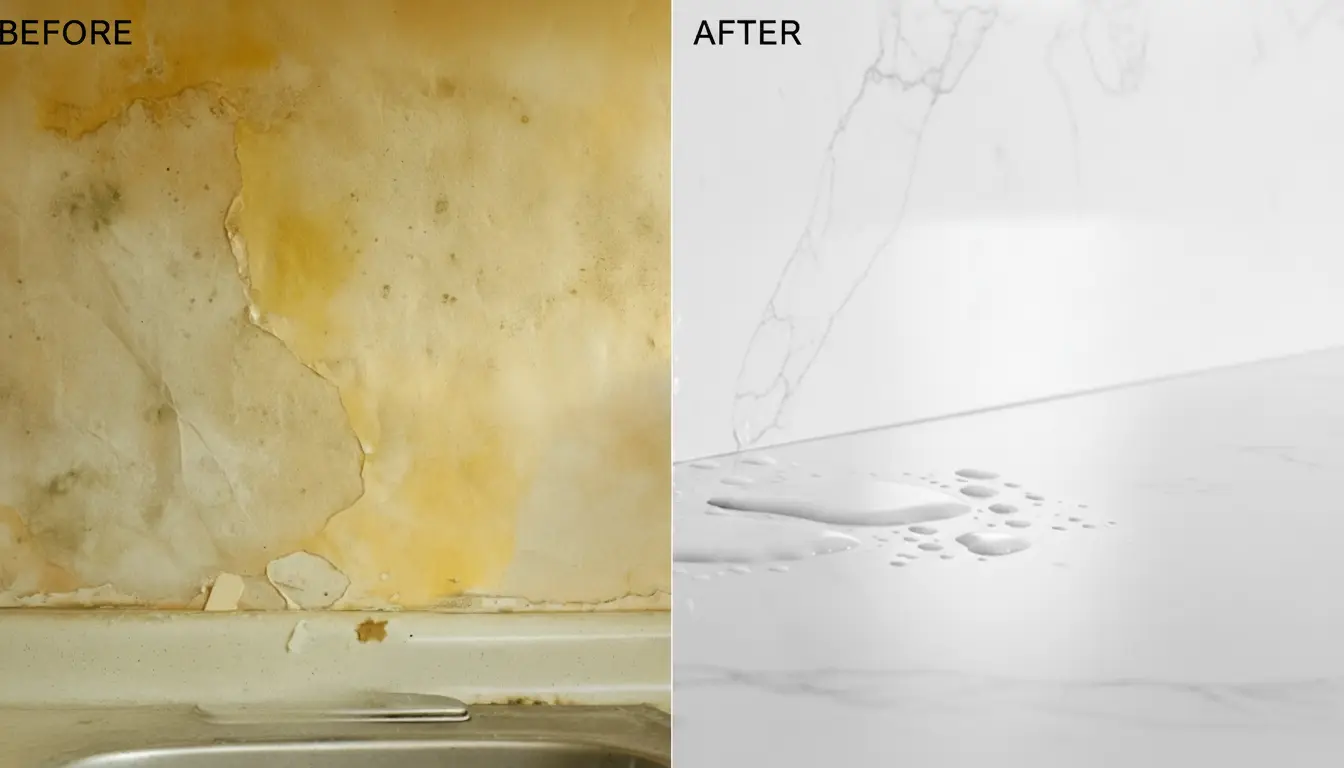
Without a backsplash, your painted or plastered walls will absorb this moisture over time. The result? Peeling paint, mould growth, water stains, and eventual structural damage to your walls. In Malaysia’s climate, this deterioration happens faster than you might expect.
Defence Against Cooking Stains
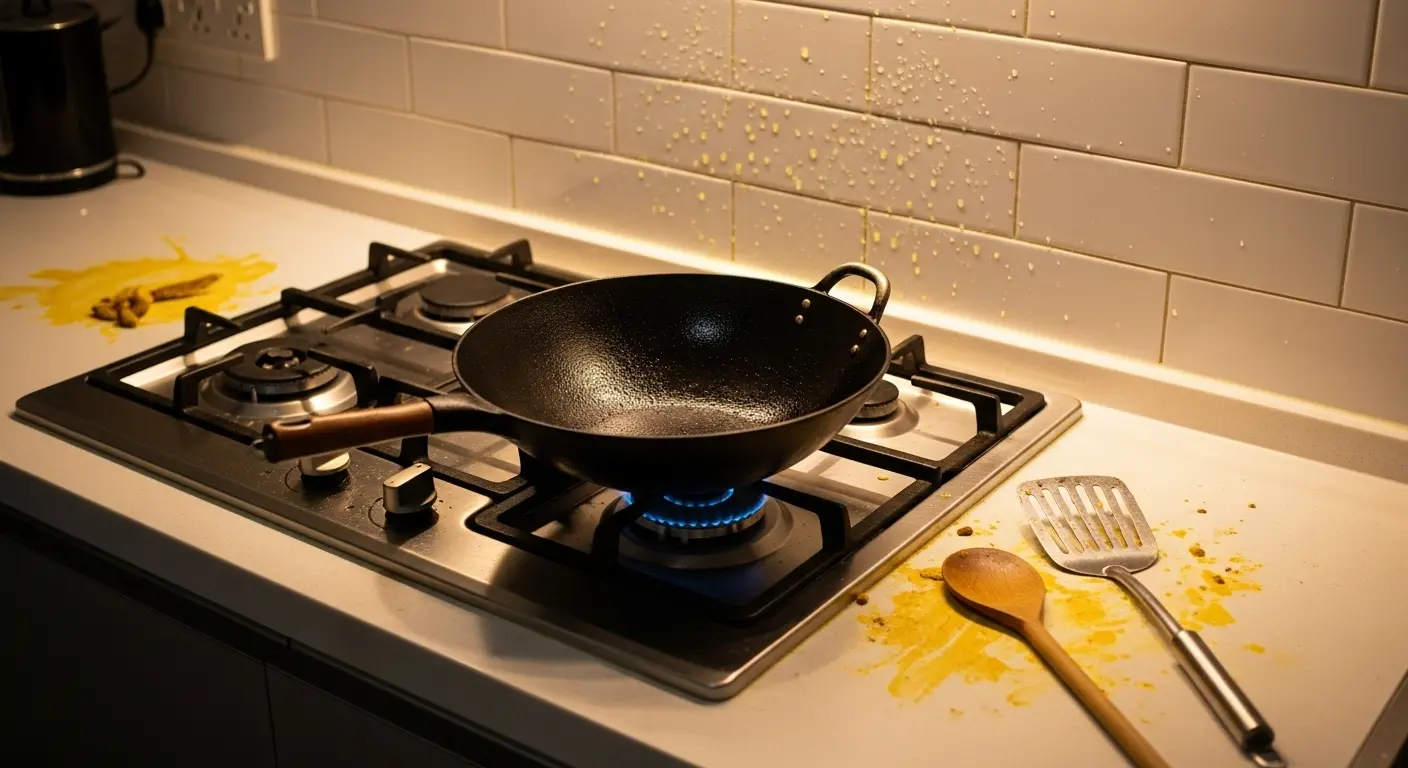
Malaysian cooking is wonderfully flavourful but notoriously messy. Consider what typically happens in a Malaysian kitchen:
- Oil splatters from stir-frying and deep-frying
- Turmeric stains from curry preparation
- Sambal and chilli paste splatters
- Soy sauce and kicap splashes
- Belacan and spice paste residue
These ingredients don’t just sit on your wall—they penetrate porous surfaces and create permanent stains. A proper backsplash made from non-porous materials prevents these stains from ever reaching your walls.
Heat Protection Behind the Cooker
The area directly behind your cooker hob experiences intense heat exposure. This repeated heating can:
- Cause paint to bubble, crack, and peel
- Discolour painted surfaces
- Create fire safety concerns with certain wall materials
- Weaken adhesives used in wall finishes
A heat-resistant backsplash material provides essential protection for this high-temperature zone.
When You Absolutely Cannot Skip a Backsplash
There are certain areas in your kitchen where a backsplash isn’t optional—it’s essential:
Behind the Kitchen Sink
This is the wettest zone in your kitchen. Water splashes constantly during dishwashing, food prep, and general cleaning. Without backsplash protection:
- Water will seep into your walls
- Mould and mildew will develop quickly (especially in Malaysia’s humidity)
- The wall structure will weaken over time
- You’ll face costly repairs far exceeding the price of a backsplash
Minimum recommendation: Install a backsplash that extends at least 60cm above your countertop, though a full-height backsplash to the bottom of your upper cabinets (60-70cm) offers better protection and is the Malaysian standard.
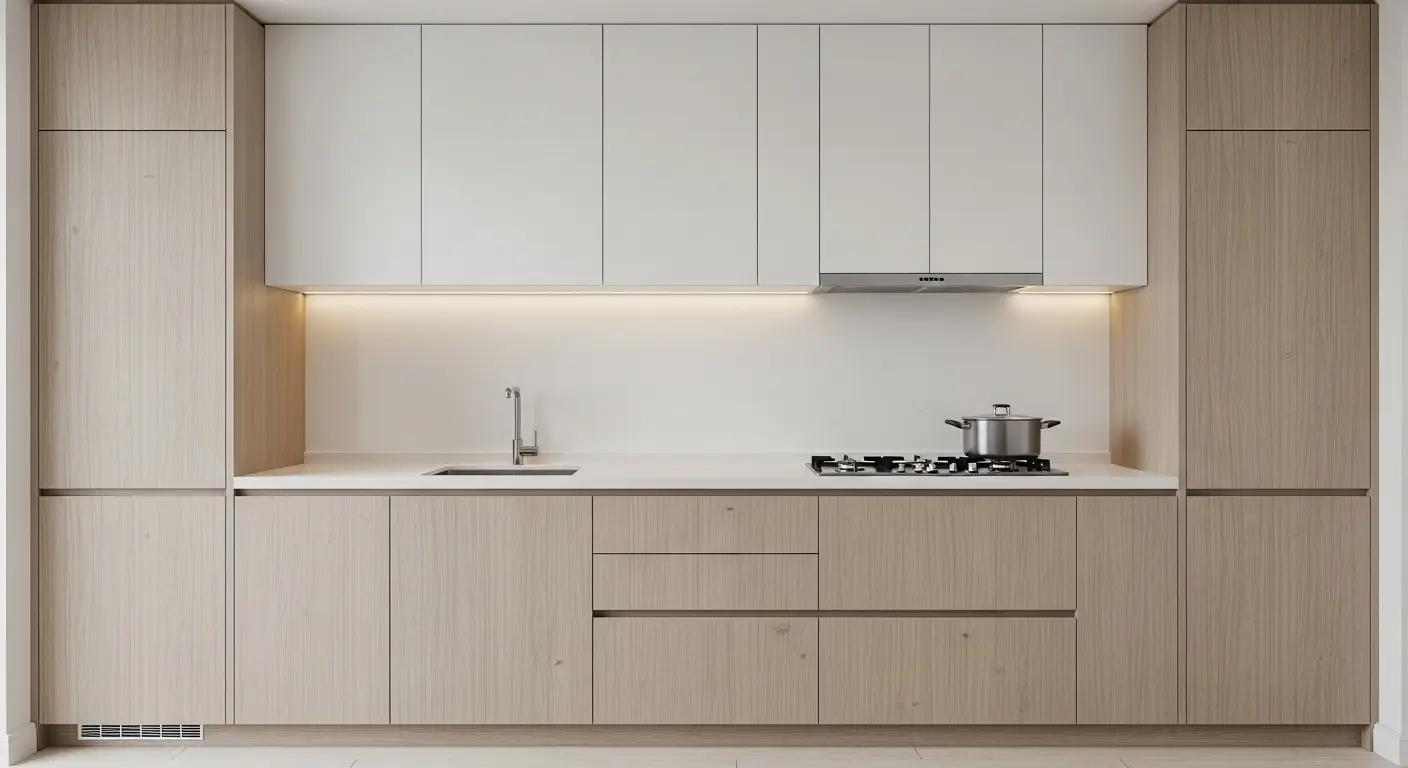
Behind the Cooker Hob
This is your kitchen’s splash zone and heat exposure area. Whether you’re cooking rendang, frying ikan keli, or making roti canai, this area takes the brunt of:
- Grease and oil splatters
- Food particle spray
- Steam and heat
- Smoke residue
Minimum recommendation: Install a backsplash that covers the entire wall section behind and around your cooker, extending to the upper cabinets. In Malaysian kitchens, this typically means a 60-70cm height that fills the gap between base and upper cabinets.
Food Preparation Areas
If you have dedicated countertop space for food prep—especially if you work with wet ingredients, marinades, or messy tasks—a backsplash here prevents daily splatters from staining your walls.
Areas Where You Might Skip a Backsplash
There are limited situations where you could potentially forgo a backsplash:
Areas Without Upper Cabinets
If you have a section of countertop without upper cabinets and it’s not used for cooking or washing, you might extend your countertop material slightly up the wall (a small upstand of 5-10cm) rather than installing a full backsplash.
However, even in these areas, a backsplash adds visual continuity and protection against accidental splashes.
Display or Serving Areas
If you have a butler’s pantry, coffee bar, or serving counter that isn’t exposed to water or cooking activities, the backsplash becomes more of a design choice than a necessity.
Even here, many Malaysian homeowners choose to include backsplashes for aesthetic consistency throughout the kitchen.
Choosing the Right Backsplash Material for Malaysian Kitchens
If you’re convinced you need a backsplash (and you should be!), the next question is: what material should you choose?
Quartz Stone Backsplashes
Quartz offers exceptional performance for Malaysian kitchens:
- Non-porous surface resists staining from turmeric, curries, and oils
- Heat resistant (though not heatproof—avoid direct flame contact)
- Easy to clean with just soap and water
- Hygienic surface that doesn’t harbour bacteria
- Seamless appearance when matched with quartz countertops
Quartz backsplashes work particularly well when you want a cohesive look throughout your kitchen. Many Malaysian homeowners extend their countertop material up the wall for a sleek, modern aesthetic.
Ready to explore colours and finishes? Browse our quartz stone collection to see the full range of options available for your backsplash project.
Sintered Stone Backsplashes
Sintered stone is gaining popularity in Malaysian kitchens for good reason:
- Extremely heat resistant can handle direct heat exposure
- UV stable won’t fade even near windows
- Highly stain resistant to oils, acids, and pigmented foods
- Large format options mean fewer joints and easier cleaning
- Versatile designs including realistic marble and concrete looks
For the area directly behind your cooker, sintered stone offers superior heat resistance compared to other materials.
Want to understand the differences better? Read our comprehensive guide on quartz vs sintered stone for Malaysian kitchens to make an informed decision about which material best suits your cooking style and budget.
Porcelain Slab Backsplashes
Large-format porcelain slabs provide:
- Excellent water resistance ideal for sink areas
- Wide design variety from marble looks to contemporary patterns
- Cost-effective option compared to natural stone
- Durable surface that withstands daily kitchen activities
Porcelain works well for Malaysian kitchens with moderate cooking activity. For a detailed comparison of how porcelain slabs stack up against quartz, read our porcelain slab vs quartz stone comparison guide.
Ceramic Tiles
Traditional ceramic tiles remain popular because they’re:
- Budget-friendly for cost-conscious renovations
- Easy to replace if damaged
- Available in countless designs and colours
- Water and stain resistant when properly sealed
The downside? Grout lines require regular cleaning and maintenance, which can be challenging with Malaysian cooking residue.
How High Should Your Backsplash Go?
The height of your backsplash affects both protection and aesthetics:
Standard Height (60-70cm)
In Malaysian kitchens, base cabinets are typically 80cm-90cm tall, and upper cabinets begin at around 150cm from the floor. This creates a gap of approximately 60-70cm between your countertop and the bottom of your upper cabinets—and this is the standard backsplash height for most Malaysian homes. This height provides adequate protection for the wall area that’s most exposed to splashes and cooking activity.
Full Height (to ceiling)
In modern Malaysian kitchens, full-height backsplashes are increasingly popular:
- Creates a dramatic visual impact
- Provides complete wall protection
- Easier to clean (no awkward gap between backsplash and cabinets)
- Makes small kitchens feel more spacious
- Eliminates the dust-collecting gap above a short backsplash
Full-height backsplashes work particularly well behind cooker hobs, creating a statement wall whilst offering maximum protection.
The Hidden Costs of Skipping Your Backsplash
Let’s talk about what happens if you decide to skip the backsplash to save money:
Wall Damage and Repairs
Within months, you’ll likely notice:
- Water stains behind the sink
- Oil stains and discolouration behind the cooker
- Paint peeling from moisture exposure
- Mould growth in humid areas
Repair costs: Expect to spend RM500-RM1,500 per wall section for cleaning, repairing, and repainting—and that’s assuming the damage hasn’t penetrated deep into the wall structure.
Reduced Property Value
When it’s time to sell or rent your property, potential buyers and tenants will notice:
- Stained, damaged walls indicating poor maintenance
- An incomplete kitchen that needs immediate work
- Lower perceived quality of your renovation
A kitchen without a proper backsplash can reduce your property’s perceived value and make it harder to achieve your asking price.
Ongoing Maintenance Headaches
Without a backsplash, you’ll spend more time:
- Scrubbing walls trying to remove stubborn stains
- Repainting kitchen walls more frequently
- Dealing with mould and mildew in humid areas
- Worrying about every splash and spill
A proper backsplash made from quality materials like quartz or sintered stone requires minimal maintenance—just a quick wipe-down keeps it looking pristine.
Higher Long-Term Costs
Over 10 years, the cost of repeatedly repainting walls, dealing with water damage, and eventually replacing damaged wall sections will far exceed the initial investment in a quality backsplash.
Example cost comparison:
- Quality quartz backsplash (one-time): RM2,000-RM4,000
- Wall repairs and repainting (every 2-3 years): RM800-RM1,500 per occurrence
- 10-year cost without backsplash: RM3,200-RM6,000+ (plus frustration and inconvenience)
Planning your renovation budget? Check our comprehensive Malaysian stone countertop price guide for 2025 to understand the full investment required for quality materials.
Backsplash Installation: DIY or Professional?
Given the permanent nature of backsplash installation and its critical protective function, professional installation is strongly recommended—especially for stone materials.
Why Stone Backsplashes Require Professional Installation
Weight Considerations: Stone materials like quartz, sintered stone, and porcelain slabs are extremely heavy. A single slab can weigh 50-80kg or more, making them difficult and unsafe to handle without proper equipment and experience. Improper handling can result in:
- Personal injury from the weight
- Cracked or broken slabs
- Damage to your countertops or cabinets during installation
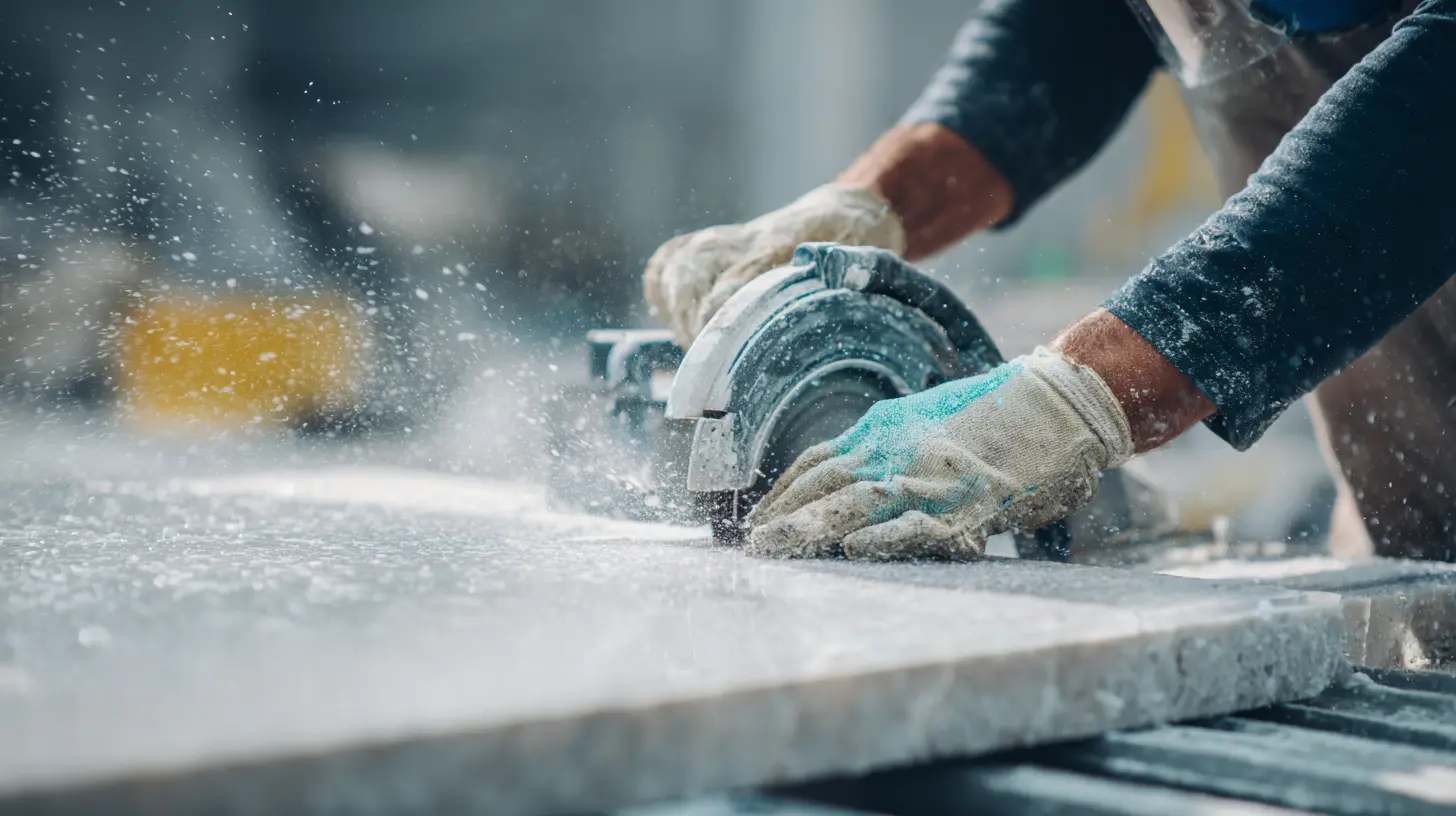
Specialized Cutting Tools Required: Cutting sintered stone and porcelain slabs requires specialized diamond-tipped cutting tools and equipment that most homeowners don’t possess:
- Standard tile cutters cannot handle the density and hardness of these materials
- Improper cutting tools will cause severe chipping along the edges
- Precision cuts around electrical outlets, switches, and corners require professional-grade equipment
- Without water-cooled cutting systems, the material can crack from heat stress
Chipping Issues: One of the most common problems with DIY stone installation is chipping. Without proper tools and technique:
- Edges chip during cutting, creating an unprofessional appearance
- Corners can break when making cutouts for fixtures
- The chipped edges cannot be easily repaired and may require replacing the entire piece
- Chipped backsplashes look unfinished and can harbour bacteria in the damaged areas
What Professional Installers Provide
Professional installers ensure:
- Safe handling of heavy stone slabs with appropriate equipment
- Precise cutting using industrial-grade diamond saws and water-cooled systems
- Clean, chip-free edges and cutouts
- Proper surface preparation and waterproofing
- Correct adhesive selection for Malaysian humidity
- Sealed joints that prevent water penetration
- Professional finishing that looks seamless and polished
- Warranty coverage for their installation work
Before selecting your installer or supplier, review our guide on crucial questions to ask your countertop supplier to ensure you’re working with experienced professionals who understand stone installation requirements.
When DIY Might Be Possible
For lightweight ceramic tile backsplashes, experienced DIY homeowners with proper tiling experience might manage the installation. However, even with tiles, you’ll need:
- Tile cutting tools
- Level and spacers
- Appropriate adhesive and grout
- Understanding of proper waterproofing techniques
Our strong recommendation: For quartz, sintered stone, and porcelain slab backsplashes, always hire professional installers. The cost of professional installation is far less than replacing damaged materials from a DIY attempt gone wrong.
Design Tips for Malaysian Kitchen Backsplashes
Your backsplash should protect your walls whilst enhancing your kitchen’s aesthetic:
Match or Contrast with Countertops
Matching: Extending your countertop material up the wall creates a cohesive, sophisticated look. This works particularly well with quartz and sintered stone.
Contrasting: Pairing a neutral countertop with a patterned or textured backsplash adds visual interest without overwhelming the space.
Consider Lighting
Under-cabinet lighting highlights your backsplash and makes food prep easier. Glossy or polished backsplash materials reflect light, making your kitchen feel brighter and more spacious.
Think About Scale
In small Malaysian kitchens (common in apartments and terraced houses), large-format slabs with minimal grout lines make the space feel larger. Small tiles can make a compact kitchen feel busy and cramped.
Choose Colours Wisely
Light colours reflect heat and make kitchens feel more spacious—important in Malaysia’s warm climate. However, they may show stains more easily than medium-toned materials.
Dark backsplashes create drama but require more frequent cleaning to keep them looking pristine, especially with cooking residue.
Maintaining Your Backsplash in Malaysian Kitchens
Once installed, your backsplash requires regular maintenance:
Daily Cleaning
Wipe down your backsplash after cooking, especially after preparing oily or heavily spiced dishes. Use a soft cloth with warm water and mild detergent.
For stubborn stains on quartz or sintered stone backsplashes, a mixture of baking soda and water creates a gentle cleaning paste. Alternatively, CIF Cream Cleaner works excellently for daily maintenance of stone backsplashes—it’s gentle enough not to damage the surface whilst being effective at removing cooking residue, oil splatters, and stubborn marks. Simply apply a small amount to a damp cloth, wipe the backsplash, and rinse with clean water.
Weekly Deep Cleaning
Once a week, clean the entire backsplash thoroughly, paying special attention to areas behind the cooker and sink. For tile backsplashes, clean grout lines to prevent discolouration.
Dealing with stubborn Malaysian cooking stains? Our guide on cleaning countertops and removing turmeric stains provides specific techniques for tackling the toughest stains from Malaysian cuisine.
Avoid Harsh Chemicals
Don’t use abrasive cleaners or harsh chemicals that might damage your backsplash material. Stick to pH-neutral cleaners designed for stone surfaces.
The Bottom Line: Is a Kitchen Backsplash Necessary?
For Malaysian kitchens, the answer is clear: yes, a backsplash is necessary—especially behind sinks and cookers.
The minimal investment in a quality backsplash protects your walls from water damage, prevents stubborn staining, simplifies cleaning, and adds value to your home. Skipping the backsplash to save money is a false economy that will cost you more in repairs and maintenance over time.
Choose a durable, non-porous material like quartz, sintered stone, or porcelain that can withstand Malaysia’s humid climate and cooking style. Install it properly with professional help. Maintain it regularly with simple cleaning.
Your kitchen backsplash isn’t just a design feature—it’s essential protection for one of your home’s most hard-working spaces.
Planning Your Kitchen Renovation?
If you’re planning a kitchen renovation and need guidance on selecting the right materials for your countertops and backsplash, don’t navigate this journey alone. The choices you make now will affect your kitchen’s functionality and appearance for decades to come.
For comprehensive guidance on every aspect of your kitchen transformation—from material selection to design considerations—explore our complete guide to perfect kitchen countertops.
Whether you’re considering quartz, sintered stone, or porcelain for your backsplash, choose materials that offer the protection and performance your Malaysian kitchen needs. Invest in quality now, and you’ll enjoy a beautiful, low-maintenance kitchen for years to come.\
Our experienced team can help you select the perfect backsplash material for your Malaysian kitchen, ensuring both protection and style that suits your home and budget.