How to Care for Your Stone Countertop
One of the best things about quartz and sintered stone countertops is how little they ask of you.
No sealing, no repolishing, no complicated routines. Just simple, consistent care — and your countertop
will look as good in ten years as it does on day one.
Daily Cleaning
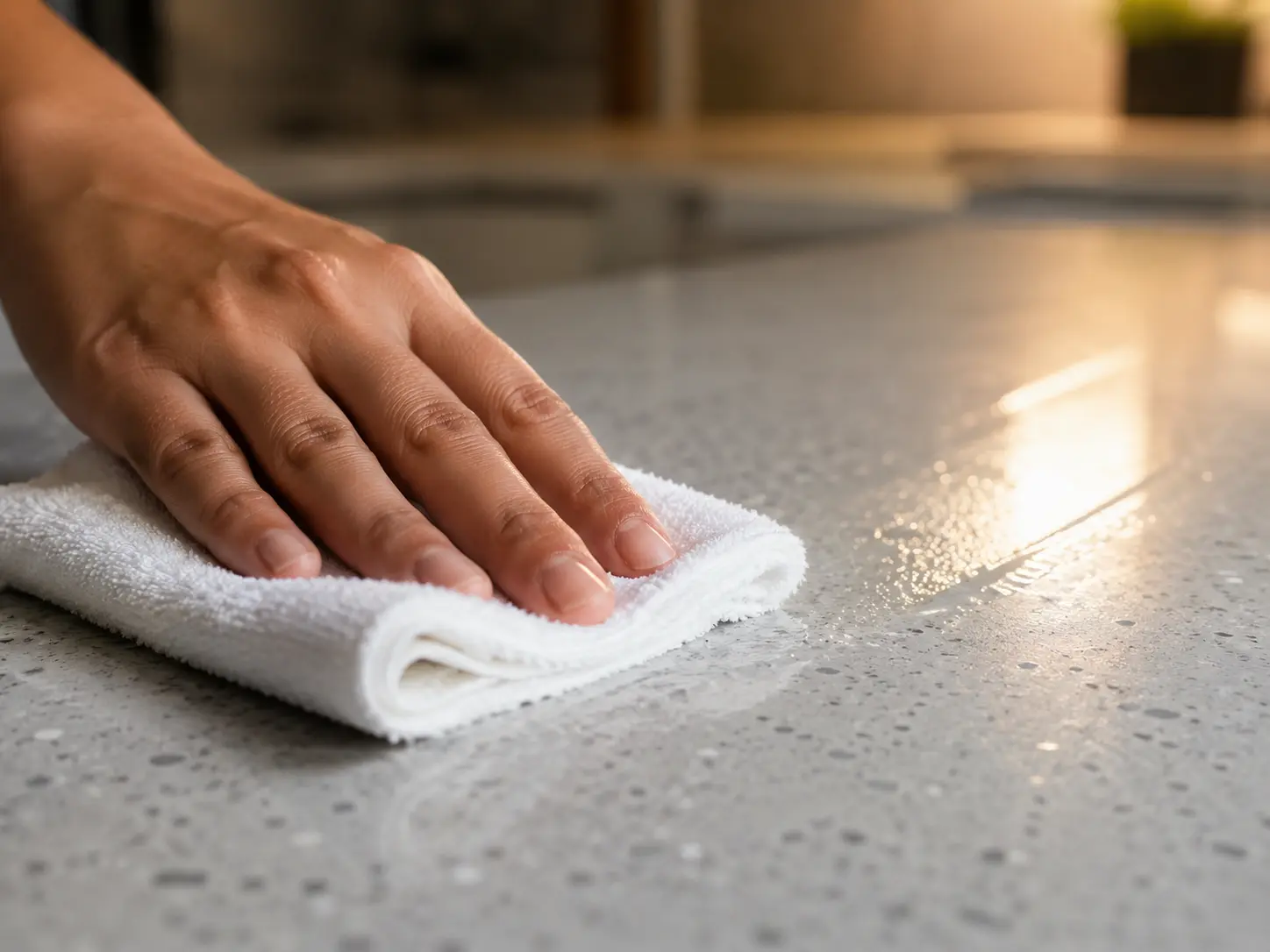
For everyday cleaning, a damp cloth and clean water is all you need. Wipe down the surface after cooking, and you're done.
For light grease or food residue, a small amount of mild dish soap on a soft cloth works perfectly. Rinse with water and wipe dry.
What you can safely use:
- Warm water and a soft cloth
- Mild dish soap
- Multi-purpose household spray cleaners (pH-neutral)
- Isopropyl alcohol (for disinfecting)
- Acetone or nail polish remover (safe on quartz — useful for removing adhesive residue or nail polish)
Genuine quartz stone & sintered stone does not require major and routine maintenance, such as applying sealant and re-polishing.
It is easy to take care of; most of the time, you can just clean it with water and a soft cloth.
Removing Stubborn Stains
For stubborn marks that water alone won't shift, reach for CIF Cream Cleanser. It is gentle enough for stone surfaces and effective on most dried-on residue.
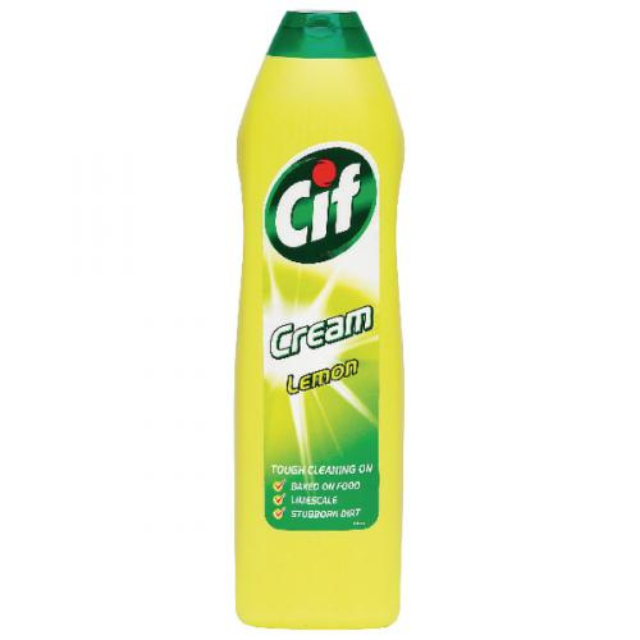
How to use CIF Cream Cleanser:
- Apply a small amount of CIF directly onto the stain
- Rub gently in circular motions using a soft cloth or non-scratch sponge
- Rinse the cloth with clean water
- Wipe the surface clean
- Repeat if needed for tougher stains
Common stains in Malaysian kitchens — act quickly on these:
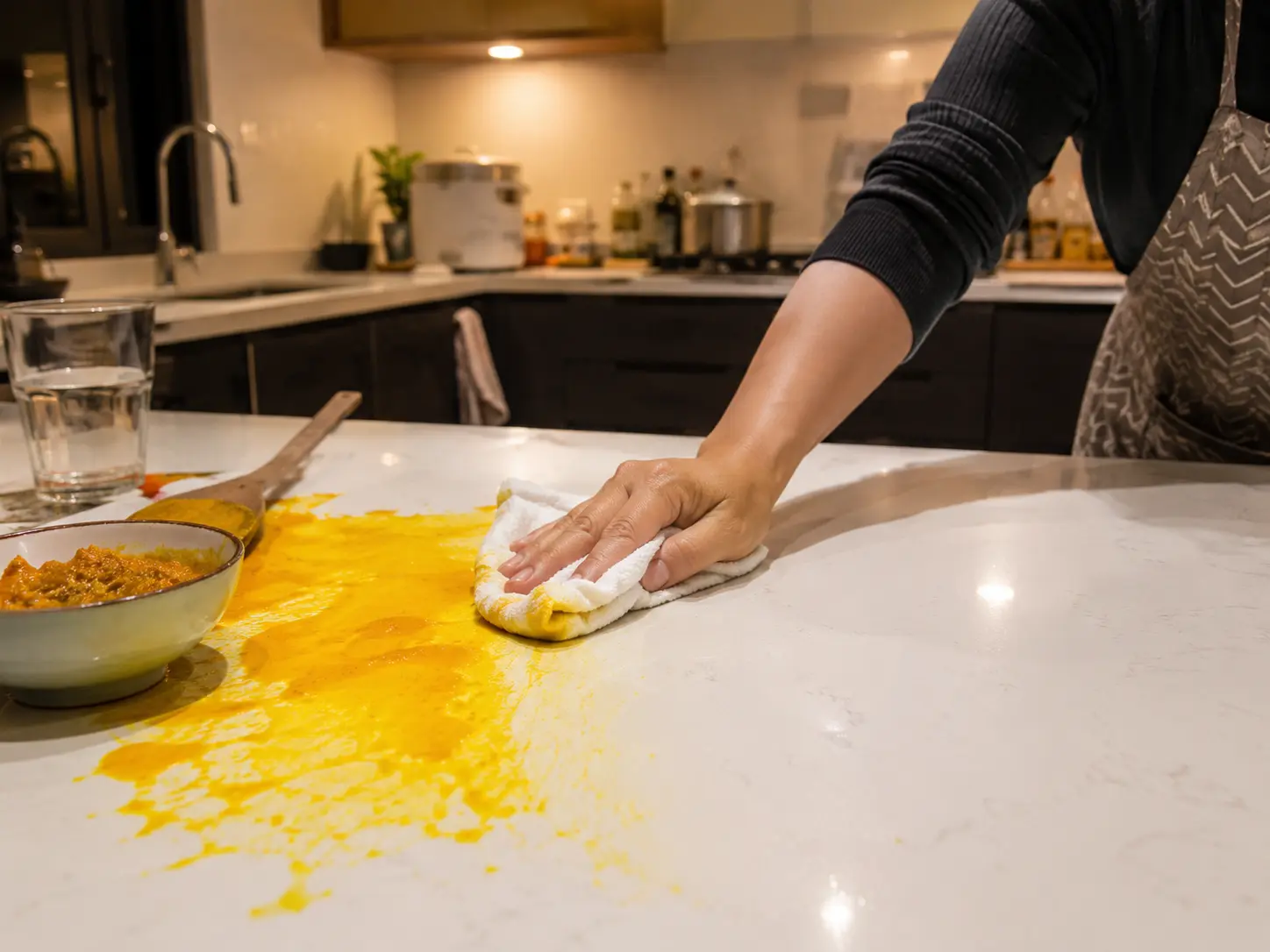
- Turmeric (kunyit) — wipe up immediately; turmeric is one of the most stubborn stains on any surface
- Curry paste and chilli sauce — rinse within minutes to prevent pigment transfer
- Soy sauce and dark vinegar — remove within 24 hours
- Tomato sauce and sambal — wipe off as soon as possible
- Teh tarik and kopi — blot, don't rub; clean with damp cloth promptly
- Hair dye — for bathroom vanity tops, wipe off immediately; use acetone if it has dried
As a general rule, do not leave pigmented liquids or food residue on the surface for more than 24 hours. The longer a staining agent sits, the harder it is to remove.
Cleaning Dried Food & Dried Residue
If food or liquid has dried and hardened on the surface:
- Soak the area with a wet cloth or pour a small amount of water over it
- Leave it for 1–2 minutes to soften
- Wipe away with a soft cloth
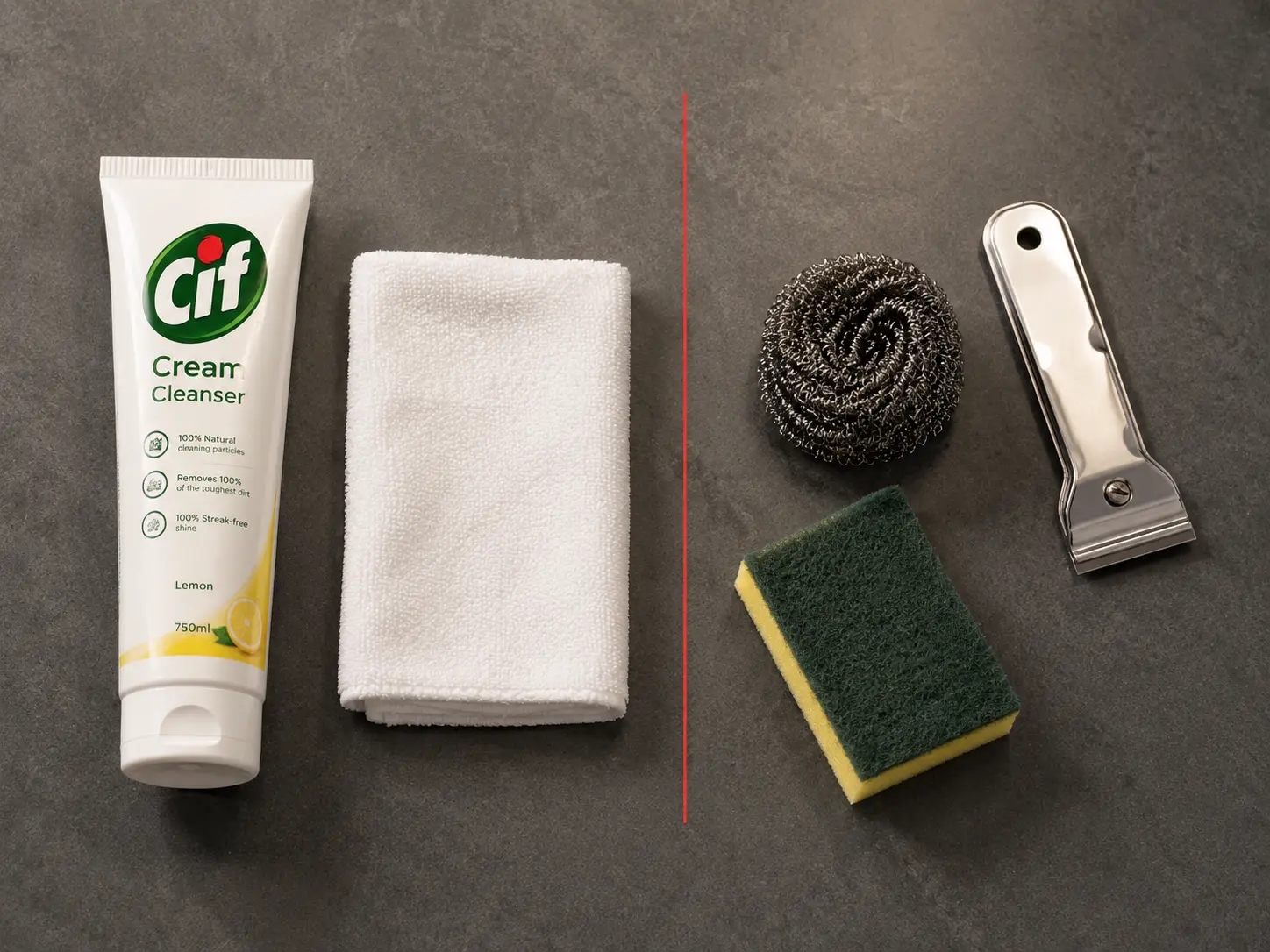
For more stubborn dried residue, use a plastic scraper at a low angle to lift the material — never use metal scrapers or knives directly on the surface.
What to Avoid
These are the things most likely to cause permanent damage to your countertop. Avoiding them is the single best thing you can do to preserve your surface long-term.
Cleaning products to avoid:
- Bleach-based cleaners (undiluted or concentrated)
- Highly acidic solutions such as rust removers, drain cleaners, or muriatic acid
- Paint strippers or chemical thinners (other than acetone, which is safe)
- Abrasive powder cleansers
- Steel wool or metal scrubbing pads
Cleaning tools to avoid:
- Textured or rough scrubbing pads that can micro-scratch the surface
- Metal spatulas or sharp tools used directly on the countertop
- Scouring sponges with rough green or brown backing
Everyday habits to avoid:
- Sitting or standing on the countertop
- Dragging heavy appliances across the surface without lifting
- Using the countertop as a cutting board
Heat & Hot Items
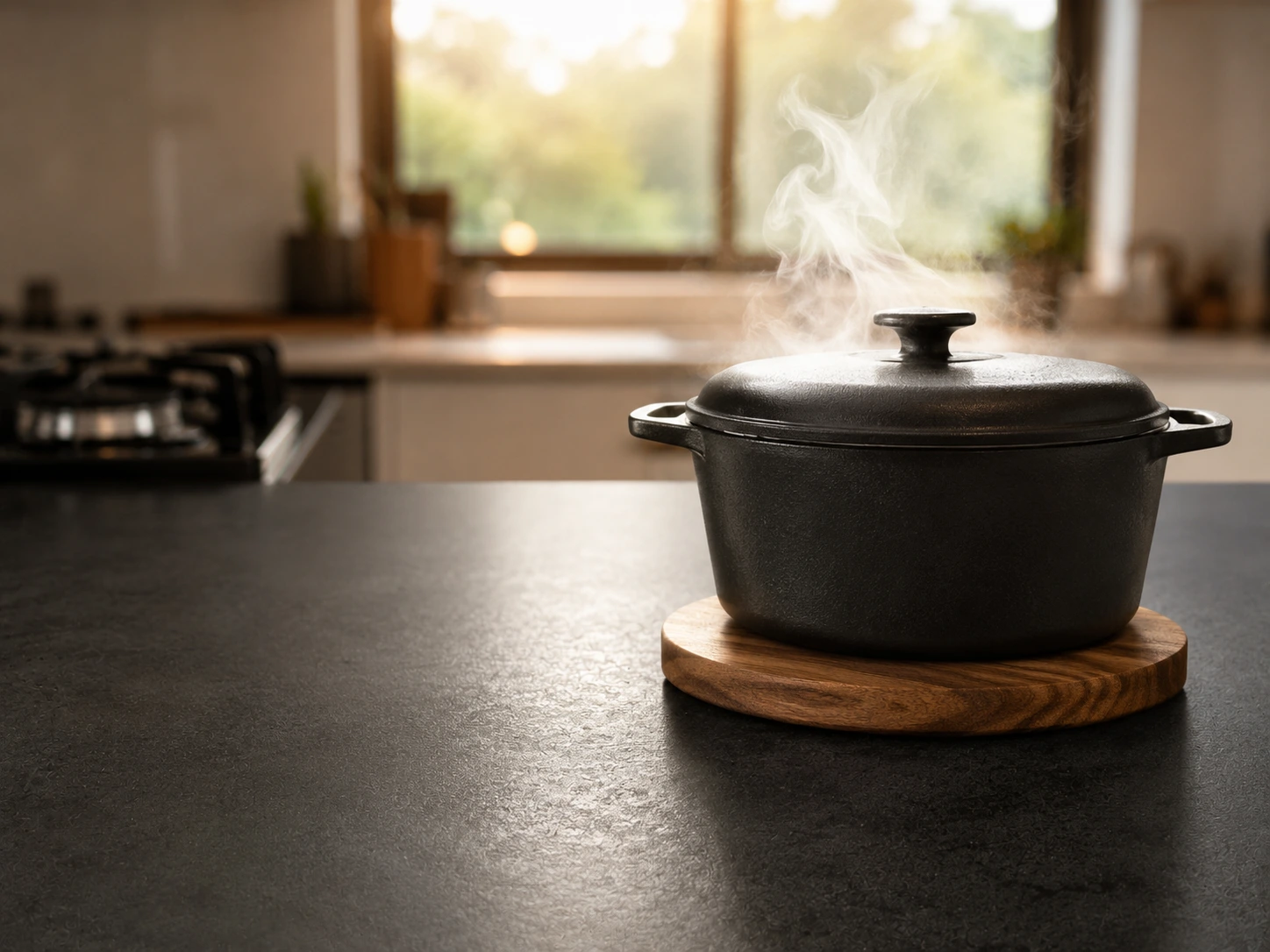
Both quartz and sintered stone are highly heat-resistant — but they are not heatproof.
Quartz countertops can be affected by sustained direct heat above 150°C. Thermal shock (a very hot pot placed suddenly on a cool surface) can cause cracking or discolouration over time.
Sintered stone countertops (such as Dekton and Moca Compact) offer a higher threshold of heat resistance, but the same good habit applies.
Always use a trivet, pot holder, or heat mat when placing hot pots, pans, or appliances directly from the stove or oven onto your countertop. It takes two seconds and protects your surface indefinitely.
Surface Usage Tips
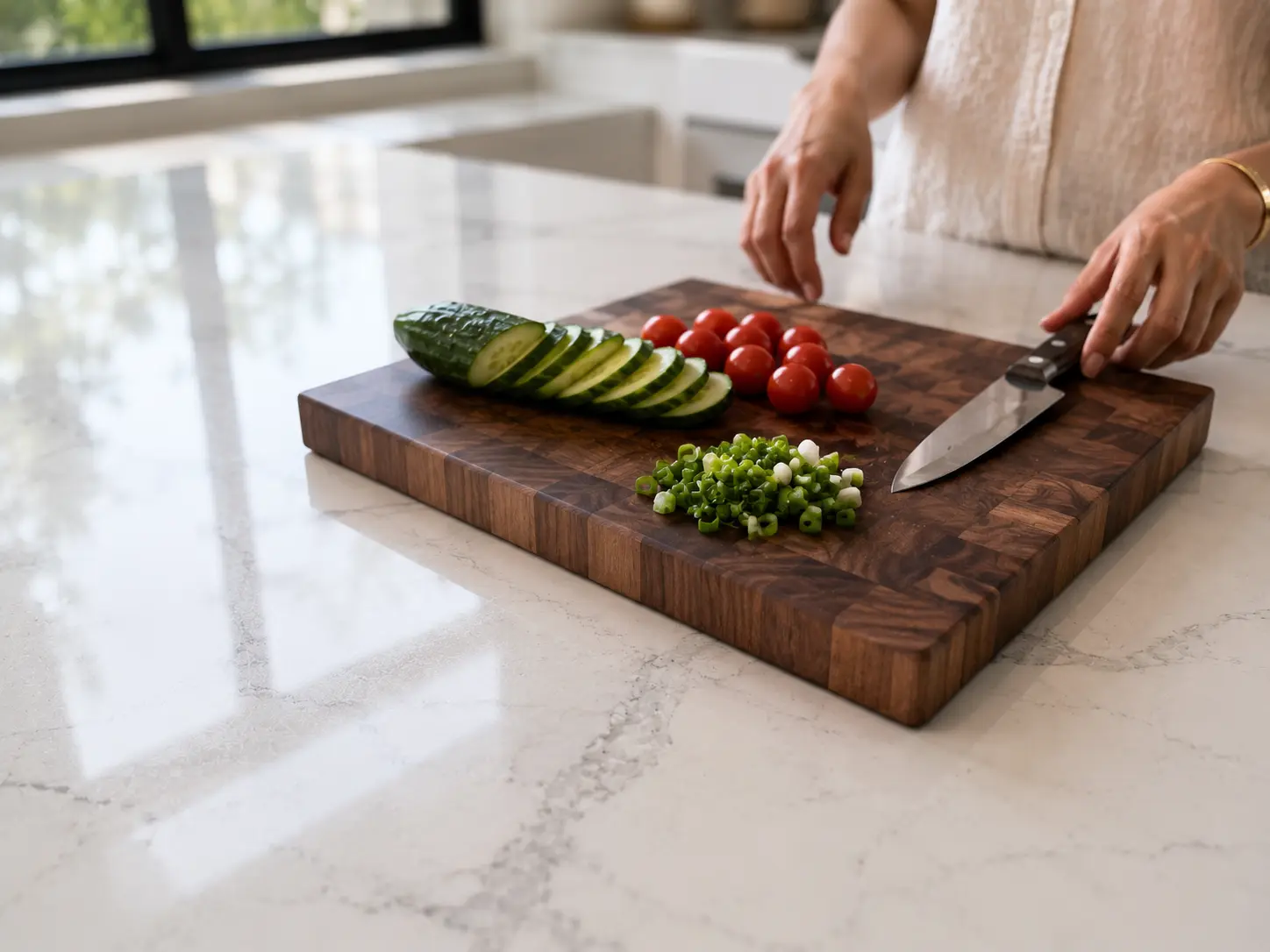
Use a cutting board — always. Your countertop can handle it, but repeated direct cutting will dull your knives and leave visible scratches on the surface over time. A cutting board protects both.
During renovation or construction work: If contractors are working around your countertop, cover it with a sheet of plywood or thick cardboard. Cement drips, grout, and tool marks are among the most common causes of countertop damage during renovation.
For heavy appliances: Lift rather than drag. Sliding a heavy mixer or rice cooker across the surface can leave fine scratches, especially near edges.
Optional: Enhancing the Shine
For an extra boost of shine after cleaning, lightly spray Lemon Pledge (or a similar furniture/surface polish) onto the countertop and buff with a clean, dry microfibre cloth. This adds a subtle sheen and a light protective layer without affecting the stone.
This is entirely optional — your countertop does not require it to stay in good condition.
Quartz vs. Sintered Stone — Is the Care the Same?
For the most part, yes. The daily cleaning routine and general "what to avoid" list applies equally to both materials.
The main differences worth knowing:
| Quartz Stone | Sintered Stone | |
|---|---|---|
| Heat resistance | Good — use trivets | Excellent — higher threshold |
| Scratch resistance | Good | Excellent |
| Chemical resistance | Good — avoid concentrated acids/bleach | Excellent — more tolerant |
| UV resistance | Slight fading possible with prolonged sun | Highly UV resistant |
| Daily care | Water + soft cloth | Water + soft cloth |
Both materials are engineered for durability and low maintenance. Sintered stone simply offers a slightly higher margin of tolerance across all categories.
Warranty & Proper Use
Your Sinno countertop comes with a manufacturer's warranty. To keep your warranty valid, the countertop must be used as intended:
- Use cutting boards for food preparation
- Use trivets and heat mats for hot items
- Clean with appropriate products (as listed above)
- Avoid the tools and chemicals listed in "What to Avoid"
Damage resulting from misuse — including cuts from direct knife use, heat damage from prolonged direct contact, or chemical staining from improper cleaners — may not be covered under warranty.
If you have questions about whether your specific situation is covered, contact our team before attempting any repair.
When to Contact Us
Most everyday care can be handled at home with the tips above. But if you encounter any of the following, reach out to us:
- A deep stain that hasn't responded to cleaning after multiple attempts
- A chip, crack, or edge damage
- Persistent discolouration in a localised area
- Uncertainty about whether something voids your warranty
Our team can advise on the right next step — whether that's a home remedy, a professional cleaning solution, or a repair visit.