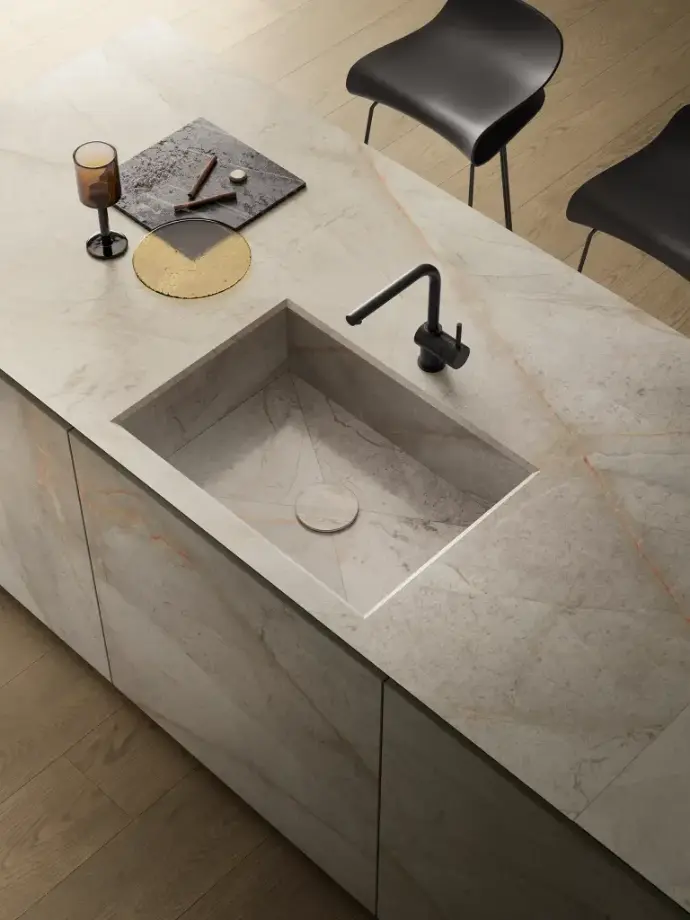
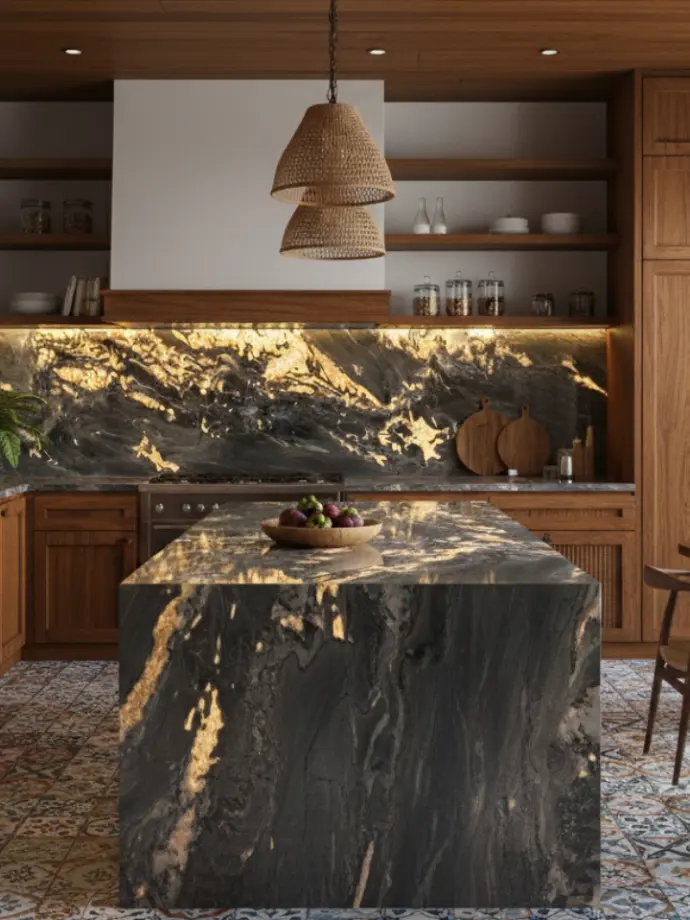
For decades, granite was the undisputed king of kitchen countertops in Malaysia. Walk into any showroom in the early 2000s, and granite dominated every display. It was the material that signalled you'd "made it" — a premium, natural stone that looked spectacular and felt substantial underfoot.
But the countertop landscape has changed dramatically. Engineered quartz, sintered stone, and porcelain slabs have entered the Malaysian market with impressive performance claims. So the question many homeowners are now asking is: is granite still the best countertop choice?
The honest answer isn't a simple yes or no. Granite remains an excellent material with genuine strengths that no engineered product has fully replicated. But it also has real limitations that modern alternatives have specifically addressed. This guide walks you through everything you need to know — honestly, without the sales pitch — so you can decide whether granite truly fits your Malaysian kitchen.
Why Granite Earned Its Reputation
Before we examine granite's limitations, it's worth understanding why this material dominated for so long. Granite didn't earn its reputation by accident — it genuinely excels in several areas that matter deeply in Malaysian kitchens.
Unmatched Heat Resistance
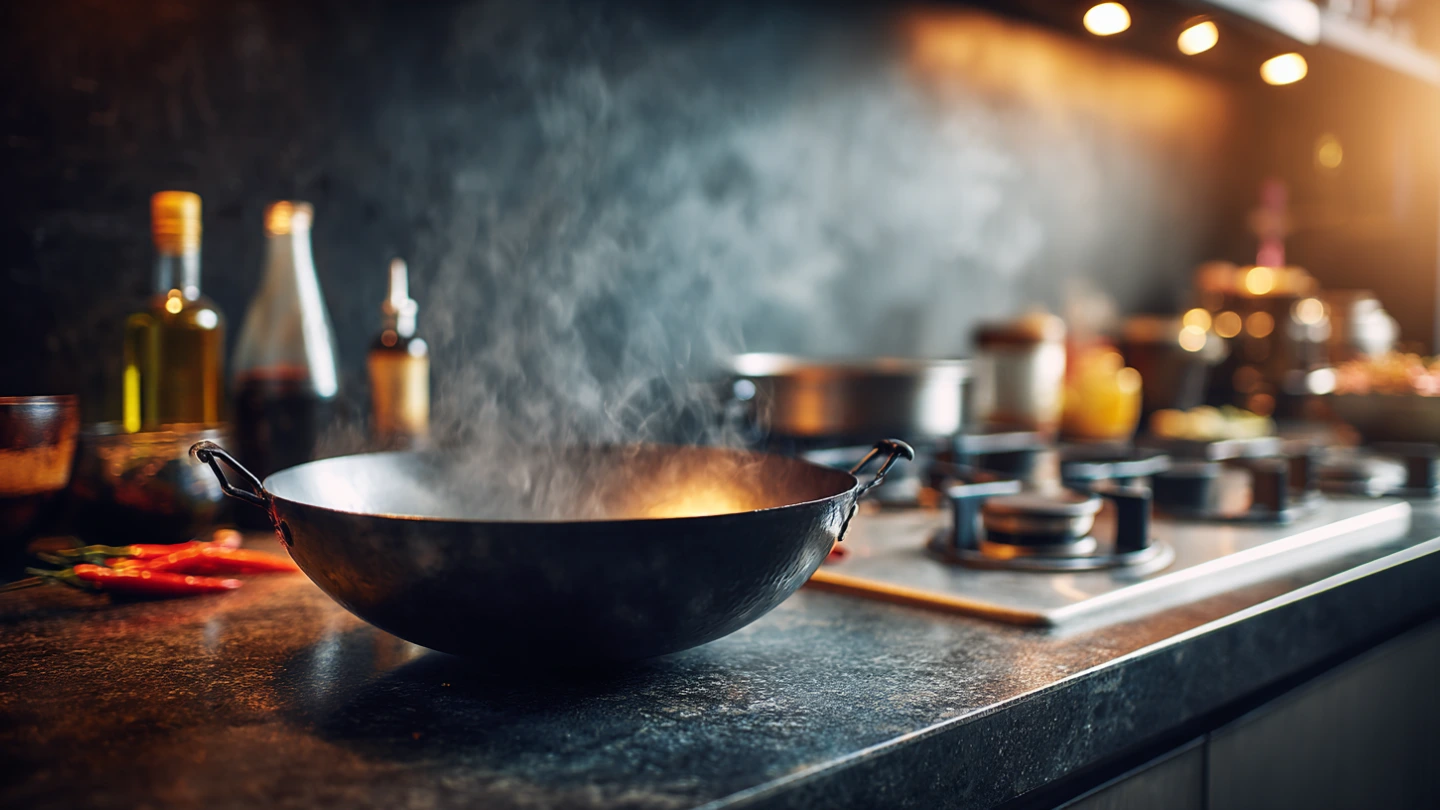
This is granite's crown jewel, and no engineered countertop material has matched it. Granite formed from cooled magma deep within the earth, enduring temperatures far beyond anything your kitchen produces. You can place a screaming hot wok straight from the stove onto granite without a second thought. No scorching, no discolouration, no damage.
For Malaysian homeowners who cook seriously — daily wok frying, deep-frying, rendang preparation over hours — this heat resistance isn't a luxury. It's a practical necessity. Engineered quartz, by comparison, contains resin binders that can scorch at temperatures above 150–200°C. That's a meaningful difference when you're moving a wok that's been sitting over high flame.
Natural Beauty That's Genuinely One-of-a-Kind
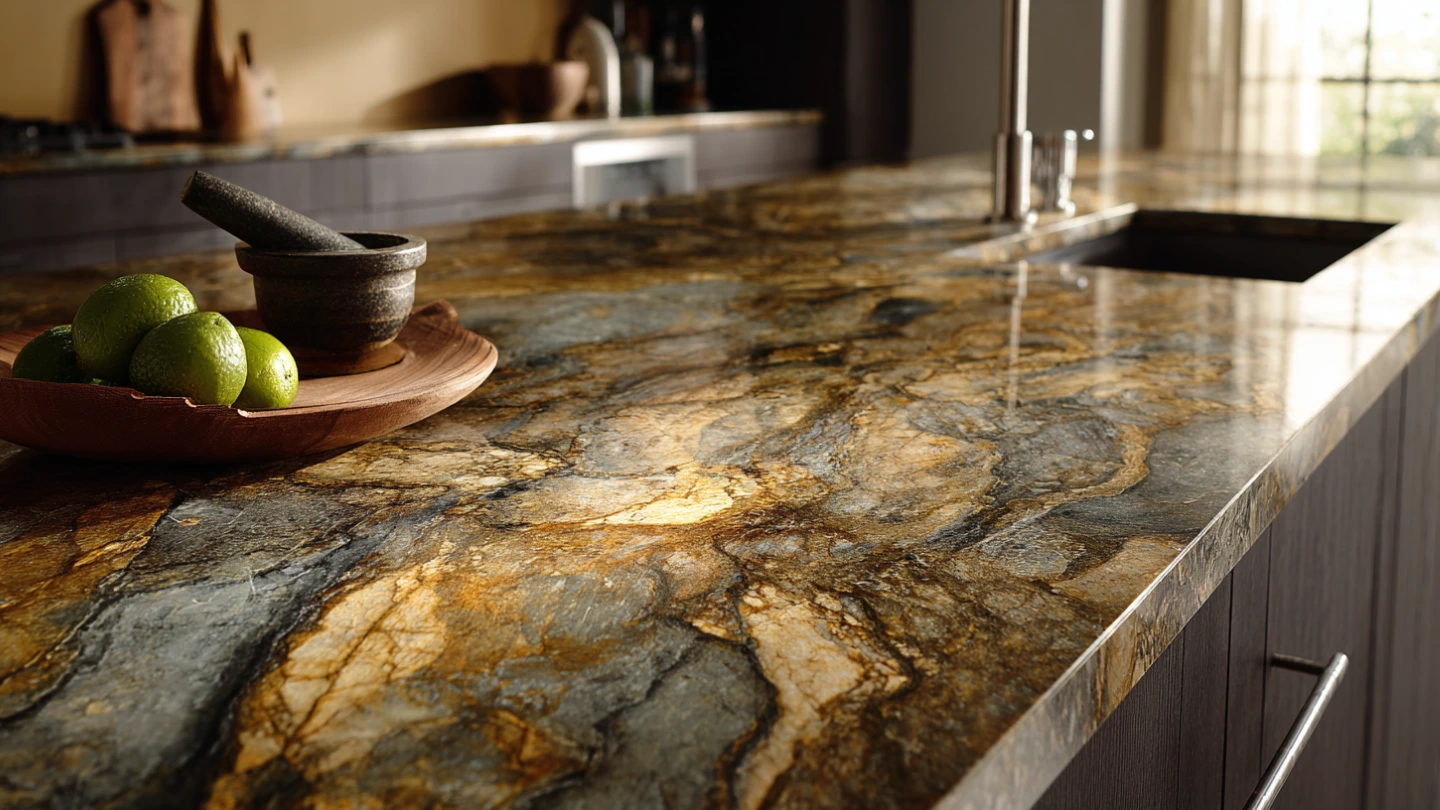
Every granite slab is unique. The crystalline patterns, mineral flecks, and colour variations are formed over millions of years, and no two slabs are identical. This natural character appeals to homeowners who want their kitchen to feel organic and distinctive rather than manufactured.
There's a depth and visual richness to granite that even the best engineered materials struggle to replicate. When light hits a polished granite surface, you see layers of mineral deposits creating dimension that printed or moulded patterns simply cannot match.
Proven Longevity
Granite countertops installed 20 or 30 years ago are still performing well in Malaysian homes today. This isn't theoretical durability — it's a track record. The material is hard, scratch-resistant, and structurally sound. When properly maintained, granite genuinely lasts a lifetime.
Where Granite Falls Short in Malaysian Kitchens
Now here's where honesty matters. Granite has real limitations, and understanding them before you commit saves you from disappointment later.
Porosity and the Sealing Problem
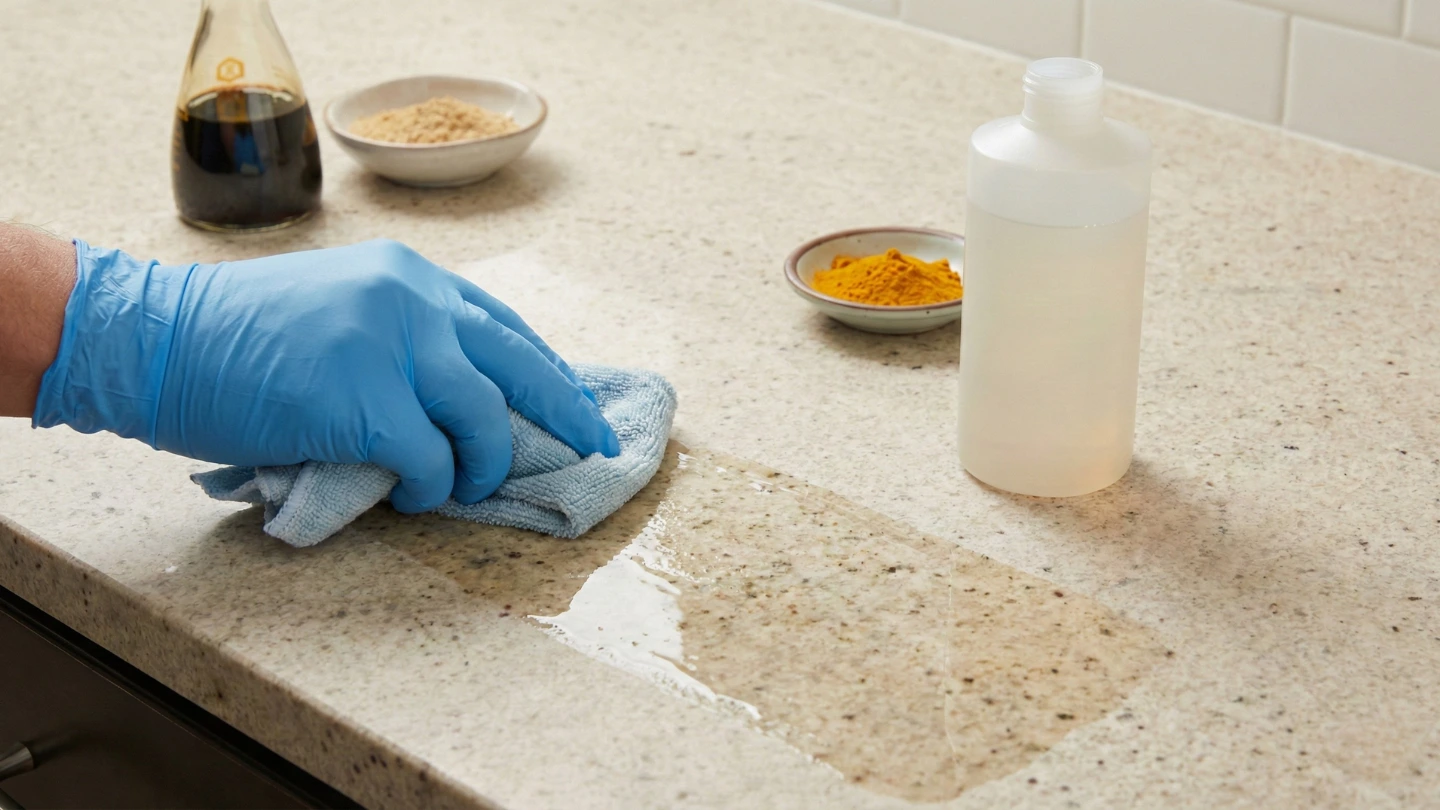
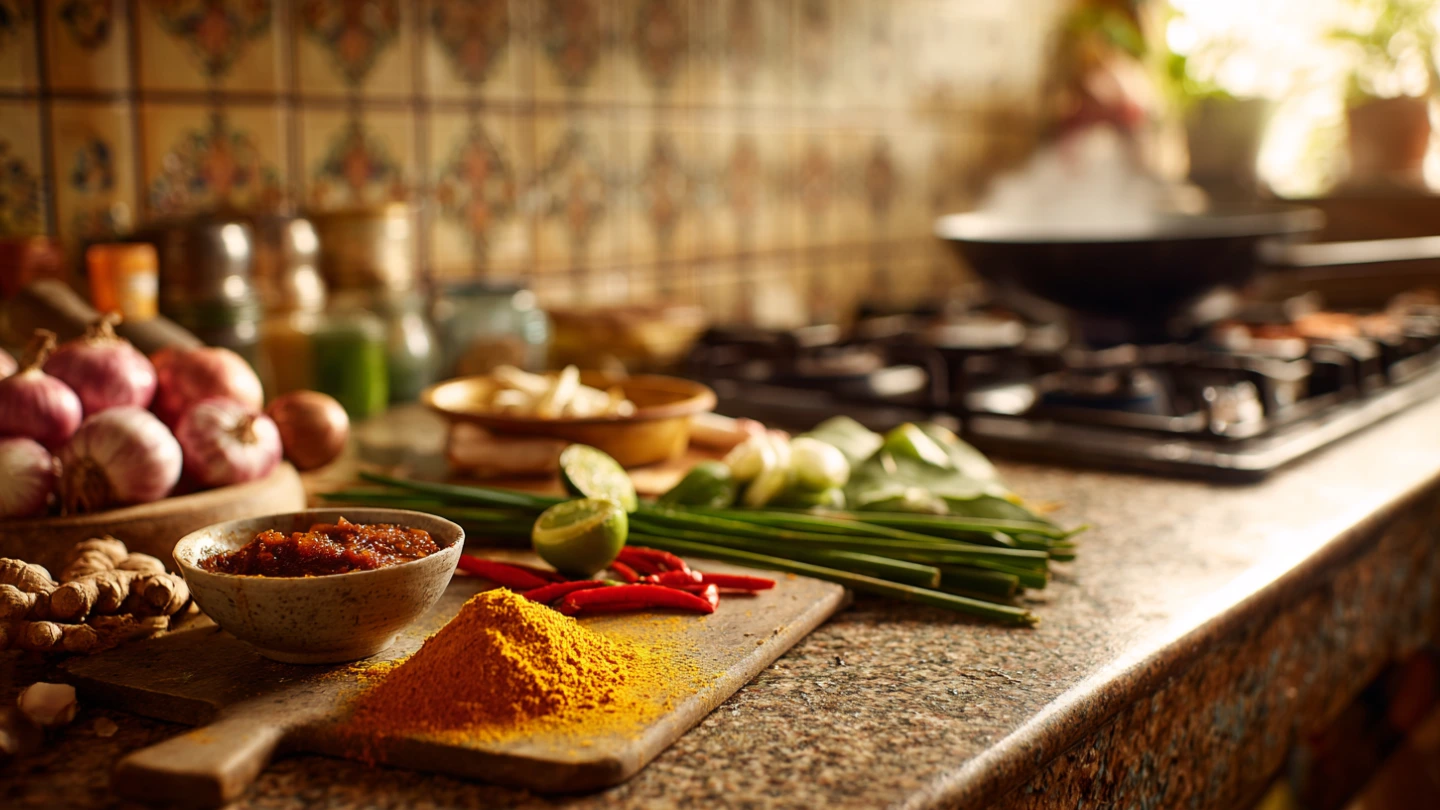
Granite is a natural stone, and natural stones are porous. This means liquids can seep into the surface if it isn't properly sealed. In a Malaysian kitchen — where turmeric, curry paste, soy sauce, and cooking oils are daily ingredients — this porosity is a genuine concern.
Standard granite requires sealing upon installation and re-sealing every one to three years to maintain stain resistance. Miss a sealing cycle, and you'll start noticing oil marks that won't wipe away, or faint yellow stains where turmeric sat too long. This ongoing maintenance commitment is something many homeowners underestimate.
That said, premium granite options have addressed this problem. Sensa Granite, for example, comes with Senguard N.S.S. (Natural Stone Sealer) applied at the factory. This advanced treatment lasts up to 15 years and eliminates the need for regular re-sealing — effectively giving you natural stone beauty with engineered-stone convenience.
Staining Vulnerability
Even when sealed, standard granite isn't as stain-resistant as non-porous materials like quartz or sintered stone. Prolonged contact with acidic substances — lime juice from your sambal, vinegar from achar, or tomato-based sauces — can etch the sealant and eventually the stone itself.
This doesn't mean granite stains easily. With prompt cleaning and proper sealing, most spills are manageable. But if you're the type of cook who leaves ingredients on the counter whilst multitasking, or if you prefer a truly zero-maintenance surface, granite demands more attention than its engineered competitors.
Inconsistency Between Slabs
Granite's uniqueness is both its greatest strength and a practical challenge. Because every slab differs, matching multiple pieces for a large kitchen can be difficult. If you have an L-shaped countertop or an island that requires more than one slab, the colour and pattern variations between pieces may be noticeable.
This means you'll need to visit the supplier and hand-pick your slabs — ideally selecting pieces from the same block. If you need additional granite later (for a backsplash extension or a repair), finding a match is virtually impossible.
Limited Design Range
Granite comes in the colours and patterns that nature provides. Whilst the variety is vast — from deep blacks to warm golds to dramatic blues — you're ultimately limited to what's available in quarries worldwide. If you have a very specific colour vision for your kitchen, granite may not offer an exact match.
Engineered materials like quartz offer far more design control, with manufacturers producing everything from pure whites to bold solid colours to intricate marble-look patterns with perfect consistency.
How Granite Compares to Modern Alternatives
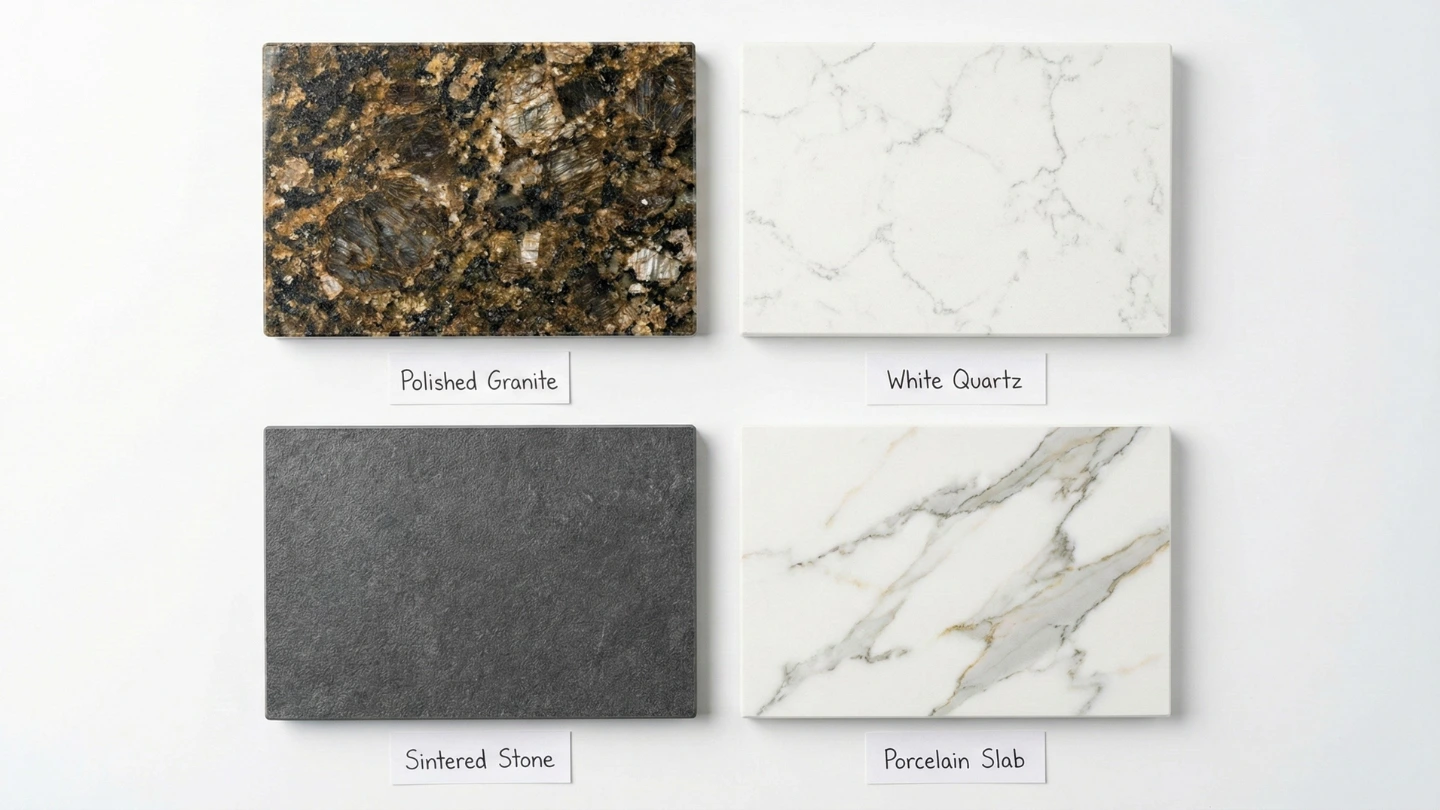
To answer whether granite is still "the best," we need to compare it fairly against the materials that have entered the Malaysian market since granite's heyday.
Granite vs Quartz Stone
This is the comparison most Malaysian homeowners are weighing. Quartz and granite differ fundamentally in composition — granite is 100% natural, whilst quartz is engineered from natural quartz crystals bound with polymer resins.
Where granite wins: Heat resistance (significantly better), natural uniqueness, and often a lower entry price point for standard varieties.
Where quartz wins: Stain resistance (non-porous, no sealing ever needed), colour consistency, design range, and lower lifetime maintenance costs.
For Malaysian kitchens specifically, the heat resistance advantage is meaningful if you do heavy wok cooking. But the stain resistance advantage of quartz is equally meaningful if you cook with turmeric, curry, and acidic ingredients daily. The pros and cons of quartz are worth examining in detail if you're weighing these two materials.
Pricing comparison (supply and install per square foot):
- Standard granite: RM120–400
- Sensa granite with Senguard: RM250–400
- Zenstone quartz: RM110–160
- Caesarstone quartz: RM318–819
- Silestone quartz: RM280–645
At the budget end, granite and quartz overlap significantly. Premium quartz brands like Caesarstone can exceed granite pricing, whilst budget quartz like Zenstone undercuts most granite options.
Granite vs Sintered Stone
Sintered stone (brands like Dekton) is the newer premium contender. Created by subjecting natural minerals to extreme heat and pressure exceeding 1,200°C, sintered stone contains zero resins — making it heat-resistant, scratch-proof, stain-proof, and UV-resistant.
Where granite wins: Natural character, potentially lower pricing for standard varieties, and a proven long-term track record in Malaysian homes.
Where sintered stone wins: Superior scratch resistance, zero porosity (no sealing ever), UV resistance for outdoor kitchens, and consistent performance without any maintenance commitment.
For homeowners considering sintered stone versus quartz, the comparison dynamics shift again — but sintered stone's heat resistance matches granite whilst adding stain resistance that granite can't match without Senguard treatment.
Sintered stone pricing (supply and install per square foot):
- Dekton: RM229–474
Granite vs Porcelain Slab
Porcelain slabs have gained traction as a mid-range alternative offering large-format aesthetics at accessible price points. The question of whether porcelain or granite is better comes down to priorities: natural beauty versus modern convenience.
Where granite wins: Heat resistance (granite handles thermal shock better), natural depth and character, and a wider range of edge profile options.
Where porcelain wins: Zero porosity, no sealing required, lighter weight, and more consistent pricing.
Porcelain slab pricing (supply and install per square foot):
- Countertop-grade porcelain: RM110–150
The Malaysian Kitchen Factor
Countertop performance isn't universal — it depends heavily on how you use your kitchen. Malaysian kitchens face unique challenges that affect material performance differently.
Humidity and Porous Materials
Malaysia's tropical climate brings average humidity of 70–90% year-round. For porous materials like standard granite, this constant moisture in the air can accelerate the breakdown of sealants and increase the risk of moisture-related staining. This makes consistent sealing even more critical — or makes Senguard-protected granite a more practical choice for our climate.
Non-porous materials like quartz, sintered stone, and porcelain are unaffected by humidity, giving them a practical edge in Malaysian conditions.
Cooking Style Matters
Your cooking habits should genuinely influence your countertop choice. Here's a practical breakdown:
Daily wok cooking with high heat: Granite excels here. The ability to place a hot wok directly on the surface without worry is a real advantage. Sintered stone matches this capability, but quartz requires trivets for very hot cookware.
Heavy use of turmeric, curry, and acidic ingredients: Non-porous materials (quartz, sintered stone, porcelain) have the clear advantage. Standard granite requires immediate cleanup and consistent sealing to prevent staining from these common Malaysian ingredients.
Moderate cooking with mixed methods: Most materials perform adequately. Your choice can lean more towards design preference and budget rather than performance demands.
Understanding Total Cost of Ownership
Granite's upfront pricing can be attractive, but total cost of ownership tells a different story. Standard granite requires periodic professional sealing (RM200–500 per session depending on countertop size), and neglecting this maintenance can lead to staining that requires professional restoration or, in severe cases, replacement.
Premium granite with Senguard protection eliminates this ongoing cost, making it comparable to the "set and forget" convenience of quartz or sintered stone.
When comparing kitchen countertop materials comprehensively, factoring in both upfront and long-term costs gives you a more accurate picture.
Common Myths About Granite That Need Correcting
Granite has accumulated its share of myths over the years — some overly positive, others unfairly negative. Let's set the record straight.
Myth: Granite Is Completely Maintenance-Free
This is one of the most damaging misconceptions. Standard granite absolutely requires sealing and ongoing care. Homeowners who install granite expecting zero maintenance end up disappointed when stains appear. Being honest about maintenance requirements upfront prevents frustration later. For more countertop myths debunked, our dedicated guide covers the most common misconceptions across all stone materials.
Myth: Granite Is Outdated
Granite isn't outdated — it's a natural material with timeless appeal. What has changed is that it's no longer the only premium option. Homeowners now have more choices, which is a good thing. Granite remains a perfectly valid, beautiful, and functional choice for the right kitchen.
Myth: All Granite Is the Same
Granite quality varies enormously. Origin, mineral composition, density, and finishing all affect performance. A dense, high-quality granite from a reputable supplier will outperform a lower-grade slab significantly. Always inspect the specific slab you're purchasing and ask about its origin and density rating.
Myth: Granite Always Cracks
Granite is a hard, durable stone. It doesn't crack under normal kitchen use. Cracking typically results from improper installation, inadequate cabinet support, or severe impact. With proper fabrication and installation by experienced professionals, granite countertops are structurally sound for decades.
So, Is Granite Still the Best?
Here's the honest conclusion: granite is still an excellent countertop material, but it's no longer automatically the "best" for every Malaysian kitchen.
Granite remains the best choice if you value natural beauty above all else, cook with extremely high heat daily, and are either willing to maintain regular sealing or invest in Senguard-protected options like Sensa Granite.
However, if your priorities lean towards zero maintenance, superior stain resistance, or design consistency, engineered quartz or sintered stone may serve you better.
Choose Granite If You:
- Love natural stone character and accept that each slab is unique
- Cook with high heat regularly and want to place hot cookware directly on the surface
- Are willing to invest in premium options with Senguard protection, or commit to regular sealing for standard granite
- Want a material with a proven, multi-decade track record in Malaysian homes
- Prefer the organic aesthetic of natural stone over engineered alternatives
Consider Alternatives If You:
- Want a truly zero-maintenance surface with no sealing requirements
- Cook heavily with turmeric, curry, and acidic ingredients and prefer not to worry about immediate cleanup
- Need colour consistency across multiple slabs or a very specific design
- Prefer modern, uniform aesthetics over natural variation
- Want to explore how different materials compare before committing
Making Your Decision
The best countertop isn't the one with the most impressive specification sheet — it's the one that fits your cooking habits, maintenance tolerance, design vision, and budget.
Visit a showroom and see granite alongside quartz, sintered stone, and porcelain. Run your hand across each surface. Ask about real-world maintenance. Look at installed examples in actual Malaysian kitchens, not just polished showroom displays.
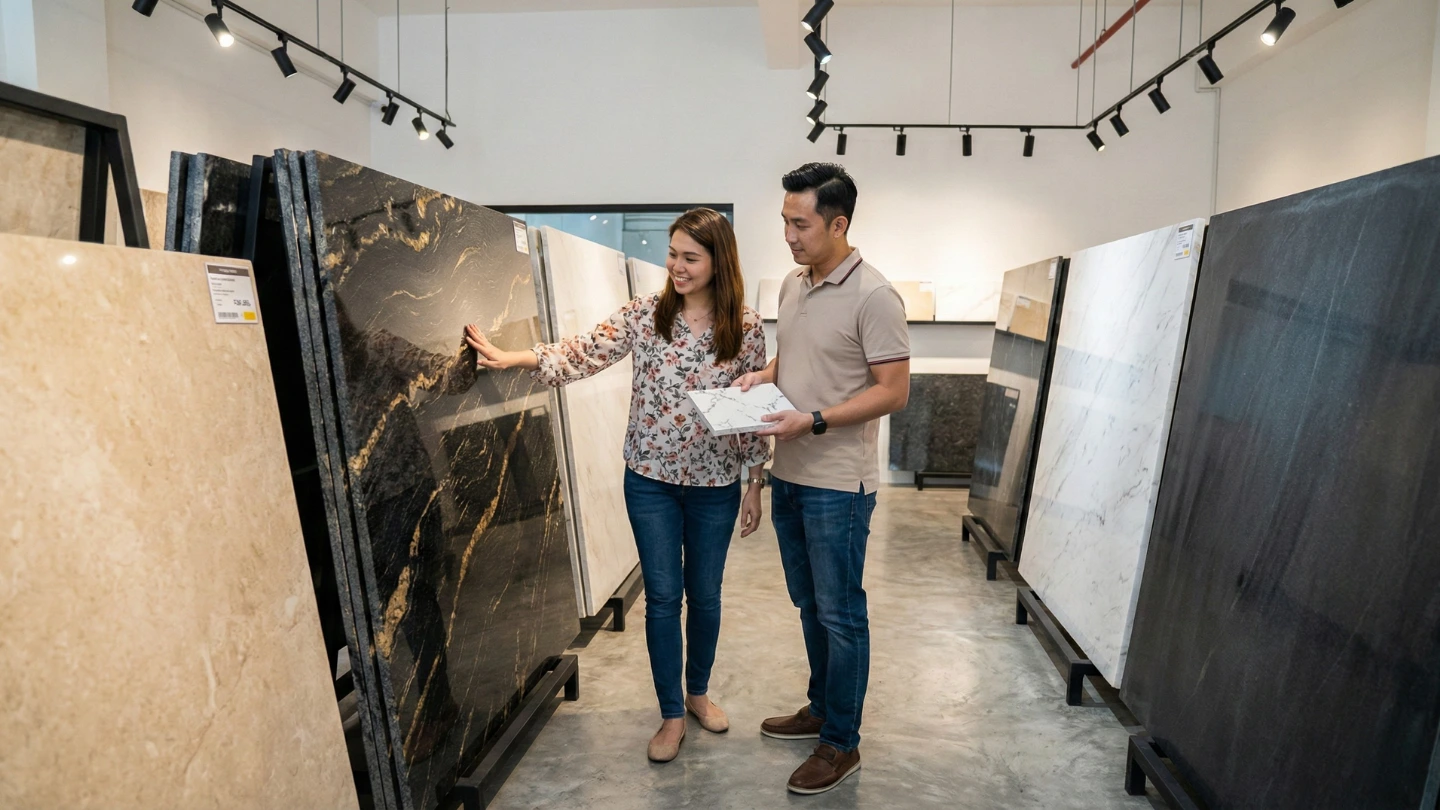
And most importantly, be honest with yourself about how you actually use your kitchen. The countertop that matches your real lifestyle — not your aspirational one — is the right choice.
Granite has earned its place in Malaysian kitchens over decades of proven performance. Whether it earns a place in your kitchen depends entirely on what matters most to you.