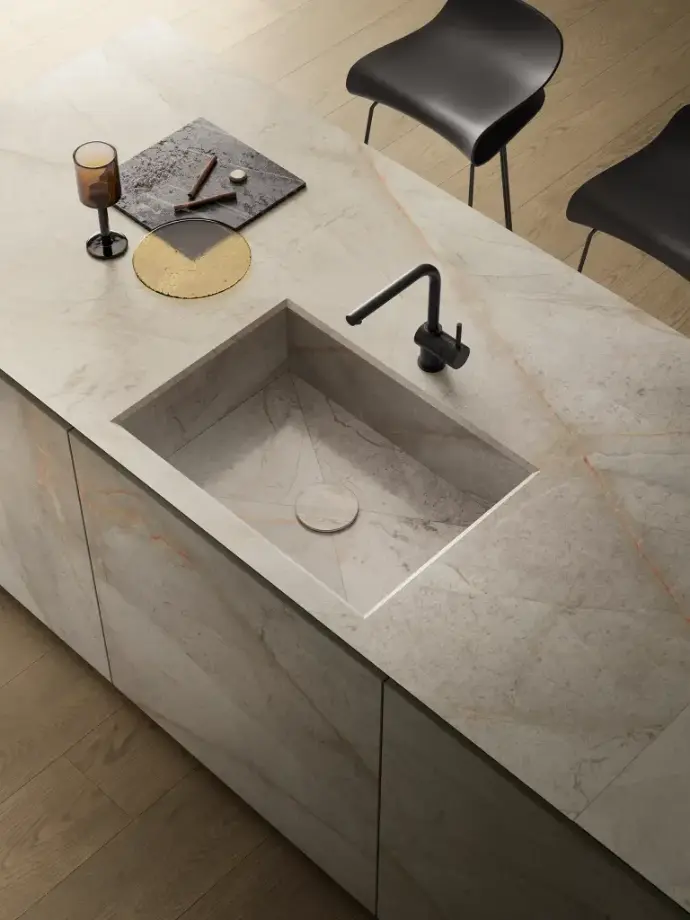
Mould on Your Kitchen Countertop? It’s Not the Stone – Here’s What You Need to Know
You’ve just noticed small black spots around your kitchen sink area. Your heart sinks. Is that mould growing on your expensive quartz or sintered stone countertop? Before you panic, here’s some good news: your stone countertop surface is almost certainly fine. The real culprit? The silicone sealant around it.
This is one of the most common concerns Malaysian homeowners raise, especially given our humid tropical climate. Let’s clear up the confusion and show you exactly what’s happening—and more importantly, how to prevent and fix it.
Why Stone Countertops Don’t Support Mould Growth
Here’s a fact that might surprise you: high-quality stone countertop materials like quartz, sintered stone, and porcelain slabs are inherently resistant to mould growth. Here’s why:
Non-Porous Surface Structure
Engineered stone surfaces such as quartz and sintered stone are manufactured to be non-porous, meaning they don’t absorb moisture. Mould requires three things to grow:
- Moisture
- Organic material (food source)
- Suitable temperature
Since these stone surfaces don’t absorb water or harbour organic matter in their structure, they simply can’t support mould colonies. The surface remains dry and inhospitable to fungal growth.
Hygienic Properties
Many premium quartz brands available in Malaysia, such as Caesarstone and Silestone, feature NSF-51 certification, which means they’re certified for direct food contact. These surfaces are specifically engineered to resist bacterial and fungal growth, making them ideal for kitchen environments where hygiene is paramount.
If you’re passionate about baking or food preparation, understanding these certifications is crucial—learn more about why NSF-51 certified quartz matters for Malaysian kitchens.
The Real Problem: Silicone Sealant Mould
So if your countertop isn’t growing mould, what are those black spots you’re seeing? It’s the silicone sealant, particularly in these common areas:
- Around the kitchen sink (where the countertop meets the sink)
- Along the backsplash junction (where countertop meets wall tiles)
- Around cooktop cutouts
- Near the tap base
Why Silicone Gets Mouldy
Unlike your stone countertop, silicone sealant is:
- Porous enough to trap moisture in microscopic gaps
- Exposed to constant water from sink splashes and cleaning
- Collects organic debris (food particles, soap residue, grease)
- Difficult to clean thoroughly due to its flexible, textured surface
In Malaysia’s humid climate with temperatures consistently between 25-35°C and high humidity levels, these conditions create the perfect environment for mould to thrive on silicone surfaces.
Common Scenarios in Malaysian Kitchens
Scenario 1: The Under-mount Sink Junction
This is the most common problem area. Water splashes from washing dishes, vegetables, and cookware accumulate where the countertop edge meets the sink. The silicone seal in this junction remains damp throughout the day, especially if your kitchen doesn’t have excellent ventilation.
What you’ll see: Black or dark grey spots forming a line along the silicone bead.
Scenario 2: The Backsplash Meeting Point
Where your countertop meets the wall tiles, there’s typically a silicone seal. This area gets wet during cooking (steam, oil splatter) and cleaning, but often doesn’t dry completely.
What you’ll see: Scattered black spots or a continuous dark line along the silicone joint.
Scenario 3: Behind the Tap
The area around your kitchen tap base often has silicone sealing. Water constantly pools here, and it’s one of the hardest areas to dry properly.
What you’ll see: Dark discolouration or black spots around the tap base seal.
How Malaysia’s Climate Affects the Problem
Our tropical climate presents unique challenges:
High Humidity (70-90% year-round)
Malaysian homes naturally have higher ambient moisture levels, which means silicone in your kitchen rarely gets the chance to dry out completely. This is especially true for:
- Flats and apartments with limited cross-ventilation
- Kitchens without windows
- Homes where cooking happens multiple times daily
Frequent Cooking with High Moisture
Malaysian cooking styles—steaming, boiling rice, making soups and curries—generate significant moisture. Combined with our climate, this creates ideal conditions for mould growth on silicone.
Year-Round Warmth
Unlike temperate climates with seasonal variation, our consistent warm temperatures (25-35°C) mean mould can grow year-round without seasonal die-off periods.
Prevention: Keeping Your Silicone Mould-Free
The good news? Preventing mould on silicone sealant is entirely manageable with the right habits.
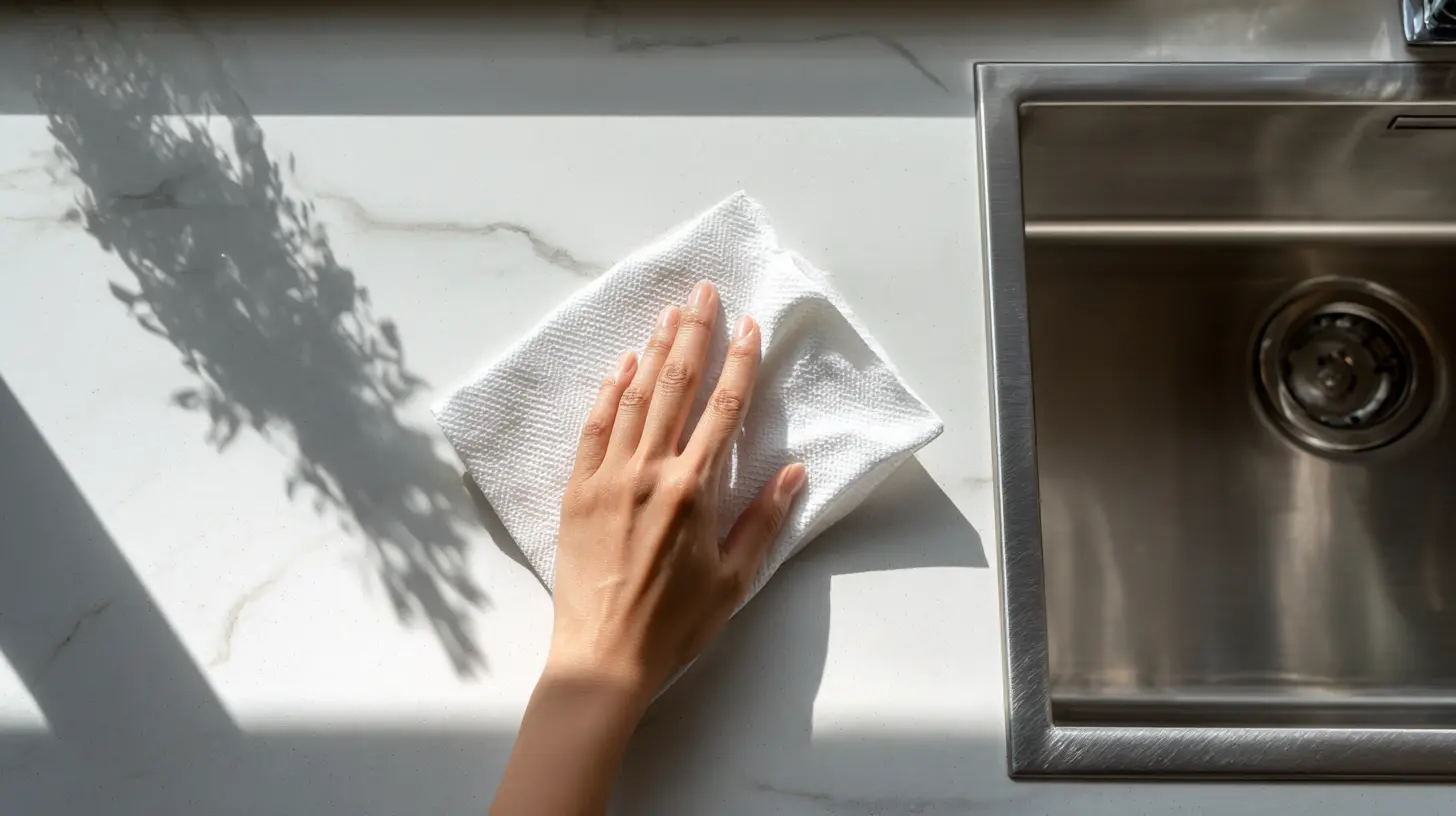
Daily Habits
Wipe Down After Each Use
After washing dishes or preparing food, take 30 seconds to wipe down the silicone areas with a dry cloth. This simple habit removes moisture before mould can establish itself.
Improve Ventilation
- Turn on your kitchen exhaust fan whilst cooking
- Open windows when possible
- Consider a small portable fan in enclosed kitchens
- Run air conditioning or dehumidifiers in particularly humid conditions
Quick Evening Routine
Before bed, do a final wipe-down of silicone areas. Use a dry microfibre cloth to absorb any residual moisture from the day’s activities.
Weekly Maintenance
Thorough Cleaning
Once a week, clean your silicone sealant properly:
- Mix a solution of water with a few drops of dish soap
- Use an old toothbrush to scrub along the silicone joints
- Rinse with clean water
- Dry thoroughly with a clean cloth
Preventive Spray
After cleaning and drying, you can spray the silicone with a diluted vinegar solution (1 part white vinegar to 3 parts water). Vinegar is mildly acidic and creates an inhospitable environment for mould. Let it sit for a few minutes, then wipe dry.
Monthly Deep Clean
Targeted Mould Treatment
If you notice early signs of mould (light discolouration):
- Make a paste of bicarbonate of soda (baking soda) and water
- Apply to affected silicone areas
- Let sit for 15-20 minutes
- Scrub with an old toothbrush
- Rinse and dry thoroughly
For proper maintenance of your entire countertop surface—not just the silicone—follow this comprehensive cleaning guide designed specifically for Malaysian kitchens.
What About Your Actual Countertop Surface?
Whilst we’re focusing on silicone, let’s not forget your actual stone surface. Here’s what you need to know:
Quartz Countertops
Quartz surfaces are non-porous and highly resistant to mould, bacteria, and staining. They require no sealing and maintain their hygienic properties throughout their lifespan. Regular cleaning with mild soap and water is sufficient.
Sintered Stone Countertops
Sintered stone surfaces like Dekton are even more resistant than quartz. Manufactured using extreme heat and pressure, these surfaces are completely non-porous and can resist mould, stains, heat, and scratches. They’re an excellent choice for Malaysian kitchens.
If you’re considering different materials or want to understand which surface is best for your kitchen, compare quartz and sintered stone specifically for Malaysian conditions.
Porcelain Slabs
Large-format porcelain slabs are also non-porous and mould-resistant. Their ceramic composition means they won’t support mould growth on the surface itself.
The key takeaway: All of these materials are mould-resistant by nature. Any mould issues you experience will be on the silicone, not the stone.
When to Replace Your Silicone Sealant
Sometimes prevention isn’t enough, and the silicone needs replacing. Here’s when:
Signs It’s Time for Replacement
- Heavy black mould that won’t clean off despite repeated treatments
- Cracked or peeling silicone that’s lost its seal
- Gaps forming between the countertop and sink/backsplash
- Persistent musty smell even after cleaning
- Water leaking behind or beneath the silicone seal
The Replacement Process
Replacing silicone sealant is relatively straightforward:
- Remove old silicone using a silicone removal tool or sharp blade
- Clean the area thoroughly with rubbing alcohol
- Ensure surfaces are completely dry (wait 24 hours in humid conditions)
- Apply new silicone using a caulking gun
- Smooth the bead immediately with a wet finger or silicone tool
- Allow to cure for 24-48 hours before exposing to water
Professional vs. DIY: Whilst many homeowners can manage this task, professional installation ensures proper adhesion and a neat finish. If you’re unsure, consult your countertop supplier or a qualified installer.
Choosing Better Silicone
When replacing, consider these options:
Mould-Resistant Silicone
Many brands now offer silicone sealants with added antimicrobial agents. These won’t prevent mould entirely, but they significantly slow its growth. Look for products specifically labelled “mould-resistant” or “antimicrobial.”
Quality Matters
Don’t skimp on silicone quality. Premium silicone sealants designed for kitchen and bathroom use offer:
- Better flexibility (won’t crack as easily)
- Improved adhesion
- Enhanced mould resistance
- Longer lifespan (5-10 years vs. 2-3 years for cheap options)
Popular brands available in Malaysian hardware stores include Dow Corning, Bostik, and Soudal.
Sinno Stone’s Recommended Solution
At Sinno Stone, we offer Mildew Proof King, an acrylic-type silicone specifically formulated for Malaysian conditions. This mildew-proof sealant is designed to resist mould growth in humid environments, making it an excellent choice for kitchen countertop installations. Available directly through Sinno Stone for customers who want the best protection for their stone countertop investment.
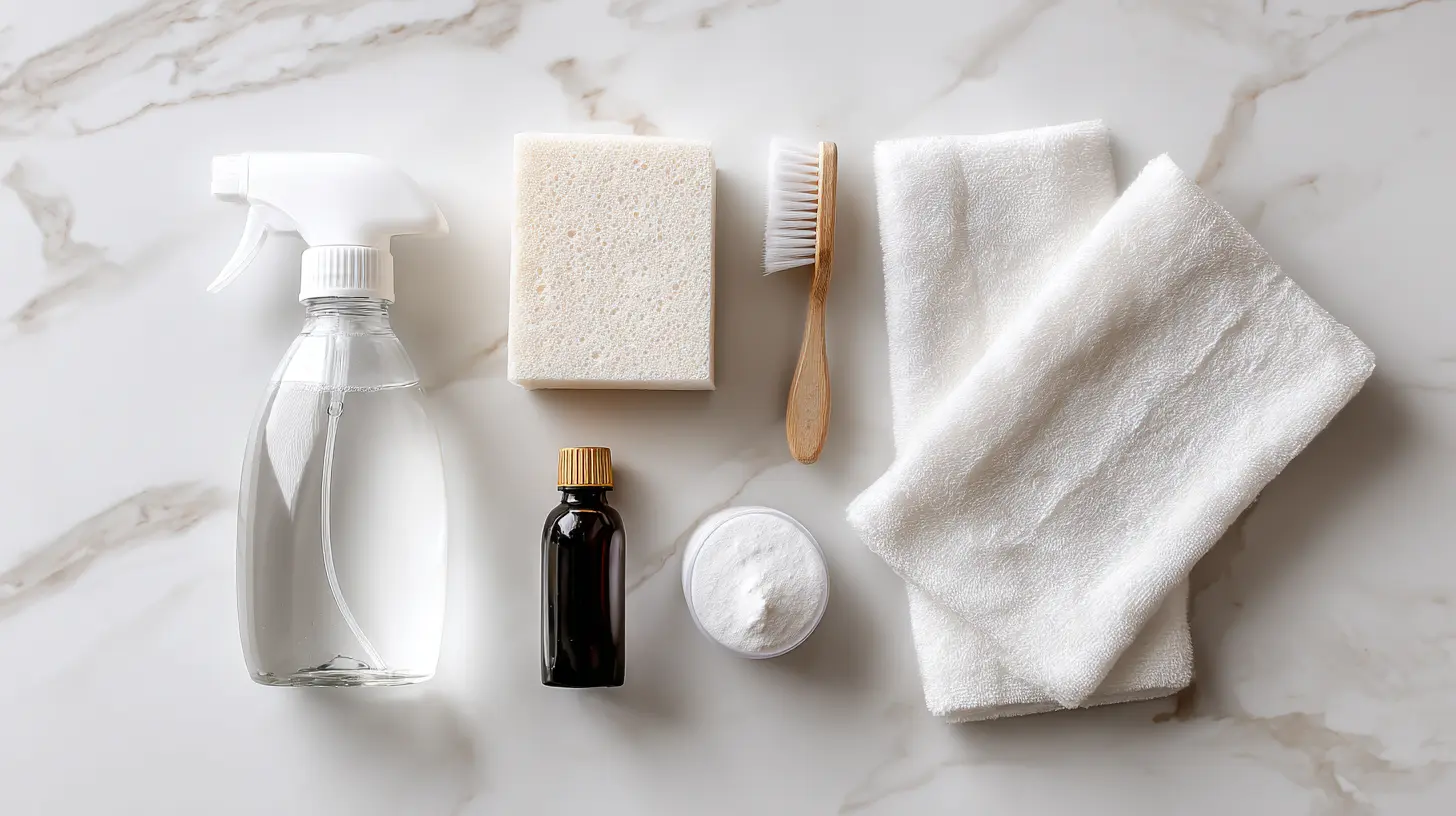
Products and Solutions Available in Malaysia
Here are cleaning and prevention products readily available in Malaysian hardware stores and supermarkets:
For Regular Cleaning
- Mr Muscle Kitchen Cleaner (available at most supermarkets)
- Cif Cream Cleaner (gentle on silicone, removes light mould)
- White vinegar (Tesco, AEON, or any supermarket)
- Bicarbonate of soda/baking soda (baking section of supermarkets)
For Mould Removal
- Clorox Mould & Mildew Remover (ACE Hardware, Mr DIY)
- Magiclean Mould Remover (most supermarkets)
- Exit Mould (ACE Hardware, Home-Fix)
For Silicone Replacement
- Mildew Proof King (available at Sinno Stone - specifically designed for Malaysian humid conditions)
- Dow Corning 789 Silicone Sealant (hardware stores)
- Bostik Kitchen & Bath Silicone (ACE Hardware, Mr DIY)
- Soudal Mould-Resistant Silicone (hardware stores)
Tools You’ll Need
- Old toothbrushes (for scrubbing)
- Microfibre cloths (for drying)
- Silicone removal tool (if replacing)
- Caulking gun (if replacing)
Most of these are available at ACE Hardware, Mr DIY, Home-Fix, or major supermarkets like Tesco, AEON, and Jaya Grocer.
Special Considerations for Different Stone Types
Whilst all premium stone surfaces resist mould, here’s what to know about maintenance for each:
If You Have Quartz
Your quartz surface needs no special sealing or treatment. Focus your mould prevention efforts entirely on the silicone. Never use harsh chemicals directly on quartz as they can dull the finish over time.
Important: Some homeowners wonder if they should seal quartz. Learn whether impregnators or sealers are necessary for quartz surfaces.
If You Have Sintered Stone
Sintered stone is even more resistant to moisture and mould than quartz. You can safely use stronger cleaning products on the stone surface itself (though not necessary), but still focus mould prevention on the silicone joints.
If You Have Porcelain Slabs
Like sintered stone, porcelain slabs are highly resistant. However, pay extra attention to grout lines if your porcelain continues onto the backsplash. Grout can be more porous than the porcelain itself and may harbour mould if not properly sealed.
If You Have Natural Stone
If you have natural granite, marble, or other natural stone surfaces, these can be slightly more porous than engineered options. However, properly sealed natural stone will still resist mould on the surface. The silicone joints remain the primary concern for mould growth.
Common Mistakes Malaysian Homeowners Make
Avoid these common errors:
Mistake 1: Using Bleach Directly on Countertops
Whilst bleach is effective against mould, it can damage certain countertop materials and weaken silicone over time. Always dilute bleach properly and avoid letting it sit on quartz surfaces, as it can cause discolouration.
Mistake 2: Not Drying After Cleaning
Many homeowners clean but don’t dry. In Malaysia’s humid climate, this essentially defeats the purpose. Always dry silicone areas thoroughly after cleaning or exposure to water.
Mistake 3: Ignoring Early Signs
Small spots of mould are much easier to treat than established colonies. Don’t ignore early discolouration—address it immediately with proper cleaning.
Mistake 4: Using Harsh Abrasives
Steel wool or harsh scrubbing pads can damage both your countertop surface and silicone sealant, creating tiny scratches where mould can establish itself more easily.
Mistake 5: Applying Silicone to Damp Surfaces
If you’re replacing silicone, ensure surfaces are completely dry before application. In Malaysia’s humidity, this might mean waiting 24-48 hours, using a fan, or applying on a dry, air-conditioned day.
When Professional Help Is Needed
Consider calling a professional if:
- Mould has spread beyond silicone to other kitchen areas
- You notice water damage beneath the countertop
- The silicone seal has failed completely
- You’re unsure about proper removal and replacement
- Mould returns repeatedly despite your best efforts
Your original countertop supplier or installer can often provide maintenance services or recommend qualified professionals. At Sinno Stone, we provide ongoing support for our customers, including guidance on proper silicone maintenance and access to our Mildew Proof King sealant for optimal long-term protection.
The Bottom Line: Your Countertop Is Fine
Here’s the reassuring truth: your stone countertop isn’t growing mould. The surface you invested in—whether it’s quartz, sintered stone, or porcelain—is performing exactly as designed, resisting moisture and preventing bacterial or fungal growth.
The black spots you’re seeing are almost certainly on the silicone sealant, not the stone itself. This is a maintenance issue, not a defect in your countertop.
With proper care—regular drying, weekly cleaning, and occasional deep cleaning—you can keep your silicone sealant mould-free and your entire kitchen looking pristine, even in Malaysia’s challenging humid climate.
Quick Reference Guide
Daily:
- Wipe down silicone areas after each use
- Keep kitchen well-ventilated whilst cooking
- Final dry-down before bed
Weekly:
- Deep clean silicone with soap and toothbrush
- Vinegar spray treatment
- Thorough drying
Monthly:
- Check for early mould signs
- Bicarbonate of soda treatment if needed
- Inspect silicone seal integrity
Annually:
- Assess whether silicone needs replacement
- Professional inspection if issues persist
Ready to Keep Your Kitchen Mould-Free?
Understanding the difference between your mould-resistant stone countertop and vulnerable silicone sealant is the first step toward a cleaner, healthier kitchen. Armed with this knowledge and a simple maintenance routine, you can confidently keep mould at bay.
Remember: the problem isn’t your investment in quality stone surfaces—it’s just a manageable maintenance matter with the silicone. With the right approach, your kitchen will stay hygienic, beautiful, and mould-free for years to come.
For more tips on maintaining your stone surfaces and making the most of your kitchen investment, explore our comprehensive guide to transforming your kitchen with perfect countertops.