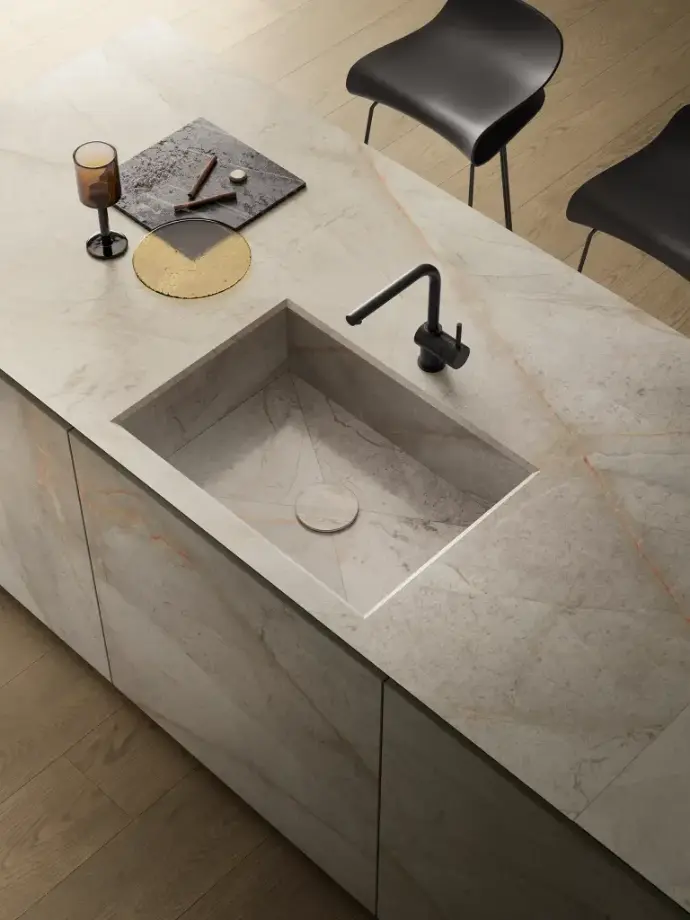
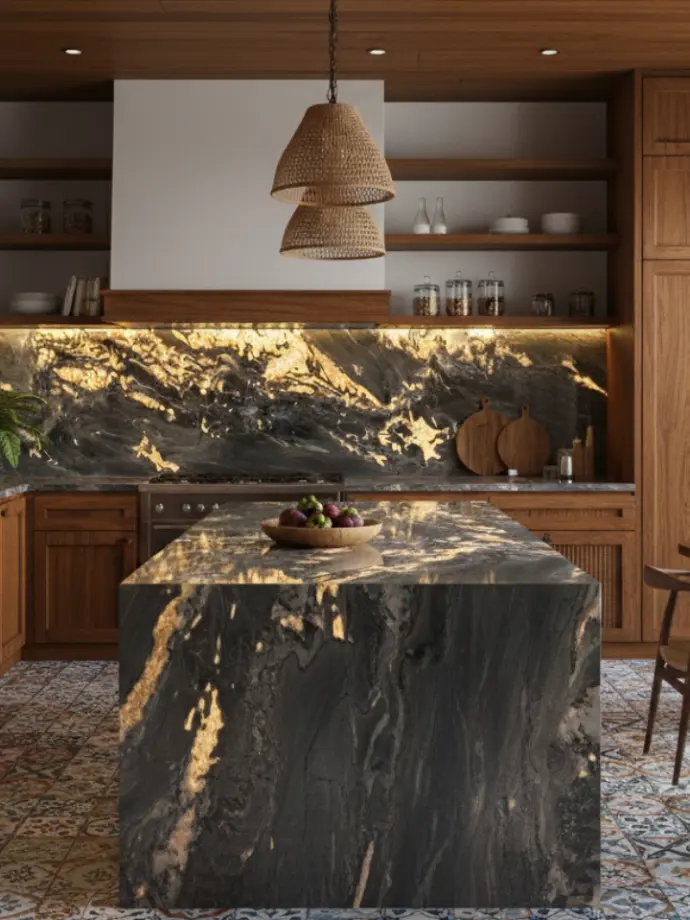
Granite has been a fixture in Malaysian homes for decades. Walk into any older landed home in Petaling Jaya or a heritage terrace house in Penang, and chances are the kitchen countertop is granite. It is familiar, it looks natural, and it is what the previous generation swore by.
Sintered stone is the newer challenger. Made by subjecting raw minerals to extreme heat and pressure, it produces a modern, engineered surface that can handle almost anything a Malaysian kitchen throws at it.
So which one is actually better? The honest answer is: it depends — but for most Malaysian homeowners today, the gap between the two is wider than you might think.
What Is Sintered Stone?
Sintered stone is an engineered surface made by compressing and firing a mixture of natural minerals — including silica, feldspars, glass, and oxides — at temperatures exceeding 1,200°C. The result is an extremely dense, non-porous slab with consistent colour and texture throughout its full thickness.
Brands like Dekton by Cosentino (Spain) and Moca Compact (Malaysia) are amongst the most widely available sintered stone options locally. Prices range from RM 110 per square foot for Moca Compact Regular series, all the way to RM 461 per square foot for premium Dekton Group 4 slabs — supply and install included.
What Is Granite?
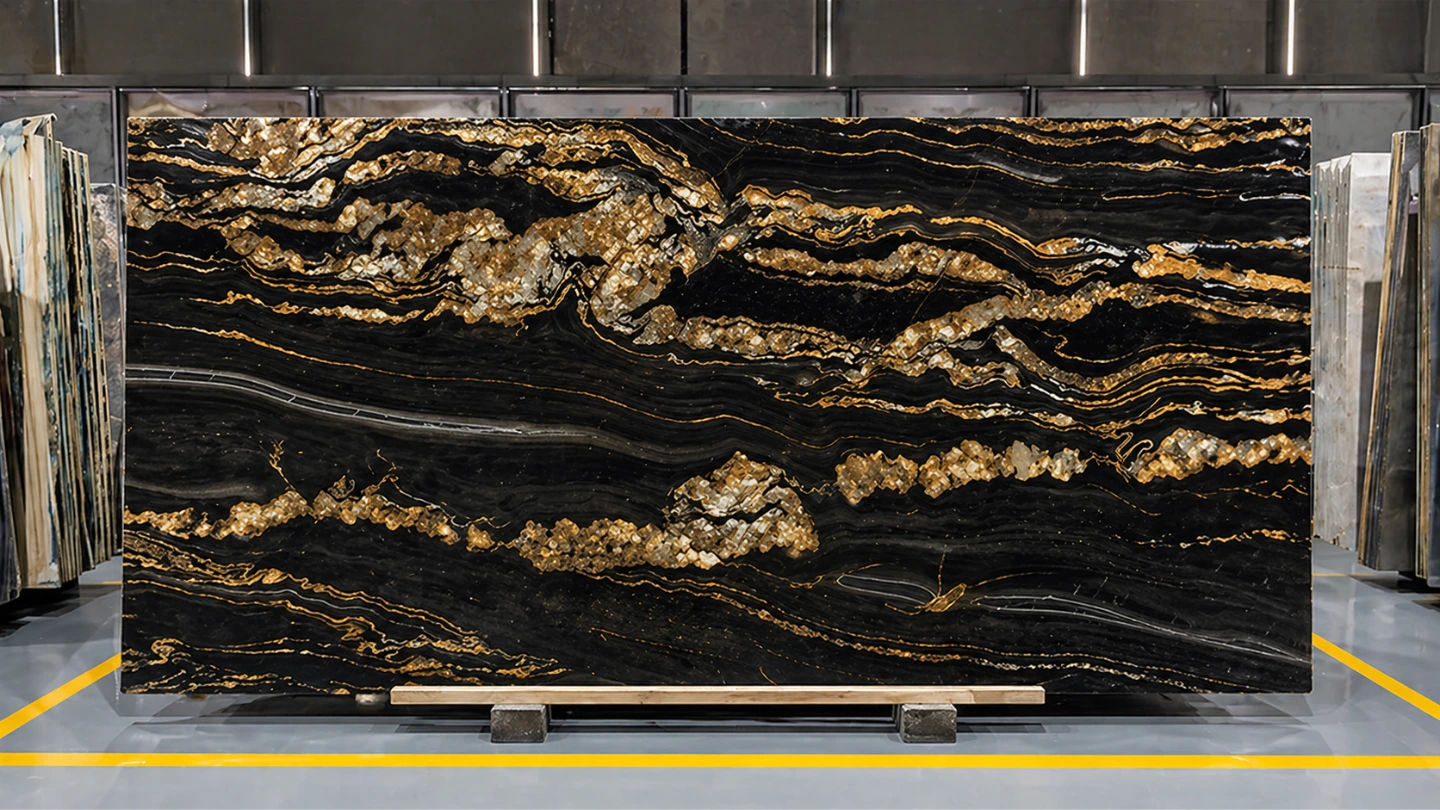
Granite is a 100% natural igneous rock formed deep within the earth over millions of years. No two granite slabs are identical; the natural mineral variations give each slab its own unique pattern of speckles, veins, and colour shifts.
In Malaysia, granite has long been a popular countertop choice — partly due to its availability and partly because of its rugged, natural aesthetic. Premium branded granite, such as Sensa by Cosentino, ranges from RM 349 per square foot for Siberia to RM 780 per square foot for Orinoco, supply and install included.
What sets Sensa apart from regular granite is SenGuard — a proprietary high-performance stain-resistant treatment applied at the factory. It delivers a 15-year warranty against oil, coffee, and acid stains, without requiring the traditional periodic resealing that regular granite demands.
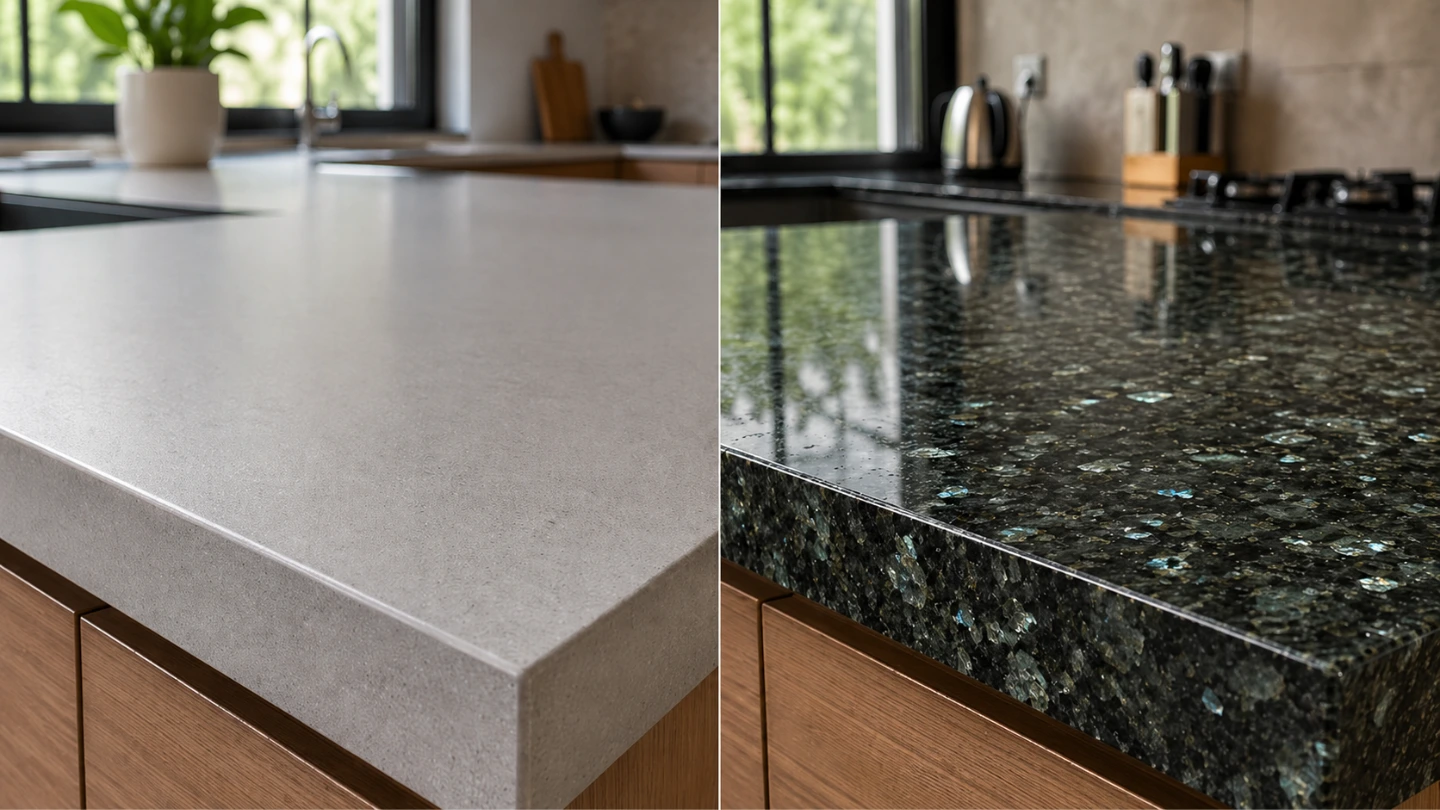
Head-to-Head: The Comparison That Actually Matters
Heat Resistance
Malaysian kitchens are not gentle environments. Wok cooking generates intense, concentrated heat — enough to push any countertop material to its limits.
Sintered stone handles heat exceptionally well. Because it is fired at over 1,200°C during manufacturing, placing a hot wok or pan directly on the surface will not damage it. Sintered stone's heat resistance is one of its clearest advantages over almost every other countertop material.
Granite also tolerates heat reasonably well, being a naturally formed rock. However, thermal shock — a sudden, sharp change in temperature — can cause cracking over time. Repeated exposure to very high, direct heat can dull the sealed finish or trigger hairline fractures, especially in slabs with existing micro-cracks.
Winner: Sintered Stone
Scratch and Impact Resistance
On the Mohs hardness scale, sintered stone typically rates between 7 and 8, whilst granite sits at 6 to 7. In practice, both surfaces resist everyday scratching from knives and kitchen tools — you would have to work hard to visibly scratch either one.
The meaningful difference shows at the edges. Granite, being a natural stone with its own structural inconsistencies, chips more easily at corners and edges — particularly during fabrication or if knocked hard by a heavy pot. Sintered stone, being an engineered and consistently uniform material, handles edge impact slightly better, though it can still crack if struck sharply from below.
Winner: Draw (with a slight edge to sintered stone for edge durability)
Stain Resistance
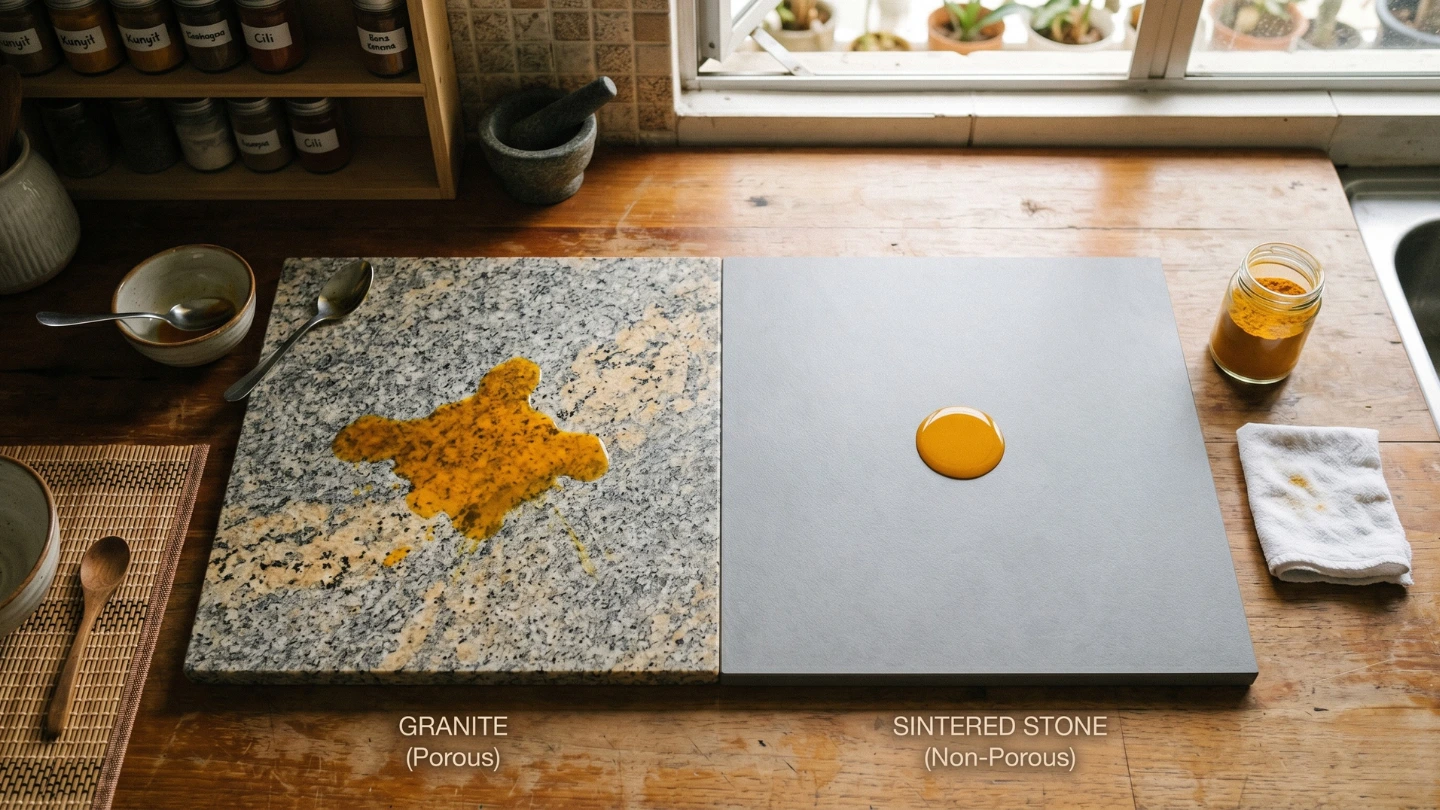
This is where the gap opens up considerably, and it matters enormously for a Malaysian kitchen. Think about what lands on a countertop during a normal week: turmeric, kicap manis, santan, curry paste, and strong kopi.
Granite is a porous natural stone. Without proper sealing, it absorbs liquids — and once a stain has penetrated the surface, it is extremely difficult to remove. Regular granite countertops require professional resealing every one to three years to maintain their stain resistance. Skip that appointment, and a spilled mug of kopi or a turmeric rub can leave a permanent mark.
Sensa granite with SenGuard changes this equation somewhat. The factory-applied treatment provides a 15-year warranty against oil, coffee, and acid stains, removing the need for traditional periodic resealing. For a Malaysian kitchen where those three staining agents appear on the countertop almost daily, that warranty carries real practical weight. That said, SenGuard is a surface coating applied to a naturally porous stone — it is not the same as a material that is fundamentally non-porous from the inside out.
Sintered stone is non-porous by nature. It does not absorb liquids, resists stains without any sealing, and requires no ongoing protective treatment.
Winner: Sintered Stone — but Sensa granite with SenGuard narrows the gap considerably
Maintenance Requirements
Standard granite demands more from you over time. Beyond resealing, granite's micro-pores can harbour bacteria if not properly maintained — a genuine hygiene concern for food preparation surfaces in a hot, humid climate like Malaysia's.
Sensa granite with SenGuard is a different proposition. The factory-applied treatment removes the biggest granite maintenance headache by eliminating the need for periodic resealing. You do still need to clean it properly and avoid harsh abrasive chemicals that could degrade the coating over time — but the day-to-day commitment is far lower than regular granite.
Sintered stone still requires the least of you. No sealing, no specialist stone cleaners, no annual maintenance schedule. A damp cloth handles most spills. Stubborn marks respond to mild household cleaners. For a wet kitchen in Malaysia — where the countertop faces daily, heavy-duty cooking — that simplicity is a genuine advantage.
Winner: Sintered Stone — though Sensa granite with SenGuard is a much more competitive option than regular granite
Appearance and Design Options
Granite offers something no engineered surface can fully replicate: genuine natural variation. Every slab is unique. The organic patterns, the mineral flecks, the subtle tonal shifts — they carry a character that many homeowners find deeply appealing. If authenticity matters to you, granite has a clear emotional advantage.
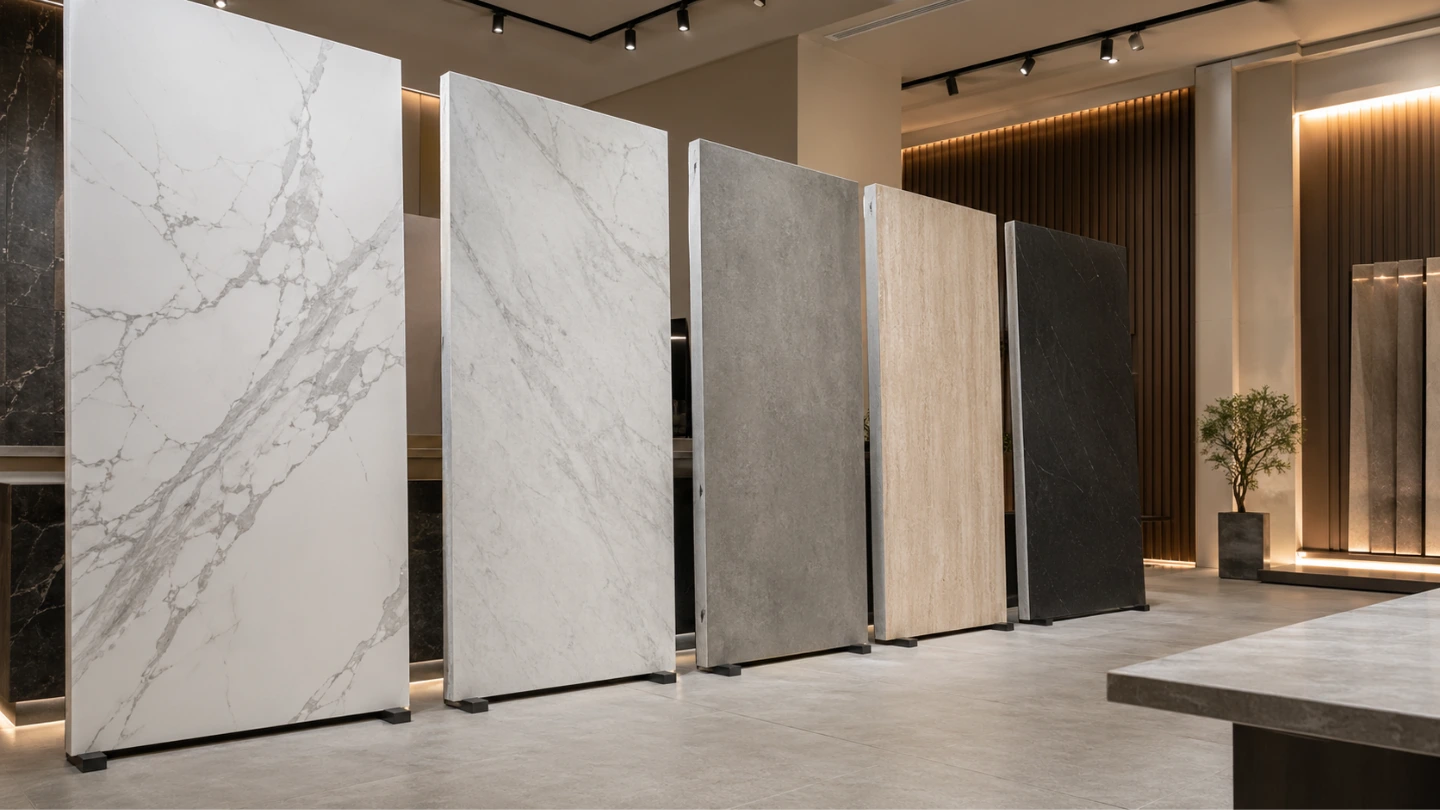
Sintered stone, by contrast, offers extensive variety — marble-look aesthetics, concrete textures, solid colours, and even wood-effect patterns — with consistent, predictable quality across every batch. You can match slabs perfectly across a large kitchen or island surface, something that is genuinely difficult to guarantee with natural granite where colour and pattern variation between slabs is common.
Neither material is objectively superior here. It comes down to personal preference and the overall design direction of your home.
Winner: Personal preference
Price Comparison
Price is often the deciding factor, and the range between materials is wider than most homeowners expect.
Sintered stone — supply and install price:
- Moca Compact Regular series: from RM 110 per square foot
- Moca Compact Leather / Premium: from RM 130 per square foot
- Moca Compact Homogeneous: from RM 150 per square foot
- Dekton Group 0: from RM 240 per square foot
- Dekton Group 2: from RM 351 per square foot
- Dekton Group 4: up to RM 461 per square foot
Granite — Sensa by Cosentino, supply and install price:
- Sensa Siberia: RM 349 per square foot
- Sensa Moak Black: RM 518 per square foot
- Sensa Glacial Blue: RM 622 per square foot
- Sensa Sant Angelo: RM 655 per square foot
- Sensa Orinoco: RM 780 per square foot
At the entry level, sintered stone is significantly more affordable than premium branded granite. Sintered stone also gives you more flexibility across budget levels — you can start at RM 110/sqft and step up in quality incrementally. Branded granite in the premium segment is a substantial investment.
It is worth noting that unbranded, locally-sourced granite is also available in Malaysia at lower price points through hardware suppliers and smaller stone merchants. However, you typically sacrifice quality consistency, guaranteed sealing treatment, and fabrication accountability that comes with branded supply-and-install packages.
Winner: Sintered Stone for overall budget flexibility
Fabrication and Installation
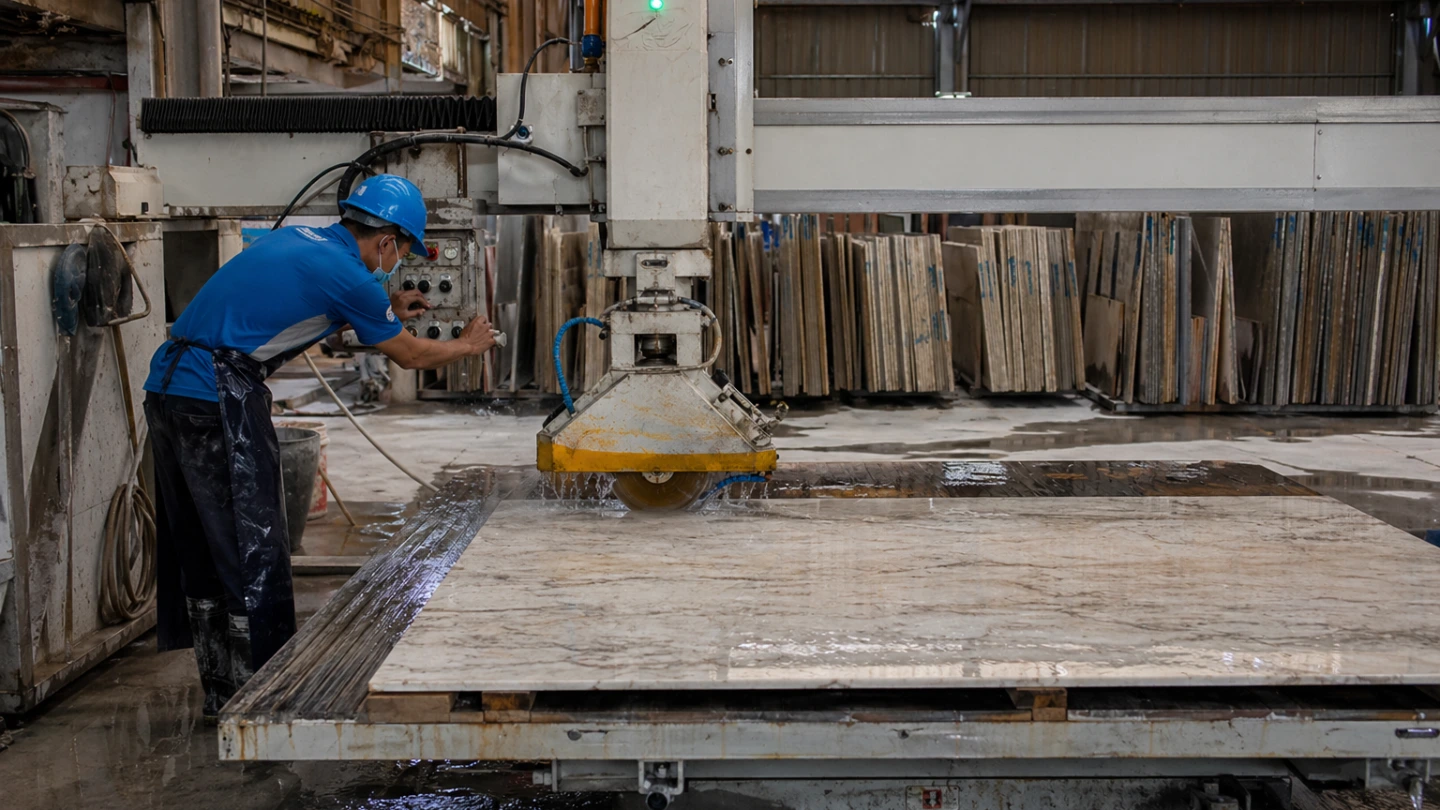
Both materials require professional fabrication. Do not let any tiler convince you otherwise — and do not buy sintered stone from a third party and ask your renovation contractor to handle the installation. Here is a detailed explanation of why that approach almost always creates problems.
Granite is heavy and its natural inconsistencies mean each slab must be carefully templated and handled to avoid cracking during cutting. Sintered stone, especially thinner 12mm slabs, requires fabricators experienced with the material and the right diamond tooling. Both materials demand expertise — the difference is that sintered stone fabrication errors tend to be more costly and harder to recover from.
Winner: Draw (both require proper professional installation)
So Which Is Better for Malaysian Kitchens?
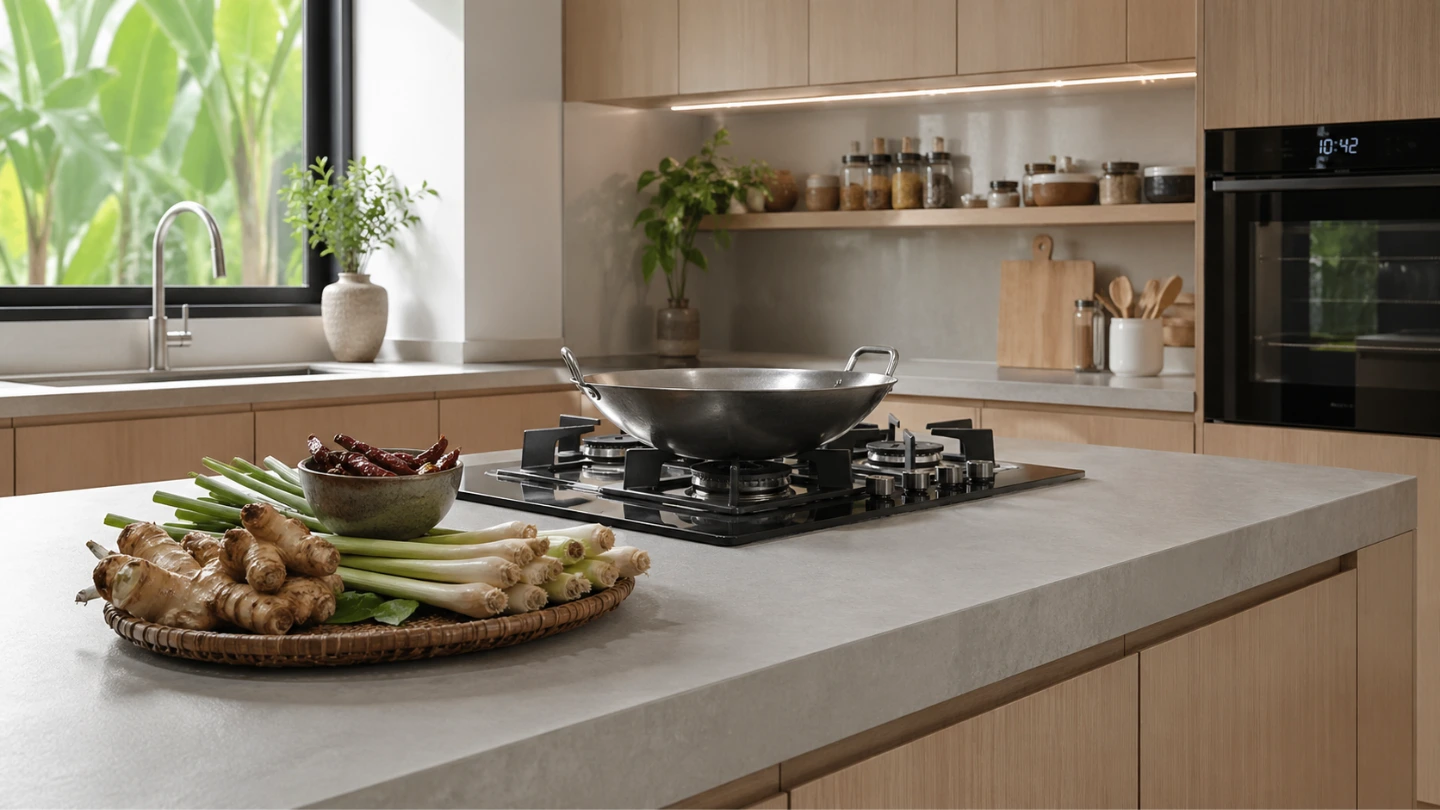
For most Malaysian homeowners today, sintered stone is the stronger practical choice — particularly if your kitchen sees daily wok cooking, frequent spice preparation, or the high-humidity conditions of a wet kitchen.
Here is the full picture:
| Factor | Sintered Stone | Granite |
|---|---|---|
| Heat resistance | Excellent | Good |
| Scratch resistance | Excellent | Very good |
| Stain resistance | Excellent (non-porous) | Good — Sensa SenGuard: 15-yr warranty; regular granite needs sealing |
| Maintenance | Minimal | Low (Sensa SenGuard) / High (regular granite) |
| Design variety | Wide range, consistent | Unique, natural variation |
| Entry price | From RM 110/sqft | From RM 349/sqft (branded) |
| Natural appeal | Engineered | 100% natural |
That said, granite is not a poor choice — particularly Sensa granite with SenGuard. The 15-year stain warranty against oil, coffee, and acid stains addresses the biggest practical objection to granite in a Malaysian kitchen. If you love the look of real, natural stone and want the reassurance of a long-term protective treatment, Sensa is worth serious consideration.
For standard granite without SenGuard, the traditional maintenance burden applies. Most Malaysian homeowners underestimate how much upkeep regular granite requires, and overestimate how often they will actually do it. A countertop that looks great on day one but demands constant attention to stay that way tends to become a source of frustration within a few years.
Conclusion
Granite is a classic for a reason. But sintered stone has earned its place as the more practical, lower-maintenance choice for today's Malaysian kitchen — especially with brands like Moca Compact offering quality sintered stone from RM 110 per square foot.
If you are in the middle of a kitchen renovation, take the time to view both materials side by side in person. The right decision depends on your cooking habits, your design preferences, your budget, and how much time you are realistically prepared to invest in countertop maintenance over the next 20 years.
Still weighing your options across more than just these two materials? Our complete guide to countertop materials in Malaysia covers 14 options and gives you everything you need to make an informed decision before renovation begins.