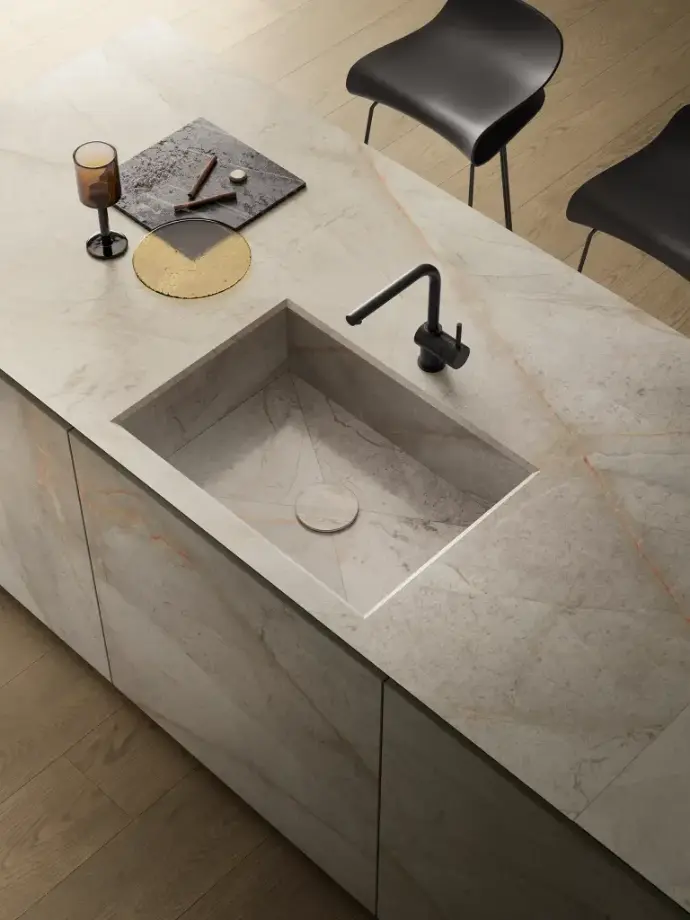
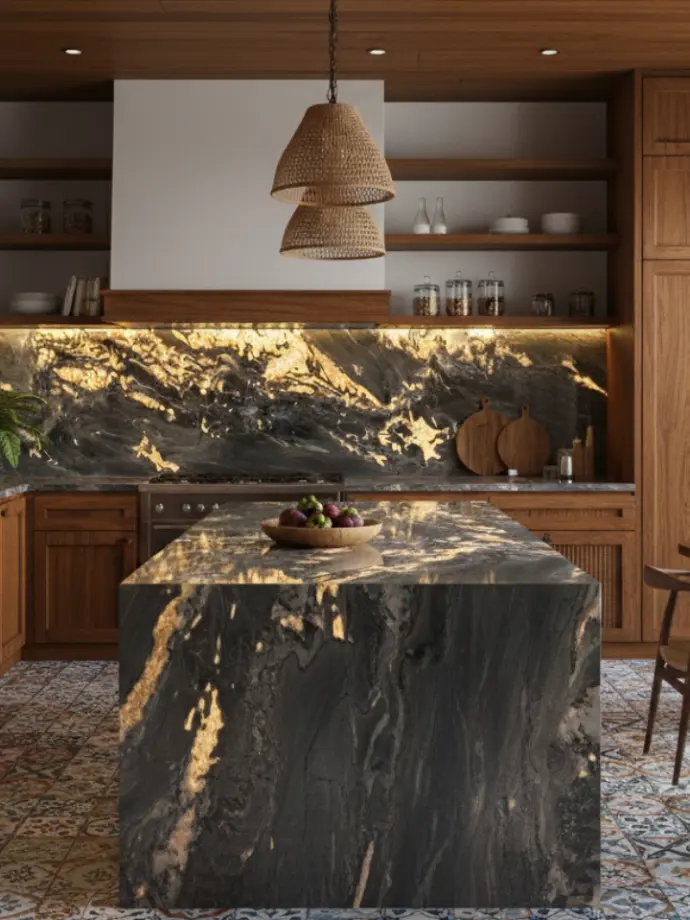
Quartz stone is, without a doubt, one of the most popular countertop materials in Malaysian homes today. It is non-porous, highly durable, and remarkably low maintenance — qualities that make it an excellent fit for busy Malaysian kitchens where wok cooking, spice pounding, and heavy daily use are the norm.
But here is the honest truth: quartz stone is not perfect. Before you commit to it for your kitchen renovation, there are three real disadvantages you should know about.
1. UV Rays Cause Discolouration
Of all the disadvantages of quartz stone, this one catches Malaysian homeowners off guard the most — and for good reason.
Quartz stone is an engineered material. It is composed of approximately 90–93% natural quartz crystals bound together with polymer resins and pigments. Whilst the quartz crystals themselves are extremely stable, the resin binder is not UV-resistant. Understanding what quartz stone is made of helps explain why prolonged sun exposure is so problematic.
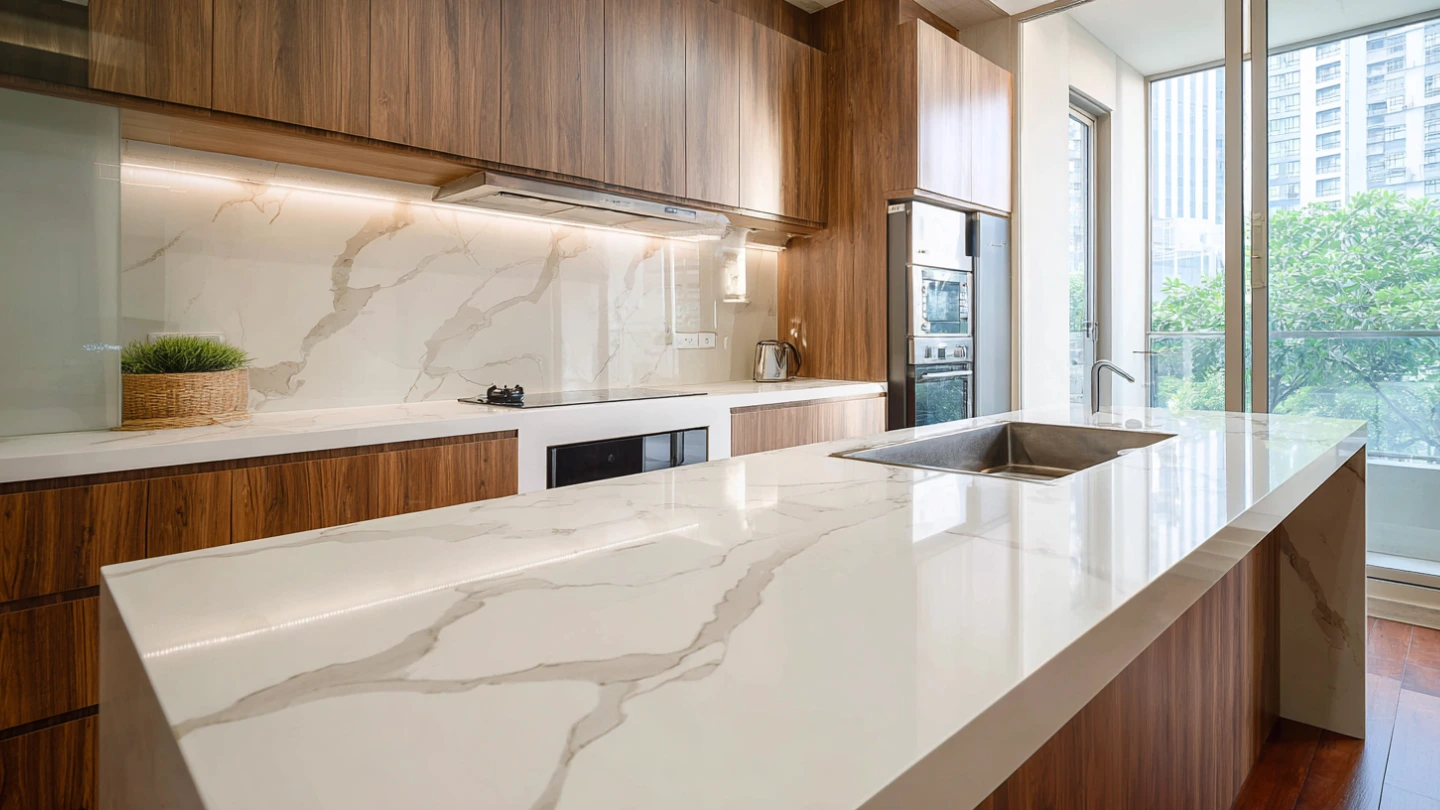
When the resin is exposed to ultraviolet rays over time, it undergoes a chemical reaction that causes the pigment to break down. The result? Your countertop gradually turns yellow or takes on a dull, washed-out appearance.
How Long Does It Take?
Discolouration does not happen overnight. In most cases, homeowners begin to notice the yellowing effect after one to two years of consistent sunlight exposure. The severity depends on:
- How direct and intense the sunlight is
- How many hours per day the countertop is exposed to direct sun
- The colour of the quartz — lighter colours tend to show discolouration more visibly
Particularly Relevant in Malaysia
This is an especially important consideration in the Malaysian context. Our tropical climate means year-round intense sunlight, and many Malaysian homes — particularly those with open-plan kitchens, floor-to-ceiling windows, or kitchen islands positioned near glass sliding doors — are at higher risk.
If your kitchen faces east or west and receives direct morning or afternoon sun, think carefully about where your countertop is positioned relative to your windows.
What You Can Do
- Use blinds or curtains during peak sunlight hours to limit direct UV exposure
- Choose darker quartz colours, which show discolouration far less visibly than white or light grey tones
- Consider sintered stone if your kitchen receives heavy direct sunlight — sintered stone contains no resins and is fully UV-resistant
Important Note
Colour fading from UV exposure does not affect the structural integrity or functionality of the quartz stone. It remains just as durable, hygienic, and non-porous as before. This is purely a cosmetic issue.
2. Colour Preference Is Subjective
Unlike natural stone — granite, marble, or quartzite — which is cut directly from the earth, quartz stone is engineered. Its colours, veining patterns, and textures are created through a manufacturing process using moulds, pigments, and machinery.
This means two things:
- You get consistency — every slab of the same colour and batch looks virtually identical, which is ideal for large kitchen islands or multi-section countertops
- It may feel less "alive" — the veining and patterns, whilst convincing, are manufactured rather than naturally formed
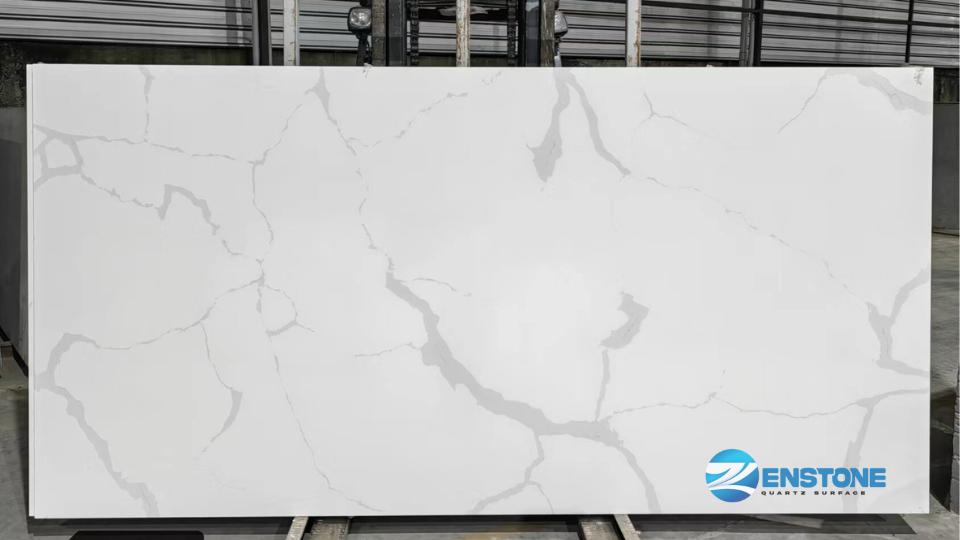
The Natural-Look Dilemma
Today's quartz manufacturers have invested heavily in replicating the look of natural stones like Calacatta marble and Statuario marble. Some results are genuinely impressive. However, achieving a convincing natural appearance requires more complex manufacturing — additional minerals, more processing steps, and advanced machinery.
The trade-off? Naturally-inspired quartz colours tend to be priced higher, reflecting the added complexity involved in producing them. You can also read our honest review of Calacatta Gold quartz to see how different brands compare in replicating that natural marble look.
Is This Really a Disadvantage?
It depends entirely on your personal taste and expectations. If you prefer the consistency and uniformity of engineered colours, quartz delivers beautifully. If you were hoping for the uniqueness and organic character of natural stone, you may find quartz somewhat lacking in personality.
Our advice: visit a showroom and view the slabs in person before deciding. Photographs rarely do justice to the actual appearance of quartz — both the good and the limitations.
3. Not A Do-It-Yourself (DIY) Material
If you are planning to source quartz stone yourself and have it installed by a general tiler or handyman, please read this section carefully.
Quartz stone fabrication and installation is not a DIY project. It is not even a job for a general tiler who does not specialise in stone work. Here is why asking a tiler to install your quartz stone is a decision you are likely to regret.
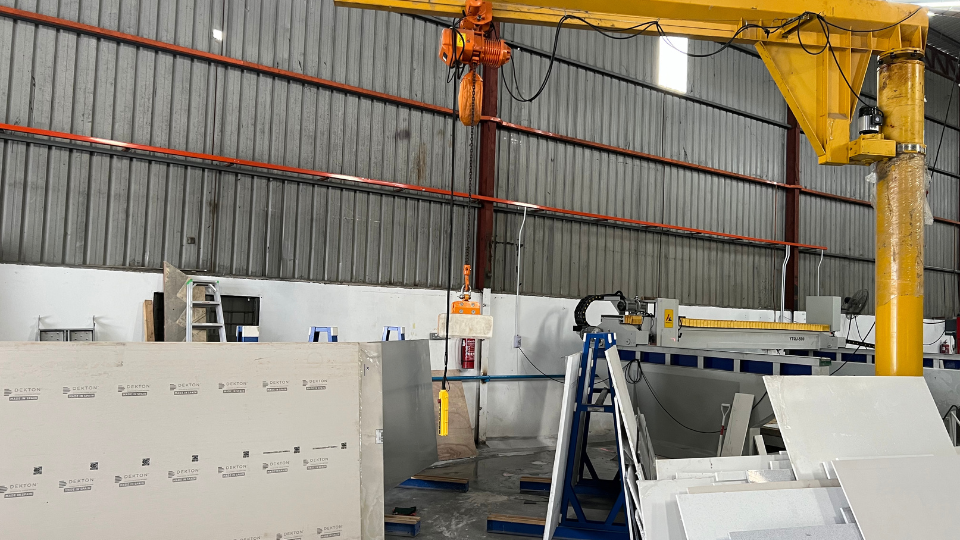
The Weight Problem
A single quartz stone slab weighs approximately 250 kilograms. Moving it safely requires specialised lifting equipment — typically a forklift or an A-frame vacuum lifter. Without proper equipment, the risk of the slab cracking, chipping, or causing injury is significant.
The Fabrication Challenge
Cutting, shaping, and polishing quartz stone requires a full suite of specialised tools that a typical home workshop or general contractor simply does not have:
- Wet-cutting table with diamond blade
- Angle grinder with diamond cutting discs
- Driller with diamond drill bits in multiple diameters for different sink cutouts
- Wet and dry polisher
- Polishing pads with at least 5 different grit levels, from rough to fine
- Adhesive and professional stone epoxy for joins
- Large-format rulers and L-squares for precise templating
Miss any step in this process, and the results show — uneven edges, rough finishes, cracked corners, or poorly fitted joins.
Why Professional Fabrication Matters
A professional stone fabricator brings years of hands-on experience with quartz-specific machinery. The difference between a professionally fabricated countertop and an amateur attempt is visible and permanent. You cannot sand out a bad cut or polish away a crack.
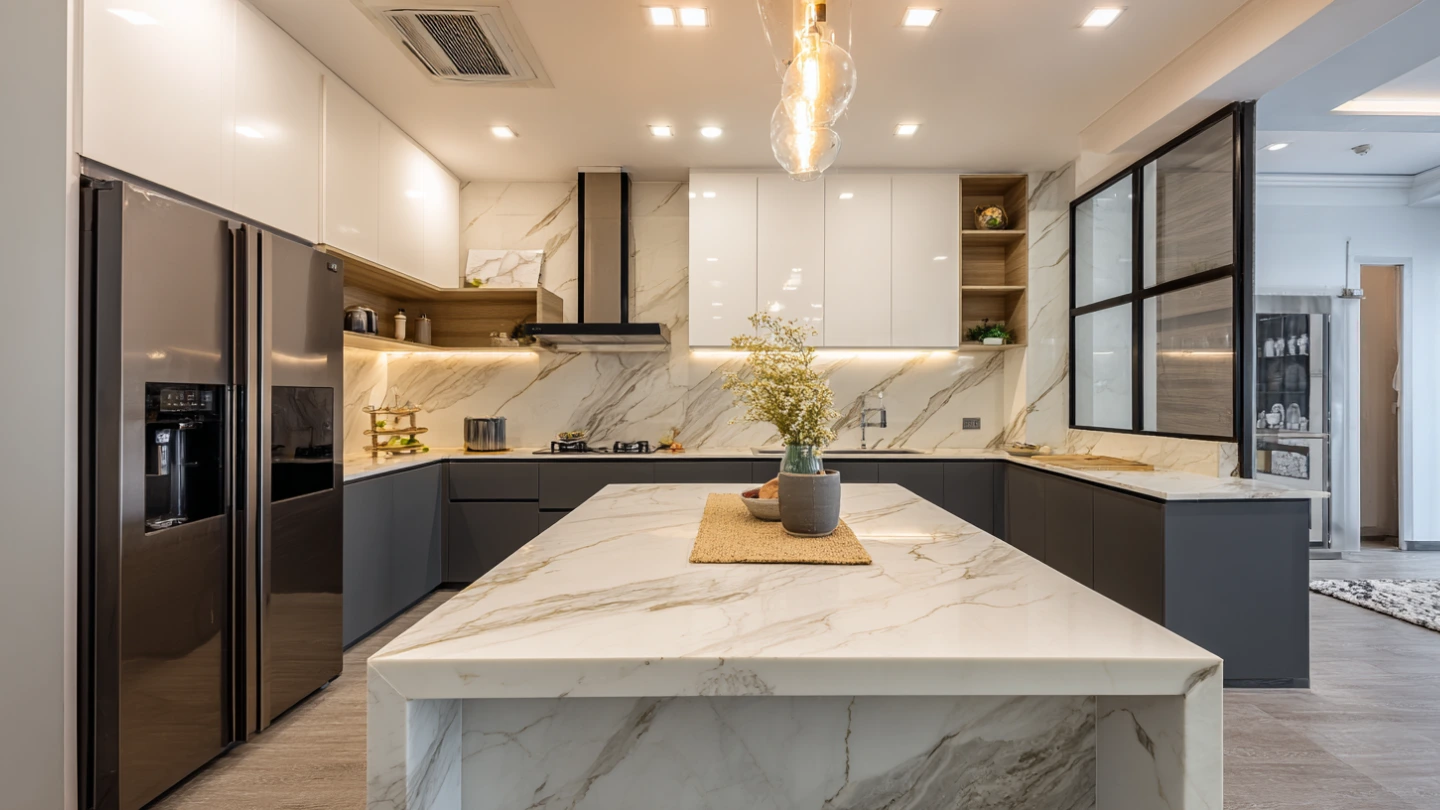
4. Seams Are Unavoidable on Large Countertops
Quartz stone slabs are manufactured in fixed sizes. Once your countertop layout exceeds those dimensions — whether due to a long run of cabinets, an L-shaped kitchen, or a large island — a seam is unavoidable. Unlike paint or tiles, there is no way to stretch a slab.
Slab Sizes Available in Malaysia
Different brands offer different maximum slab sizes in the Malaysian market:
| Brand | Standard Size | Large Format Size |
|---|---|---|
| Caesarstone | 3000mm × 1440mm | 3300mm × 1600mm |
| Zenstone | 3000mm × 1400mm | 3200mm × 1600mm |
| Silestone | — | 3200mm × 1500mm |
In practical terms, this means a kitchen countertop run longer than approximately 3000–3300mm will require at least one seam. The same applies to any worktop wider than the slab's width dimension.
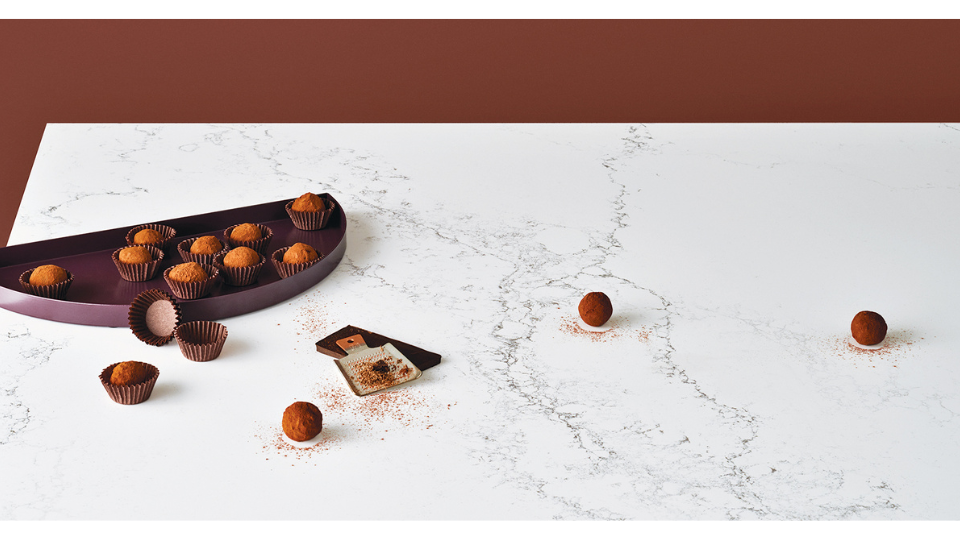
How Visible Are the Seams?
With good fabrication, seams on quartz stone can be made fairly discreet — a professional fabricator will colour-match the epoxy adhesive to the quartz and align the pattern as closely as possible. However, on lighter colours and uniform designs, a seam line is still detectable under certain lighting conditions. On heavily veined natural-look designs, matching the pattern across a seam is even more challenging.
The seam will always be there. Whether it bothers you is a matter of personal tolerance.
How Does This Compare to Solid Surface?
This is where solid surface countertops have a genuine structural advantage. Solid surface — whether acrylic-based or polyester-based — can be thermoformed and adhesive-joined with colour-matched filler, creating seams that are virtually invisible even under close inspection. For very long countertop runs or complex shapes with multiple joins, solid surface achieves a seamless finish that quartz simply cannot match.
If a completely seam-free appearance on a large countertop is a priority for you, this is worth factoring into your material decision.
Conclusion
Quartz stone remains one of the best countertop materials available for Malaysian kitchens — and knowing its limitations only helps you make better decisions about how and where to use it.
To summarise:
- UV rays will cause yellowing if your countertop is exposed to direct sunlight over time — manage this with window treatments or by selecting UV-stable alternatives for sun-prone areas
- Colour preference is personal — quartz offers consistency and a wide range of designs, but if you want the true randomness of natural stone, manage your expectations accordingly
- Professional installation is non-negotiable — do not attempt to cut corners with DIY installation or unqualified tradespeople
- Seams are unavoidable on large countertops — plan your kitchen layout with slab size limits in mind, and discuss seam placement with your fabricator early
If you would like to explore the full picture, including the many reasons why quartz remains an excellent investment despite these limitations, do read our article on why quartz countertops are worth every penny.
Come visit our showroom and speak with our knowledgeable sales advisors. They will walk you through the full range of quartz colours available, help you assess your kitchen layout for sunlight exposure, and ensure your countertop is fabricated and installed to the highest professional standard.