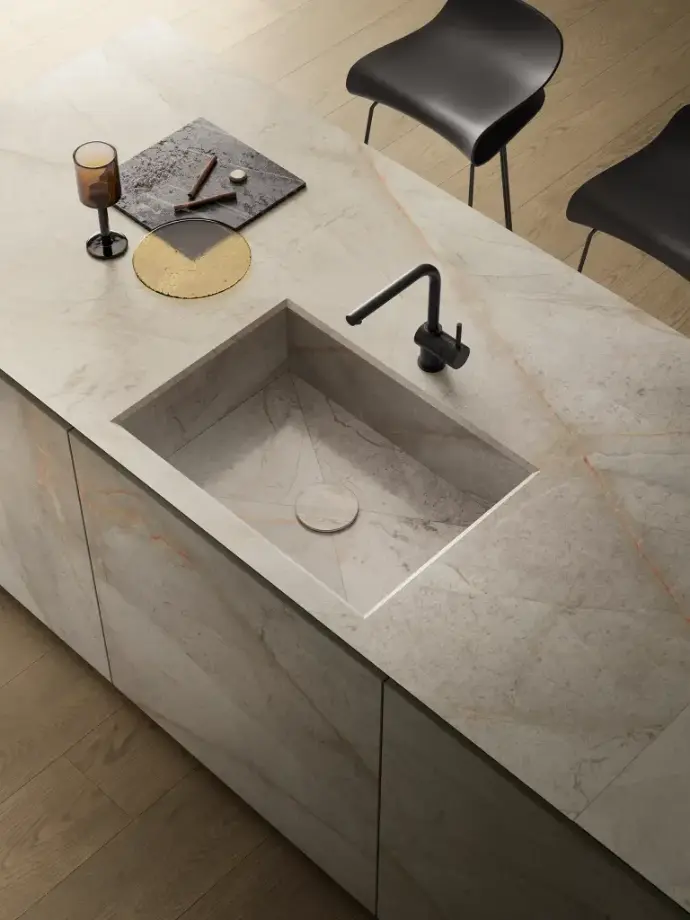
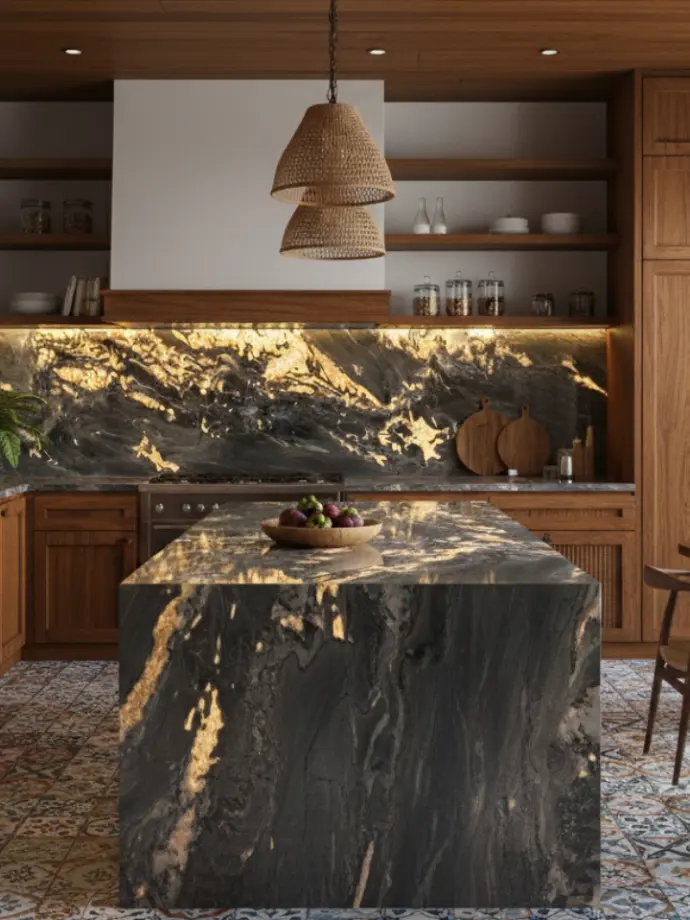
Sintered stone has become one of the most talked-about surface materials in Malaysian home renovation — and for good reason. Whether you are planning a kitchen renovation, a bathroom upgrade, or an outdoor living space, sintered stone is likely to come up in conversation with your designer or contractor.
But what exactly is sintered stone? How is it made? And is it the right choice for your home?
This guide covers everything you need to know — from how sintered stone is manufactured to its real-world performance in Malaysian kitchens and homes.
What Is Sintered Stone?
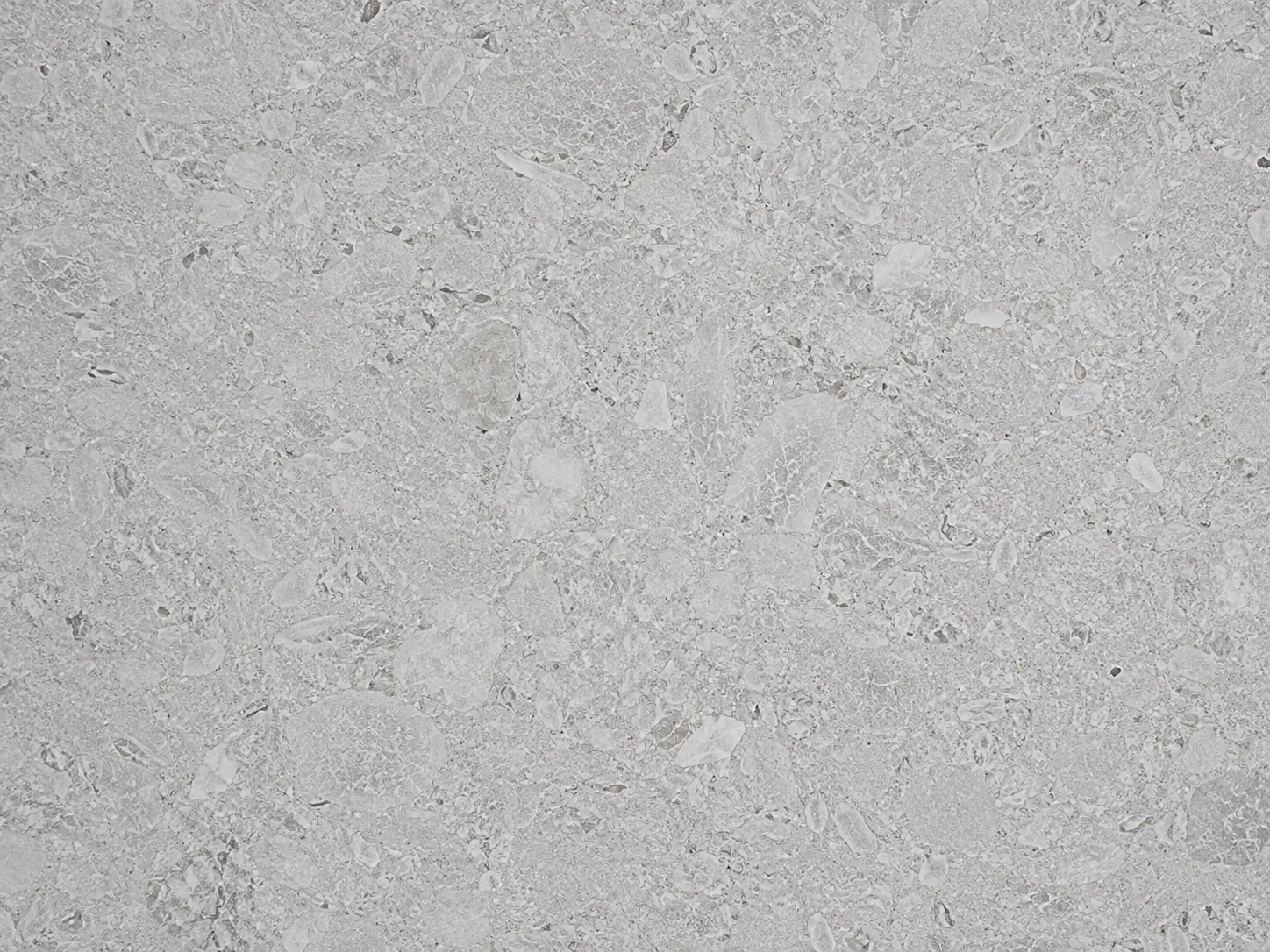
Sintered stone is one of the latest innovations in engineered stone, also known as porcelain slab, pressure stone, compact stone, and ultra-compact surface. All these names refer to the same broad category of material.
It is produced through a process called sintering — a manufacturing technique that mimics the natural geological formation of rocks such as granite, marble, and quartzite, but in a significantly shorter time and with far greater control over the final product.
During sintering, natural raw materials such as silica, clay, feldspar, and mineral pigments are subjected to extremely high temperatures and intense compression pressure, causing the particles to fuse together permanently without the need for any binding agent. The result is a dense, ultra-compact material with almost zero porosity.
This is one of the key distinctions between sintered stone and quartz stone: quartz stone uses resins to bind its minerals together, whilst sintered stone contains no resin whatsoever.
To understand the full science behind the sintering process, read our article on The Science Behind Sintered Stone.
Sintered Stone vs Porcelain Slab — What Is the Difference?
Many Malaysian homeowners ask: are sintered stone and porcelain slab the same thing? The short answer is no — but the differences are subtle enough to cause genuine confusion.
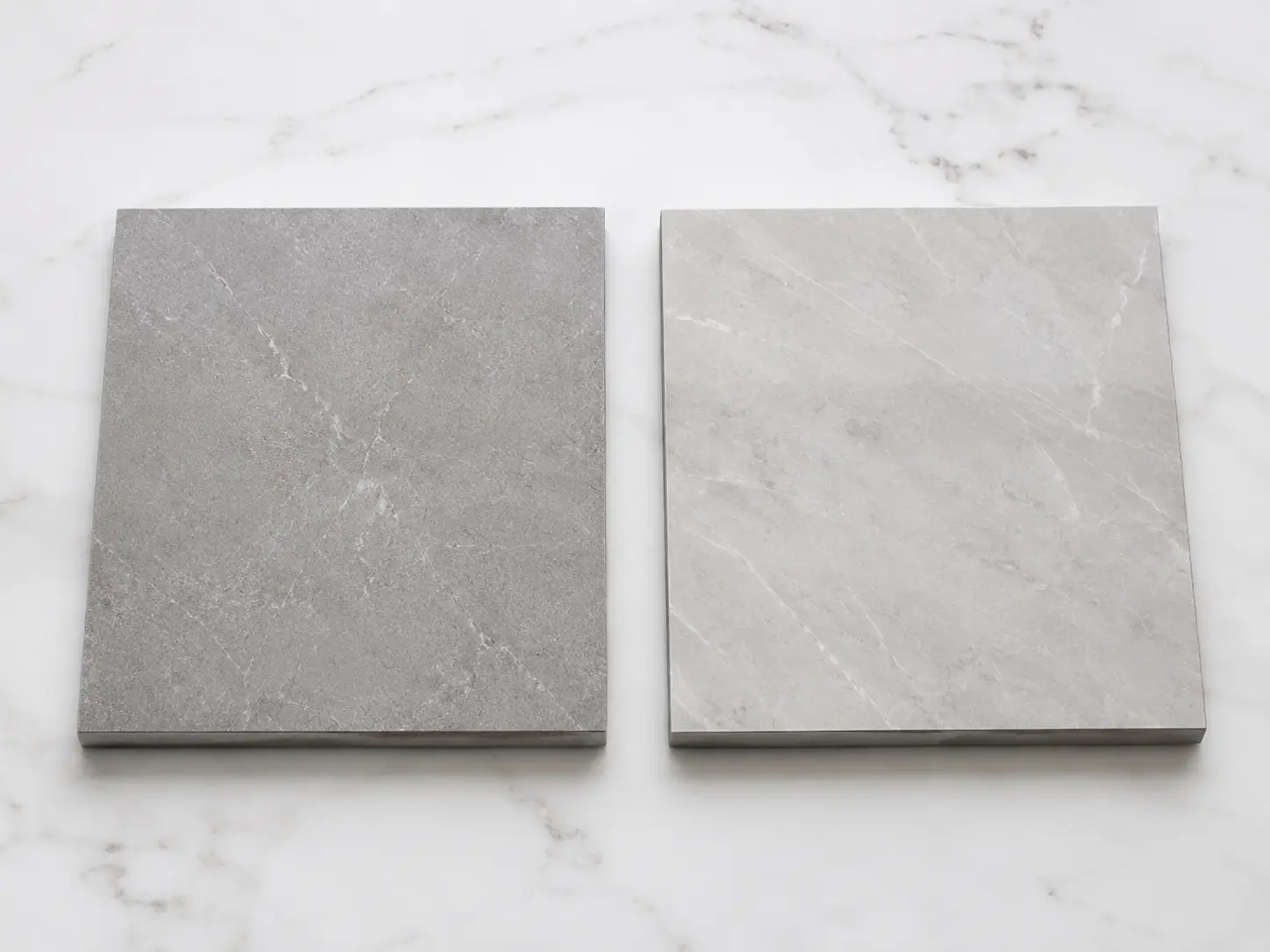
Global manufacturers classify their products differently. Brands such as Neolith, Atlas Plan, and Infinity label their products as porcelain slabs, whilst Dekton by Cosentino (Spain) positions itself as a sintered stone and ultra-compact surface. Here is how they differ technically:
Material Composition
Porcelain slabs typically contain a higher proportion of glass in their composition compared to sintered stone, which relies more heavily on clay, feldspar, and silica.
Compression Pressure
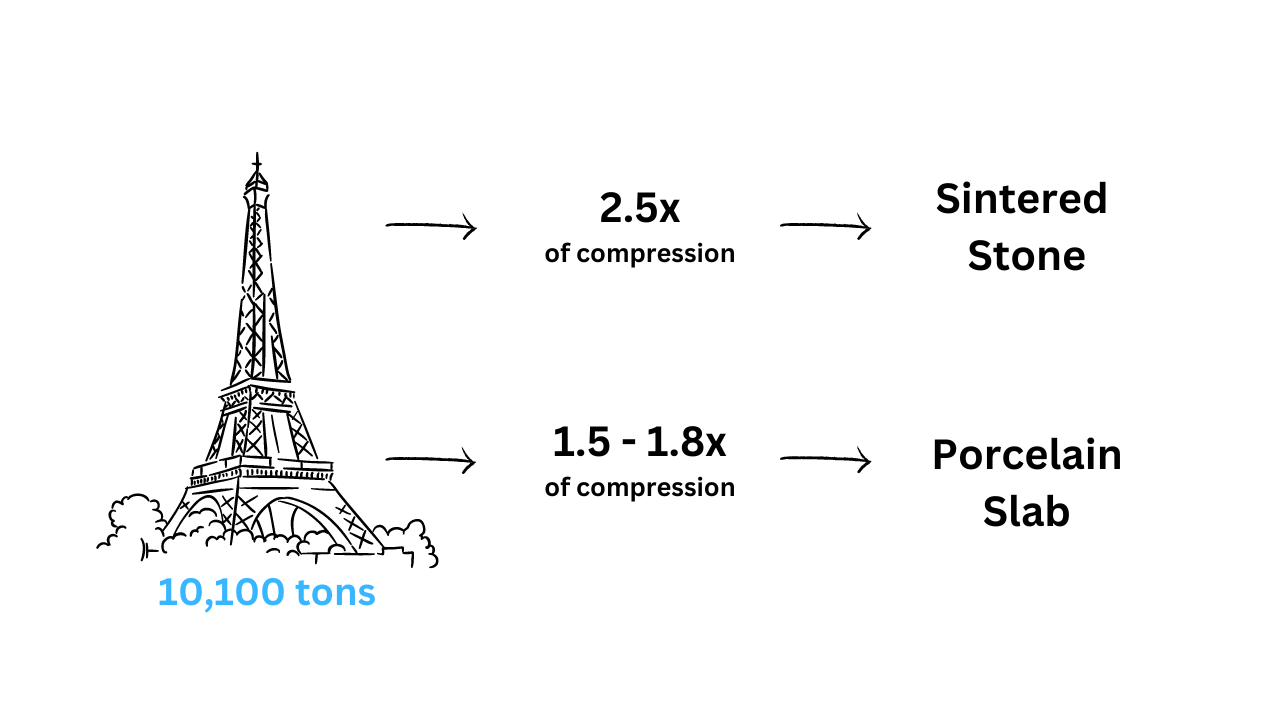
The compression used during manufacturing differs significantly. For reference, the Eiffel Tower in Paris weighs approximately 10,100 tonnes. Sintered stone is compressed at 25,000 tonnes, whilst porcelain slabs are compressed at between 15,000 and 18,000 tonnes. This higher compression gives sintered stone its characteristic density and strength.
Firing Temperature
Sintered stone is fired at approximately 1,200°C, whilst porcelain slabs are fired at a lower range of 800–1,000°C. The higher firing temperature contributes to sintered stone's superior heat resistance and durability.
In Malaysia's Market
In Malaysia, Dekton and Neolith are classified as sintered stone, whilst compact stone and pressure stone products are generally classified as porcelain slab.
For a more detailed breakdown, read Are Sintered Stone and Porcelain Slab the Same?
The Features of Sintered Stone
Sintered stone has many impressive qualities that make it a compelling choice for both indoor and outdoor applications in Malaysian homes.
1. Non-Porous Surface
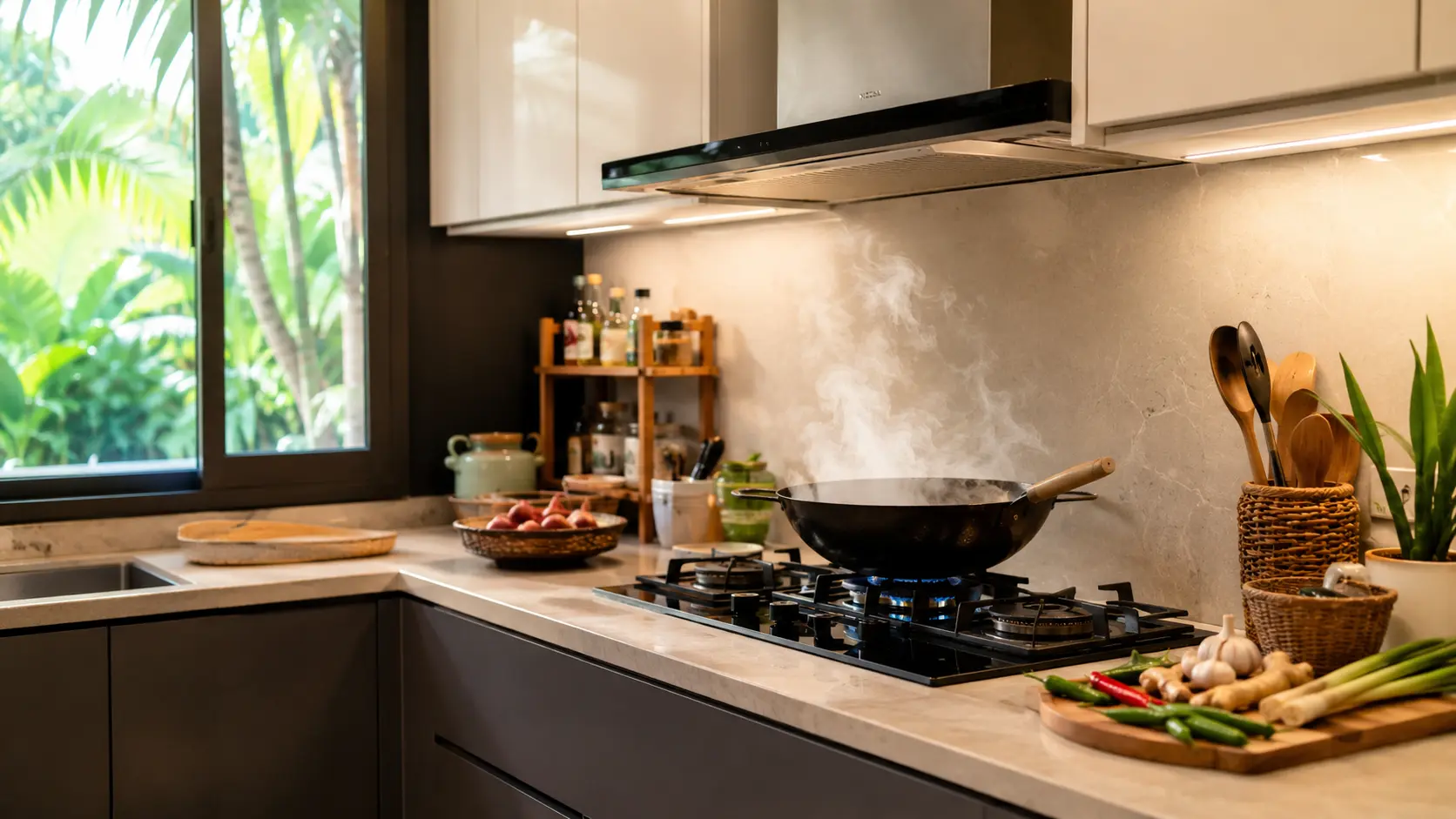
Sintered stone does not absorb water, making it naturally resistant to stains, mould, bacteria, and odours. This is particularly relevant in Malaysian kitchens, where high humidity and heavy cooking are the norm. Spills from turmeric, curry paste, and soy sauce wipe away effortlessly with just water and a mild detergent.
2. Exceptional Heat Resistance
Sintered stone can withstand sustained heat of up to 300°C — the highest heat resistance among commonly used countertop materials. This makes it well-suited for Malaysian households that cook with a wok over a high gas flame. For more detail, read Can You Put a Hot Pan on a Sintered Stone Countertop?
3. Weather and UV Resistance
Sintered stone withstands Malaysia's intense tropical heat, UV radiation, and heavy rainfall without cracking, fading, or warping. This makes it an excellent choice for outdoor applications such as garden countertops, facade cladding, and al fresco dining areas — spaces where other materials often deteriorate quickly.
4. Scratch Resistance
Sintered stone scores 8 on the Mohs Hardness Scale, placing it amongst the hardest surface materials available for home use. It resists scratches from kitchen knives, utensils, and abrasive objects with ease during everyday use.
5. Chemical Resistance
Sintered stone does not react to acids, alkalis, solvents, or common cleaning products. It handles spills of wine, coffee, lemon juice, bleach, and acetone without sustaining damage — making it exceptionally low-maintenance in daily use.
6. Eco-Friendly
Sintered stone is made primarily from natural and recycled materials and does not emit harmful substances or volatile organic compounds (VOCs). Its manufacturing process also uses significantly less energy and water compared to some other engineered materials, making it a more environmentally responsible choice.
The Drawbacks of Sintered Stone
No material is without its limitations. Here is what you should know before committing to sintered stone for your Malaysian home. For a deeper dive, read our article on What Are the Disadvantages of Sintered Stone?
1. Higher Upfront Cost
Sintered stone is more expensive than common surface materials such as laminate, melamine, or solid surface. Premium imported brands such as Dekton (Spain) carry a significant price premium due to import costs and the complexity of the manufacturing process.
2. Heavy and Demanding to Install
Sintered stone is extremely dense, making it heavy and challenging to handle. It requires professional installers with specialist tools and experience, as well as adequate structural support for the cabinetry beneath. It is not a material suitable for DIY installation.
3. Vulnerable to Impact Damage
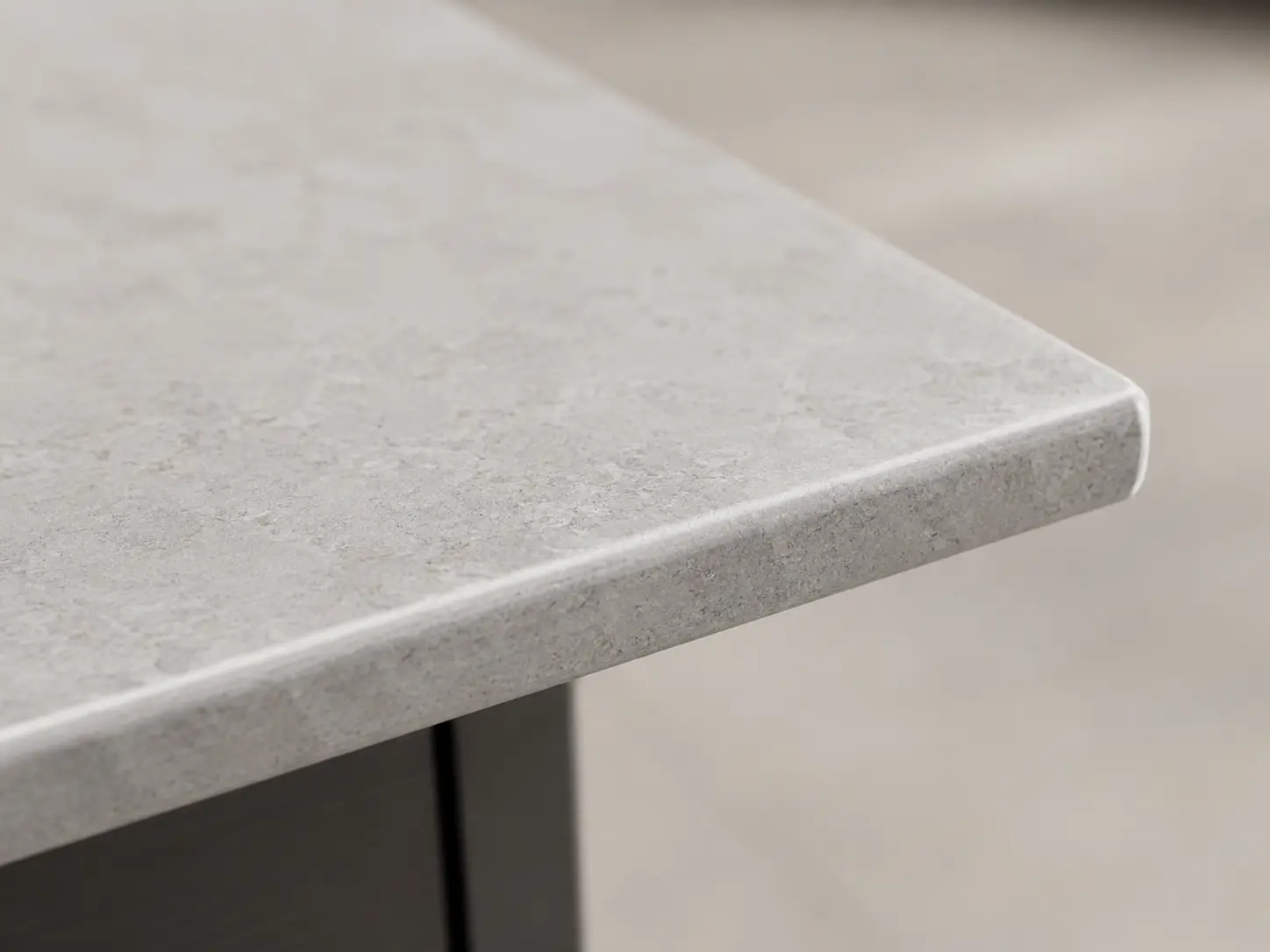
Whilst sintered stone is highly scratch-resistant, it can chip or crack if struck with significant force — particularly at the edges and corners. If the countertop surface is not properly levelled during installation, it becomes even more susceptible to stress fractures over time.
4. Costly and Difficult to Repair
If sintered stone chips or cracks, repairs are often costly and difficult to execute invisibly. In many cases, a damaged section may need to be replaced entirely rather than repaired, which adds to the long-term cost of ownership.
5. Surface Pattern Does Not Run Through the Slab
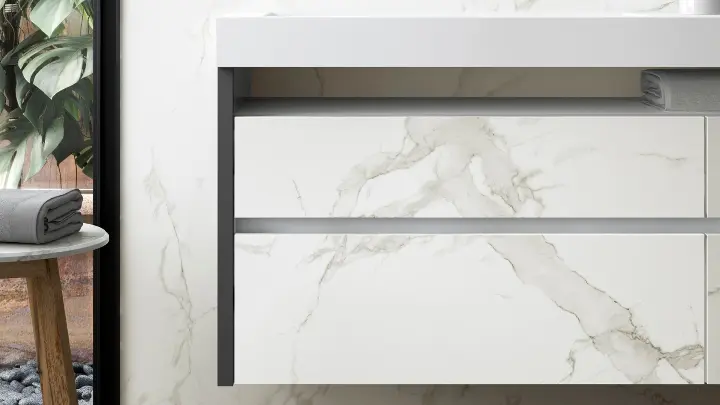
Sintered stone can feature beautiful veining, patterns, and textures on its surface. However, these designs are printed onto the surface and do not extend through the full thickness of the slab. If a slab chips or a visible cut is made, the underlying layer may not match the surface design.
Sintered Stone Colours and Finishes
One of sintered stone's greatest strengths is its design versatility. It can be manufactured in a vast range of colours, textures, patterns, and finishes — from natural stone looks such as marble, quartzite, and slate, to contemporary options such as concrete, wood grain, solid metallics, and artistic custom prints.
With advanced large-format printing technology, virtually any design can be reproduced at scale. This makes sintered stone a favourite amongst Malaysian interior designers looking for a highly customisable surface that still performs like engineered stone.
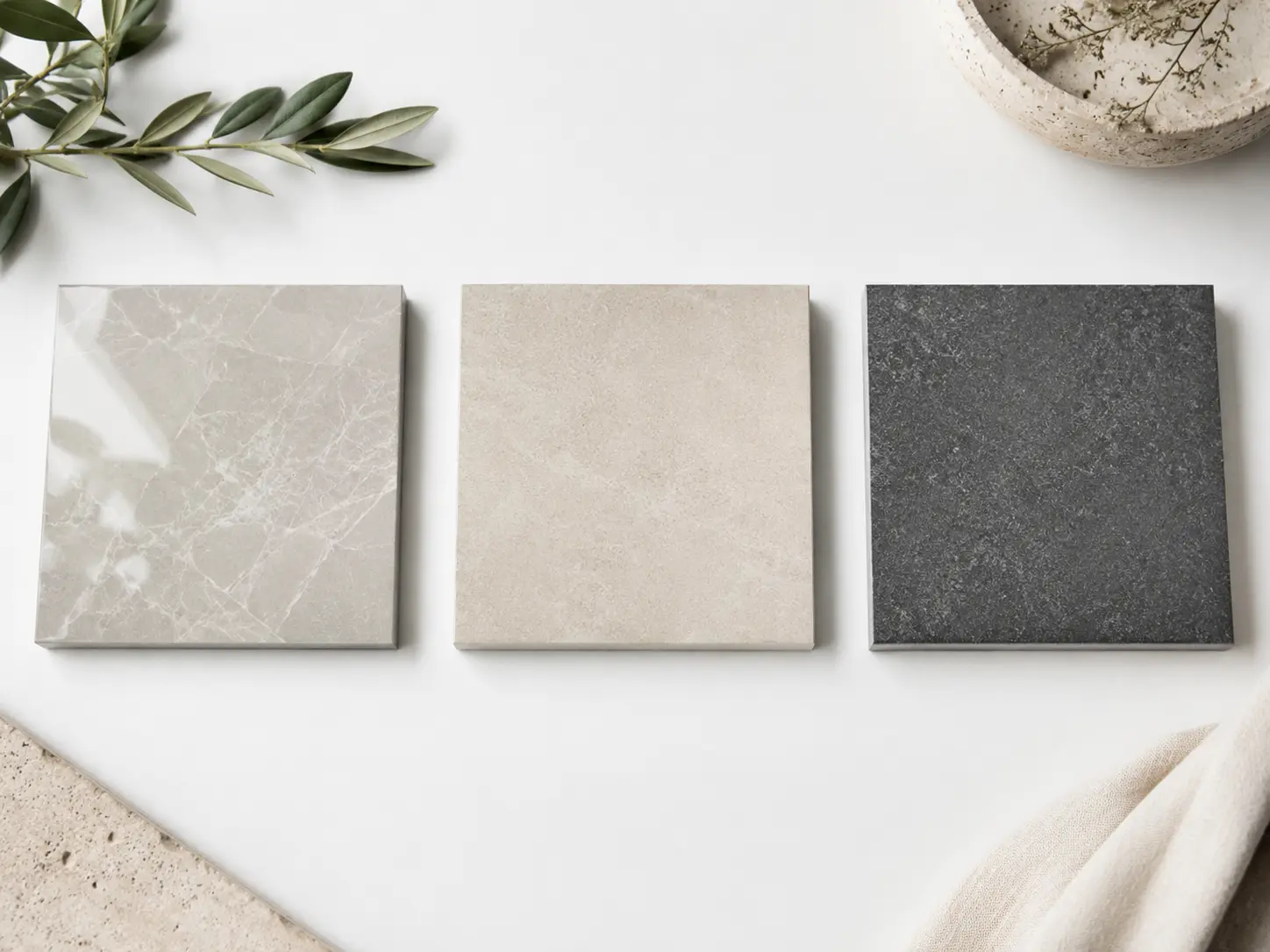
Common finishes available in Malaysia include:
- Polished — high-gloss, reflective surface that enhances colour depth
- Honed — smooth and matte with a refined, understated look
- Leathered or Textured — tactile surface with a natural, rustic character
- Anti-Slip or Grip — ideal for flooring and outdoor applications where safety is a priority
What Can Sintered Stone Be Used For?
Sintered stone is one of the most versatile surface materials available in Malaysia, suitable for a wide range of applications in both residential and commercial settings.
Countertops
Sintered stone creates beautiful, functional countertops for kitchens, bathrooms, bars, and kitchen islands. It handles heat from pots and pans, resists stains from Malaysian cooking ingredients, and provides a hygienic, easy-to-clean surface that is ideal for busy households.
Wall Cladding and Facade
Sintered stone creates striking feature walls and exterior facades for both residential and commercial properties. Its UV and weather resistance make it particularly well-suited for Malaysian outdoor and semi-outdoor environments. Read our guide on What Is Stone Wall Cladding? to learn more.
Flooring
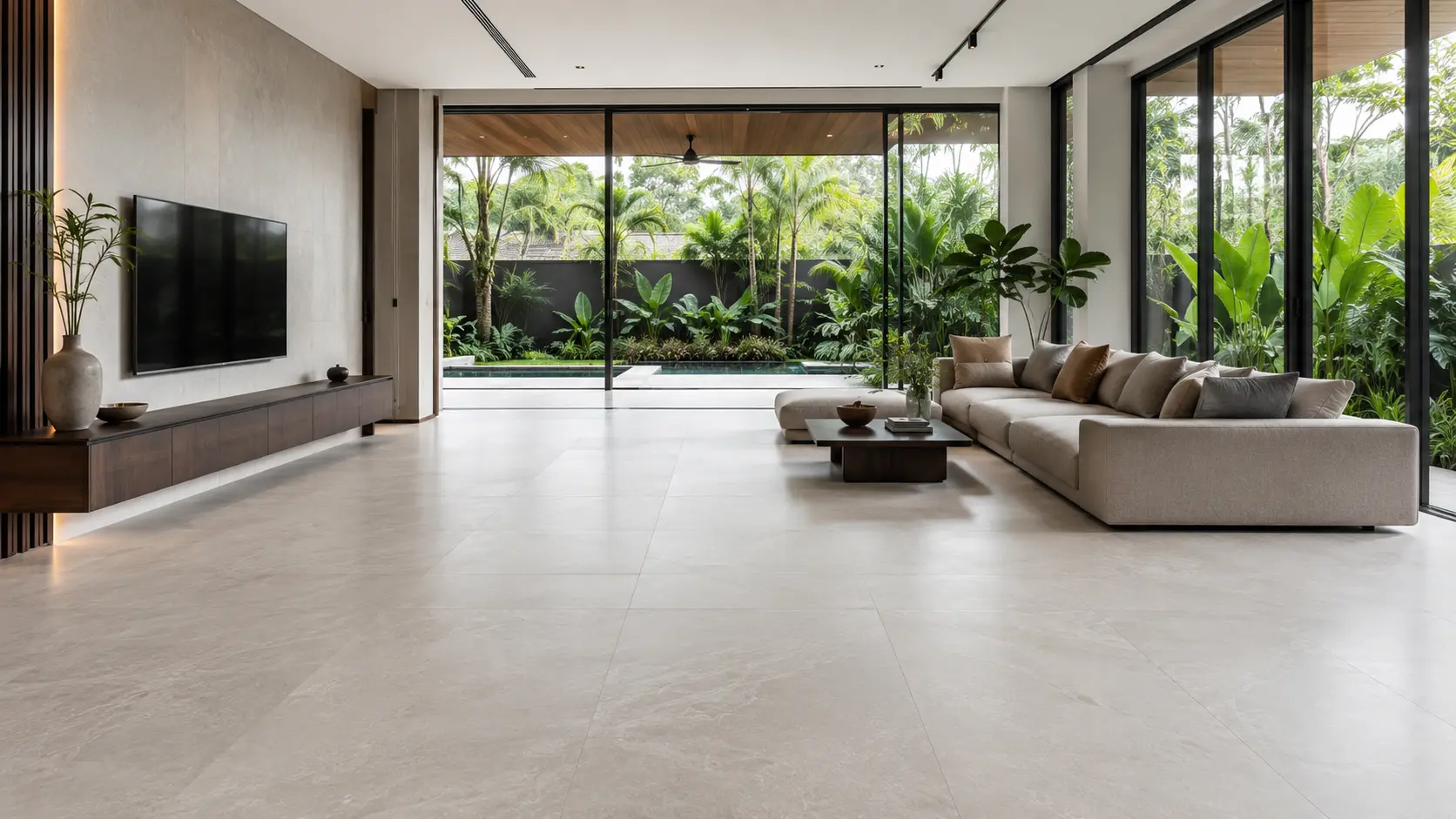
Sintered stone creates durable and elegant flooring for any room or space. It withstands heavy foot traffic, resists wear from furniture movement, and is available in anti-slip finishes suitable for Malaysian wet kitchens, bathrooms, and outdoor areas. For a full breakdown, read Sintered Stone Flooring in Malaysia: Pros, Cons, and What to Expect.
Other Applications
Beyond countertops, walls, and floors, sintered stone is also used for fireplace surrounds, kitchen backsplashes, shower panels, pool decks, and outdoor furniture tops. Its ability to be fabricated into various shapes, thicknesses, and edge profiles makes it an exceptionally flexible material for creative design applications.
Is Sintered Stone Right for Your Malaysian Home?
Sintered stone is one of the most technically capable surface materials available in Malaysia today. It excels in high-performance environments — particularly wok-cooking kitchens, humid bathrooms, and outdoor spaces where other materials struggle to perform over time.
That said, it comes at a higher price point and demands professional installation. If budget is a primary concern or your kitchen sees relatively light use, alternatives such as quartz stone may offer a better balance of cost and performance for your specific situation.
To compare these two materials in detail before making your decision, read Quartz vs Sintered Stone: Don't Make This RM20,000 Mistake in Your Malaysian Kitchen.
For further information on sintered stone options available in Malaysia — including Dekton and Moca Compact — feel free to contact us. We would love to help you find the right surface material for your home project.