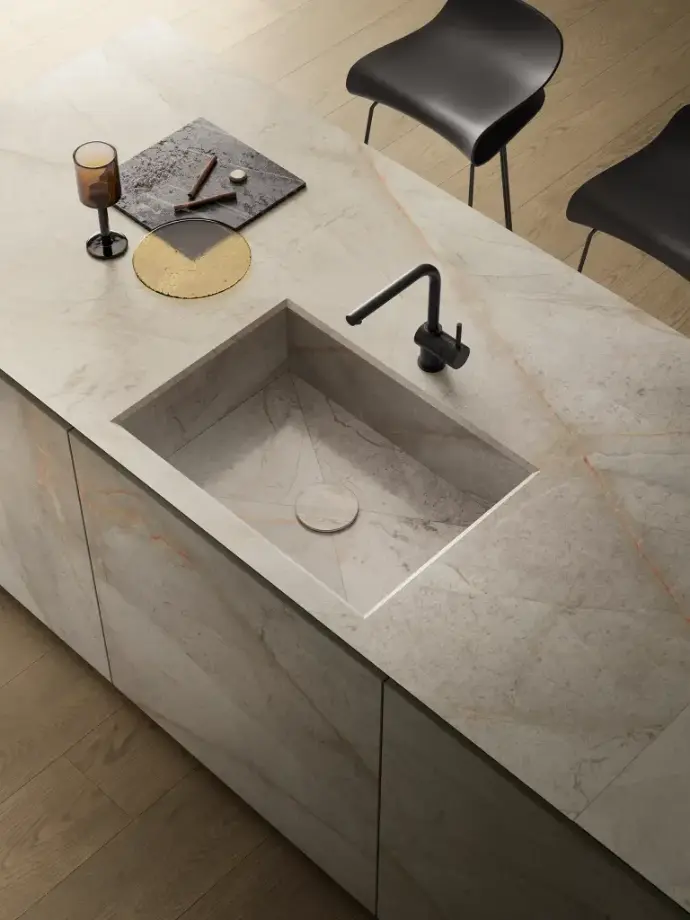
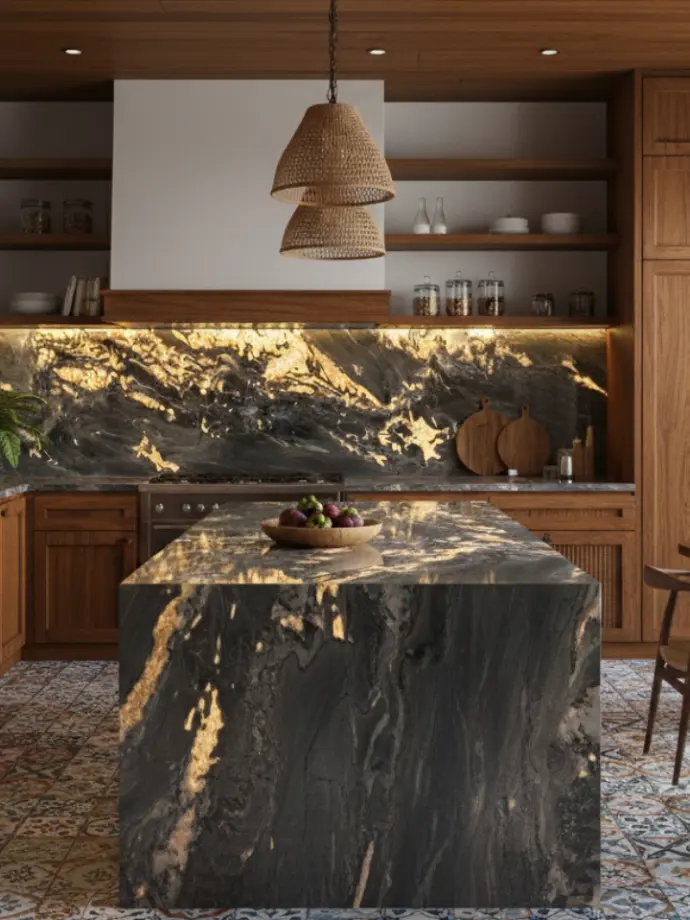
Choosing between quartz and granite for your kitchen countertop is one of the biggest decisions you'll make during a renovation. Whilst granite is a natural stone quarried directly from the earth, quartz is an engineered stone made from natural quartz crystals. Both materials look stunning, but they differ significantly in composition, maintenance, durability, and price. If you're a Malaysian homeowner weighing up these two popular options, this guide will help you understand the key differences so you can make the right choice for your lifestyle and budget.
What is quartz stone?
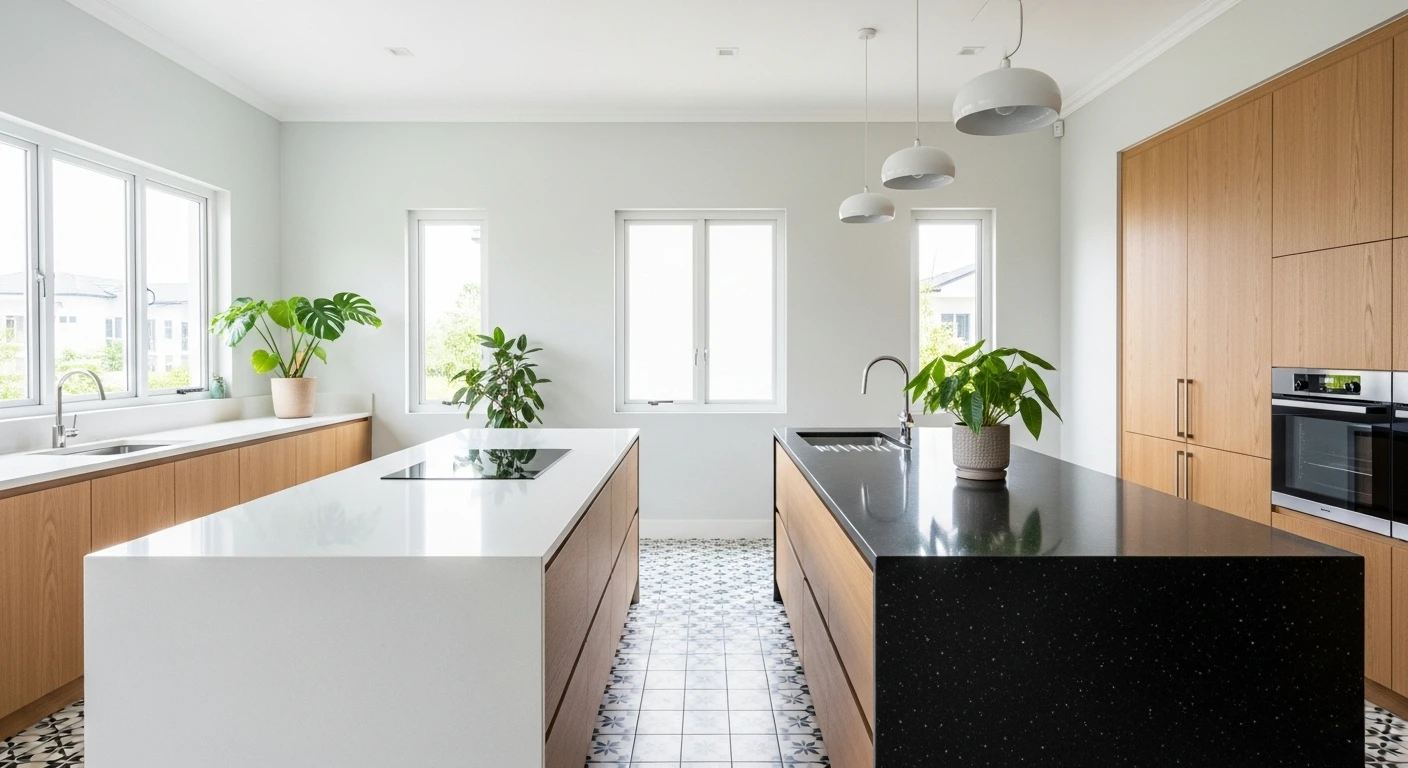
Quartz countertops are engineered stone surfaces made from approximately 90–93% natural quartz crystals combined with polymer resins and pigments. This manufacturing process creates a non-porous, highly durable surface that's resistant to stains, scratches, and bacteria.
Because quartz is engineered, manufacturers can control the colour and pattern consistency, offering a wide range of designs—from solid colours to marble-like veining. Popular quartz brands available in Malaysia include Caesarstone, Silestone, Zenstone, and Moonstone.
What is granite?
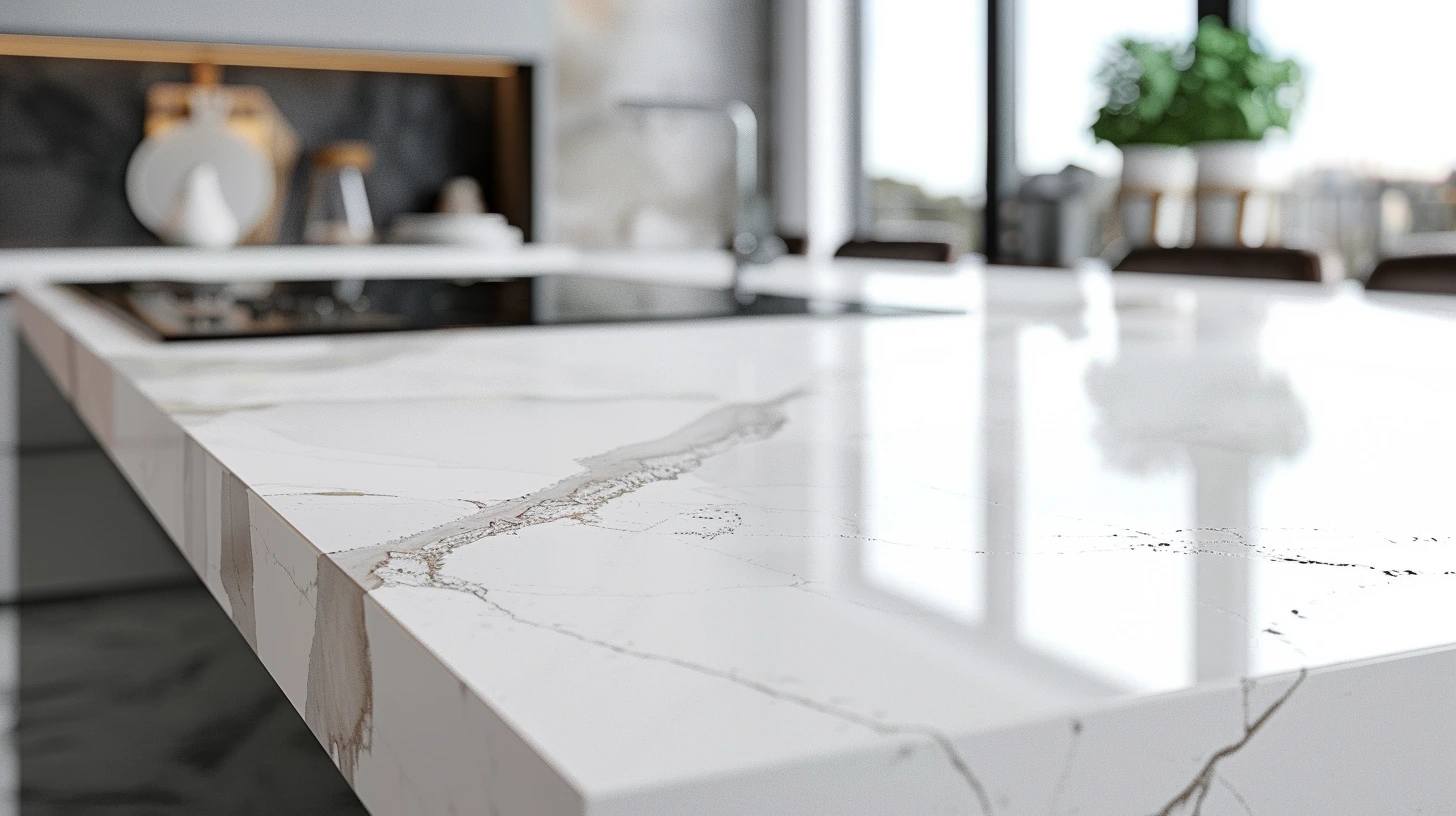
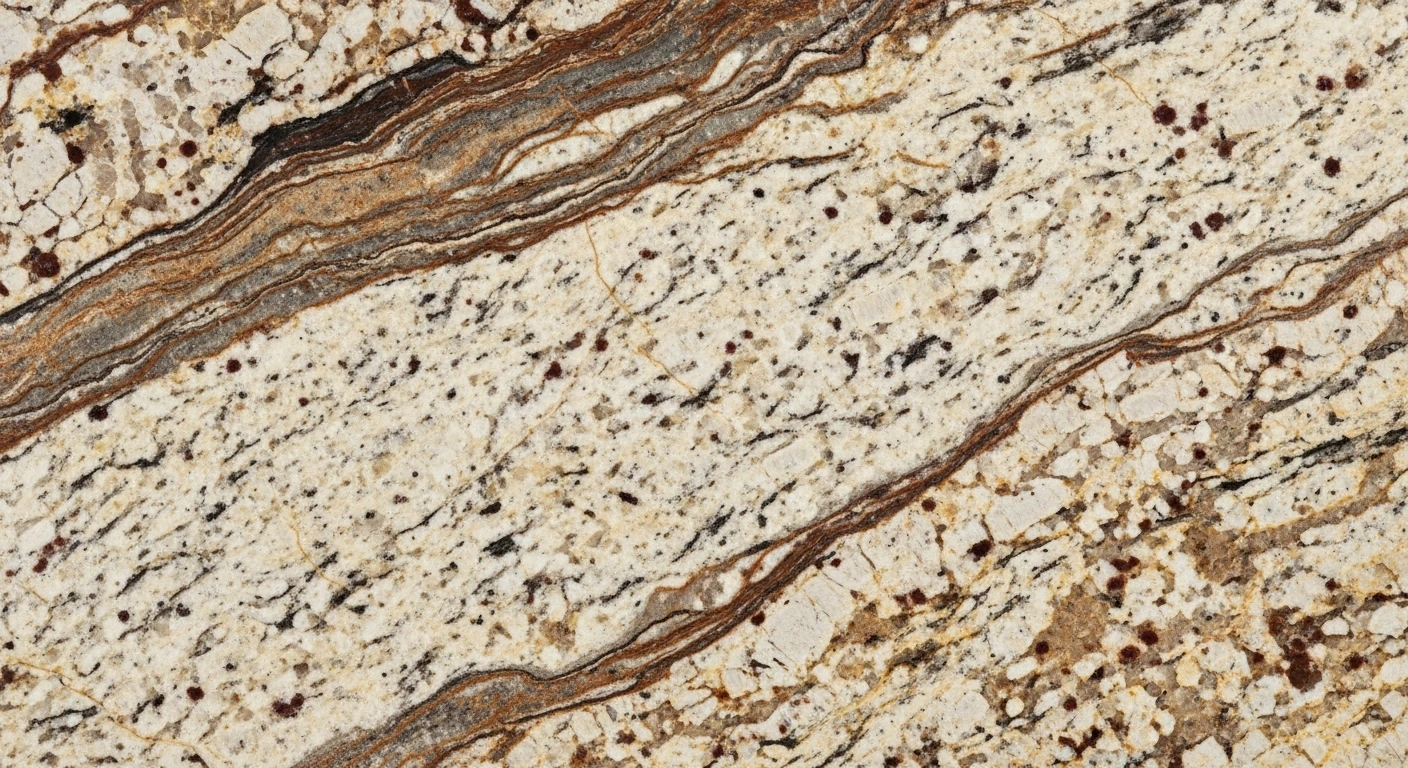
Granite is a 100% natural stone quarried directly from the earth. It's formed over millions of years from cooled magma, resulting in unique patterns, colours, and mineral variations. No two granite slabs are identical, which many homeowners find appealing for its one-of-a-kind character.
However, because granite is a natural stone, it's porous and requires sealing to prevent stains and moisture absorption—especially important in Malaysia's humid climate.
Key differences between quartz and granite
1. Composition and appearance
- Quartz: Engineered from natural quartz and resins. Offers consistent patterns and a wide variety of colours and finishes (polished, honed, leather textured). If you want a specific look or need slabs to match perfectly, quartz is the safer choice.
- Granite: 100% natural stone with unique veining and colour variations. Each slab is different, so you'll need to inspect and select your exact piece before installation. Granite offers an organic, luxurious aesthetic that appeals to those who value natural beauty.
2. Durability and heat resistance
- Quartz: Highly durable and resistant to scratches, chips, and stains due to its engineered composition. Quartz can withstand temperatures up to 200°C, but it's still recommended to use trivets or heat pads for very hot cookware. Prolonged direct contact with extremely hot pots (above 200°C) can cause discolouration or damage to the resin binders.
- Granite: Extremely heat-resistant. You can place hot cookware directly on granite without worry, making it ideal for avid home cooks. That said, granite can chip or crack if heavy objects are dropped on it, and it's slightly more prone to scratching than quartz.
3. Maintenance requirements
- Quartz: Low maintenance. Because it's non-porous, quartz doesn't require sealing. Daily cleaning with mild soap and water is sufficient. It resists staining from common kitchen spills like coffee, oil, and wine. Learn more about why quartz countertops are worth the investment.
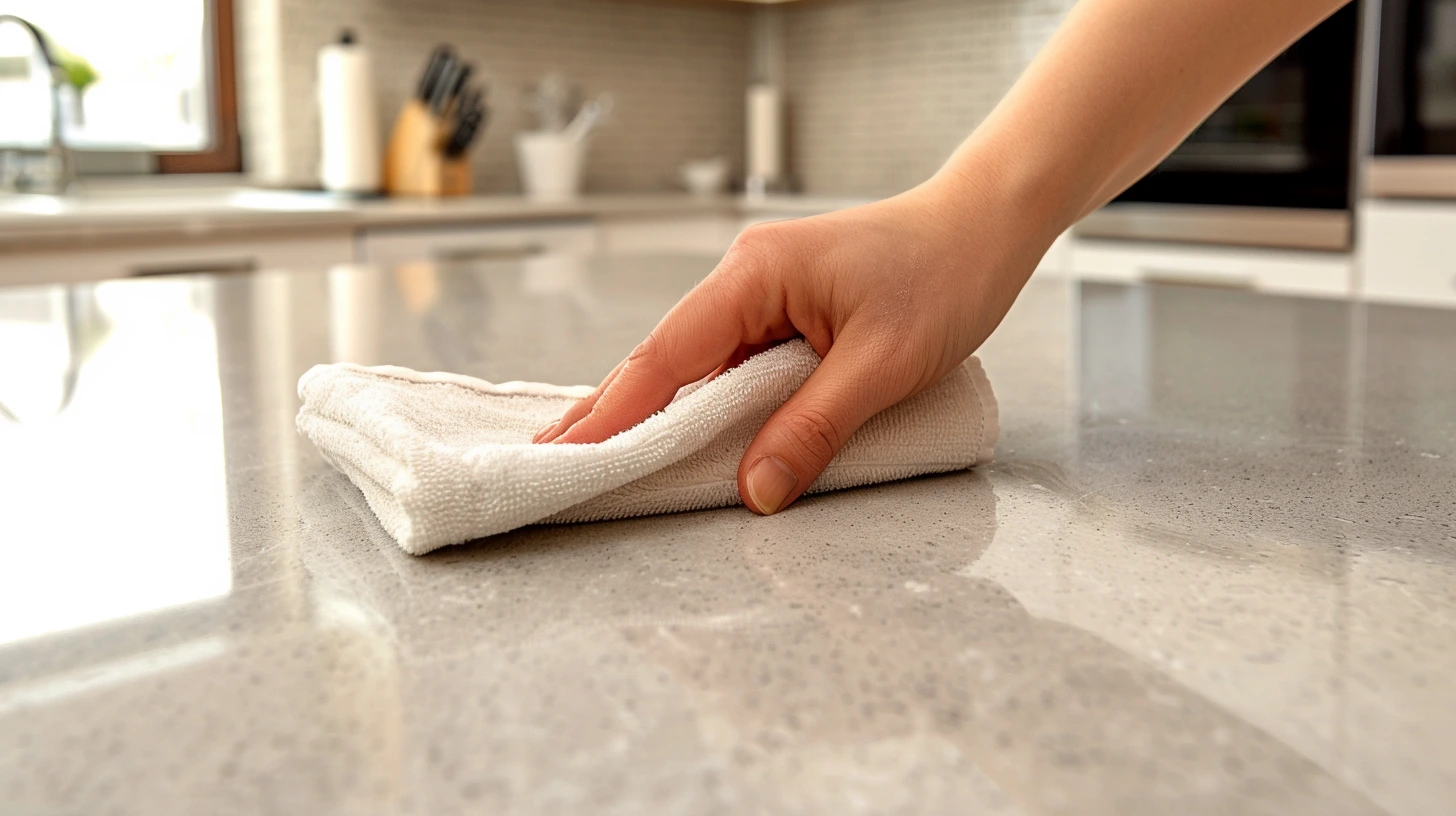
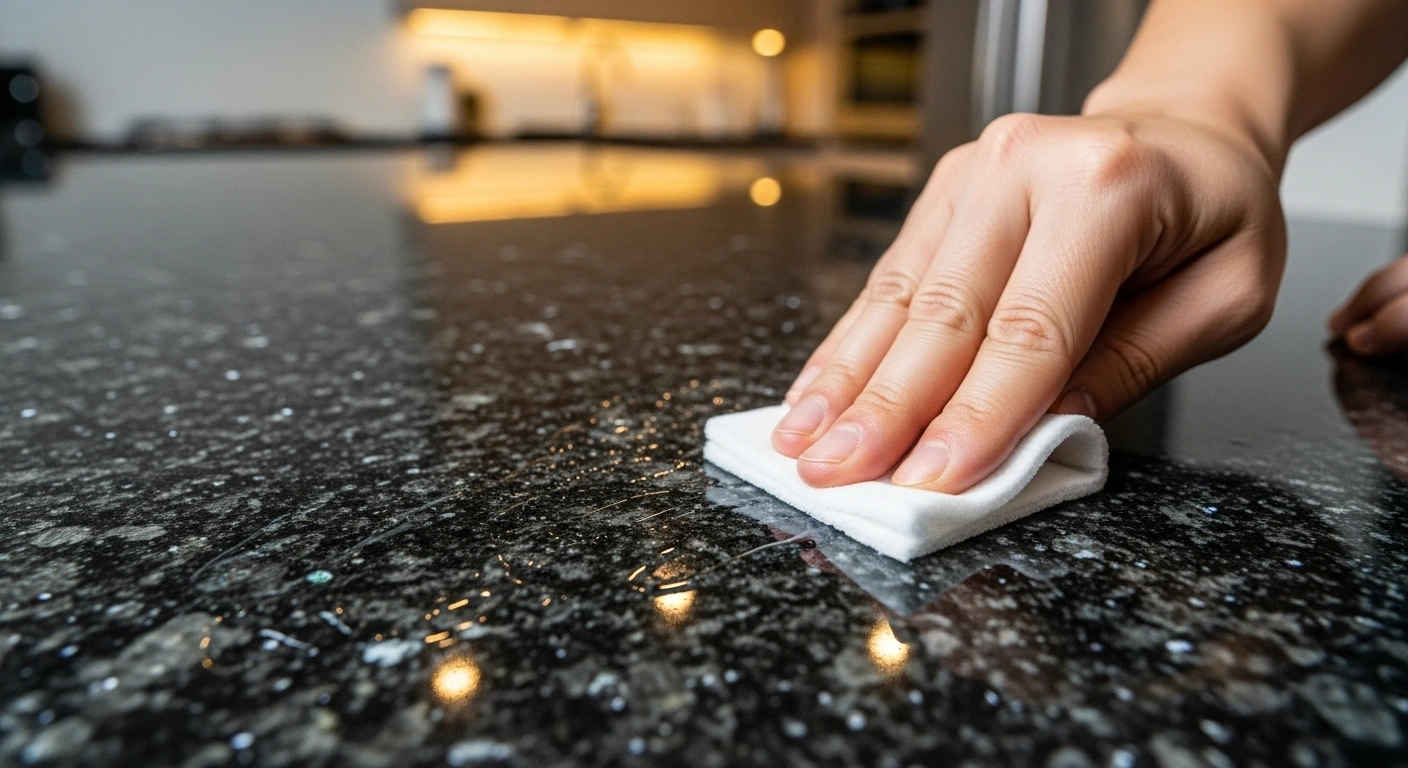
- Granite: Requires periodic sealing to maintain its stain resistance. DIY sealants typically need reapplication every 1 to 3 years, whilst professional-grade sealants can last 15 to 25 years. Without proper sealing, granite can absorb liquids, leading to stains and potential bacteria growth. Daily cleaning is straightforward, but the sealing requirement means higher ongoing maintenance compared to quartz.
4. Stain and bacteria resistance
- Quartz: Non-porous surface means liquids and bacteria cannot penetrate. This makes quartz highly hygienic and ideal for food preparation areas. Many premium quartz brands also carry NSF-51 certification for food safety—a critical feature for serious home cooks.
- Granite: Porous by nature, so it can absorb liquids if not properly sealed. Unsealed or poorly maintained granite may harbour bacteria in its micro-pores. Regular sealing is essential to keep it hygienic.
5. Pricing in Malaysia
Pricing for both materials varies based on brand, colour, thickness, and complexity of installation.
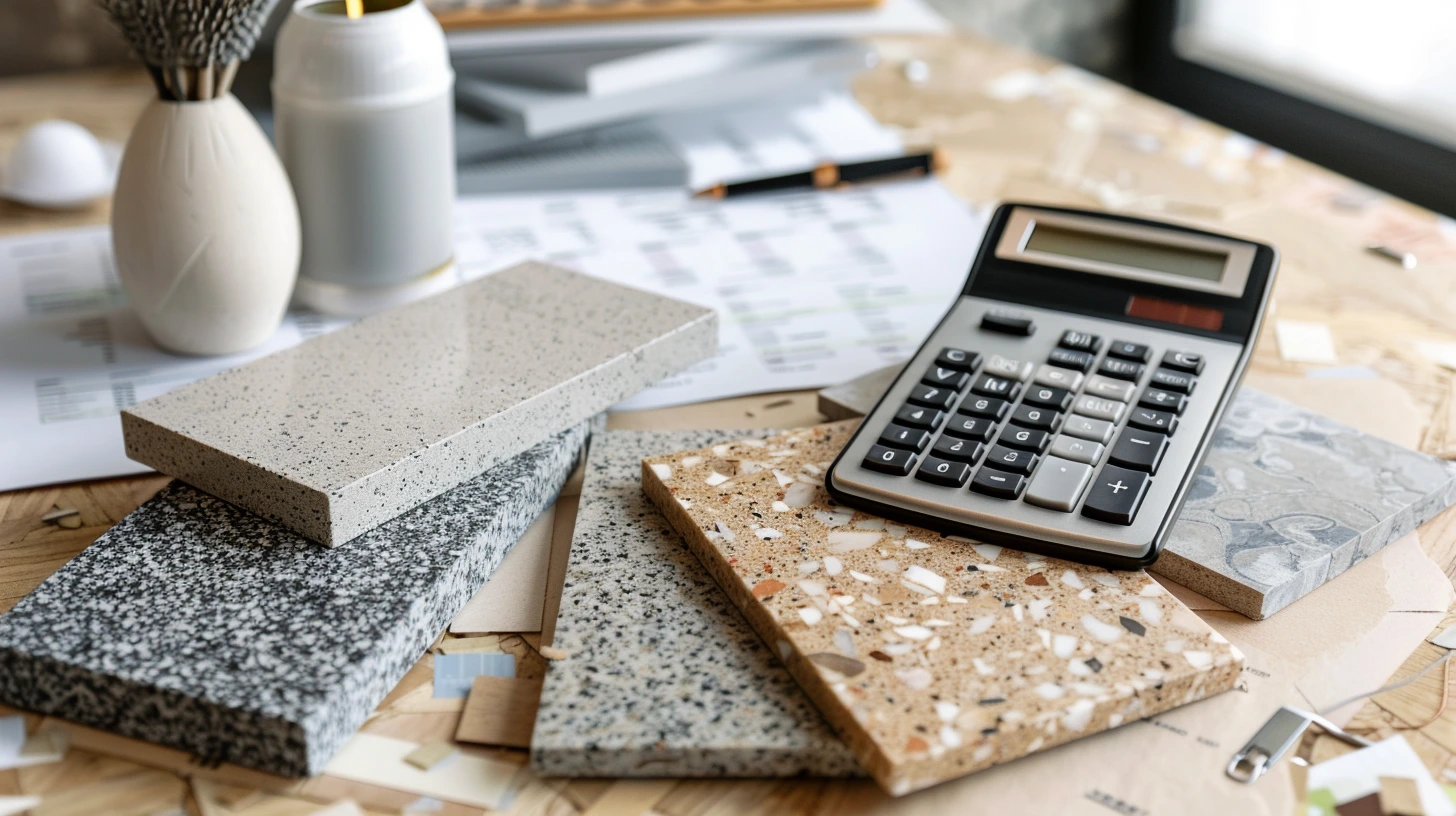
- Quartz: Generally ranges from RM110 to RM400+ per square foot in Malaysia, depending on the brand and design. Premium quartz like Caesarstone or Silestone sits at the higher end. For a detailed breakdown, check out our 2025 quartz stone price guide.
- Granite: Typically ranges from RM120 to RM350+ per square foot. Exotic or rare granite colours and patterns can cost significantly more. Installation costs for granite may also be higher due to the need for precise cutting and sealing.
Whilst granite may appear cheaper upfront, remember to factor in the ongoing cost of sealants and professional re-sealing over the years.
6. Environmental and sustainability considerations
- Quartz: Some manufacturers (like Silestone with their HybriQ+ technology) incorporate recycled materials and use water-efficient production methods, making quartz a more sustainable option.
- Granite: Being a natural stone, granite extraction has environmental impacts, including quarrying and transportation. However, it's a long-lasting material that doesn't require synthetic resins.
7. Design flexibility
- Quartz: Offers greater design consistency and a broader range of modern colours and patterns. If you're renovating a condo in the Klang Valley and want a seamless, contemporary look, quartz provides more flexibility. You can also match countertops, backsplashes, and island tops perfectly.
- Granite: Best for those who appreciate natural, organic aesthetics. If you want a bold, statement countertop with unique veining and character, granite delivers. However, matching multiple slabs can be challenging.
Which one should you choose?
Choose quartz if you:
- Want a low-maintenance countertop that doesn't require sealing
- Prefer consistent colour and pattern across all surfaces
- Prioritise hygiene and stain resistance (especially if you have young children)
- Value modern aesthetics and design flexibility
- Don't frequently place hot pots directly on the countertop
Choose granite if you:
- Love the natural, unique beauty of stone with one-of-a-kind patterns
- Do a lot of cooking and need heat-resistant surfaces
- Don't mind regular maintenance and sealing
- Want a classic, timeless look
- Have a slightly lower upfront budget (depending on the granite type)
Final thoughts
Both quartz and granite are excellent choices for Malaysian kitchen countertops, but they serve different needs and lifestyles. Quartz offers convenience, consistency, and low maintenance, whilst granite provides natural beauty, heat resistance, and character. Consider your cooking habits, maintenance willingness, design preferences, and budget before making your final decision.

If you're still unsure, visit a showroom to see and feel both materials in person. And remember—don't fall for common stone countertop myths that might cloud your judgement. Choose the material that truly fits your lifestyle.
Ready to explore your options? Contact Sinno today to view our range of premium quartz and granite countertops, and let our team help you find the perfect surface for your Malaysian kitchen.