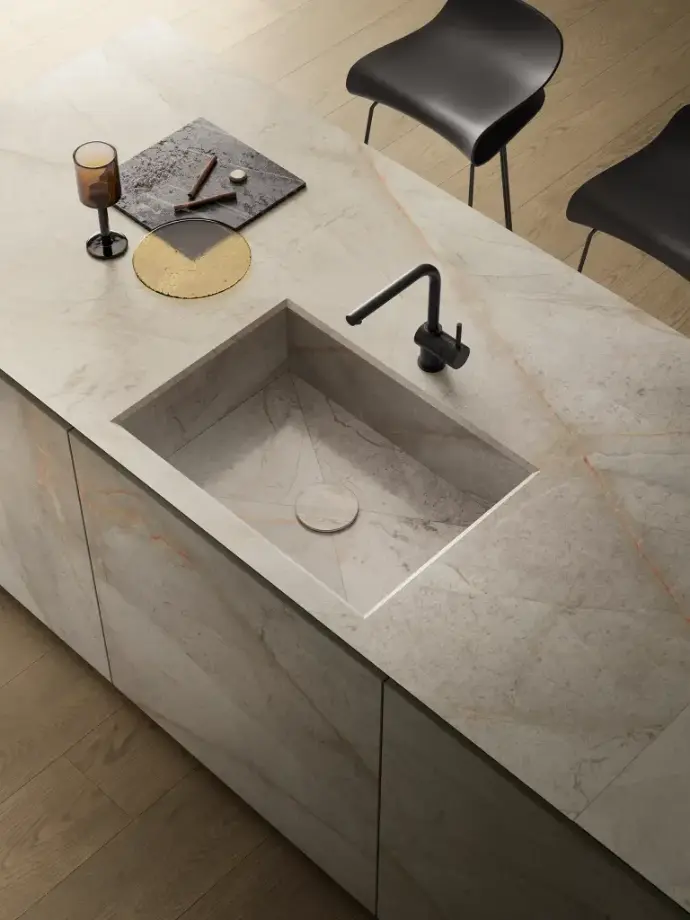
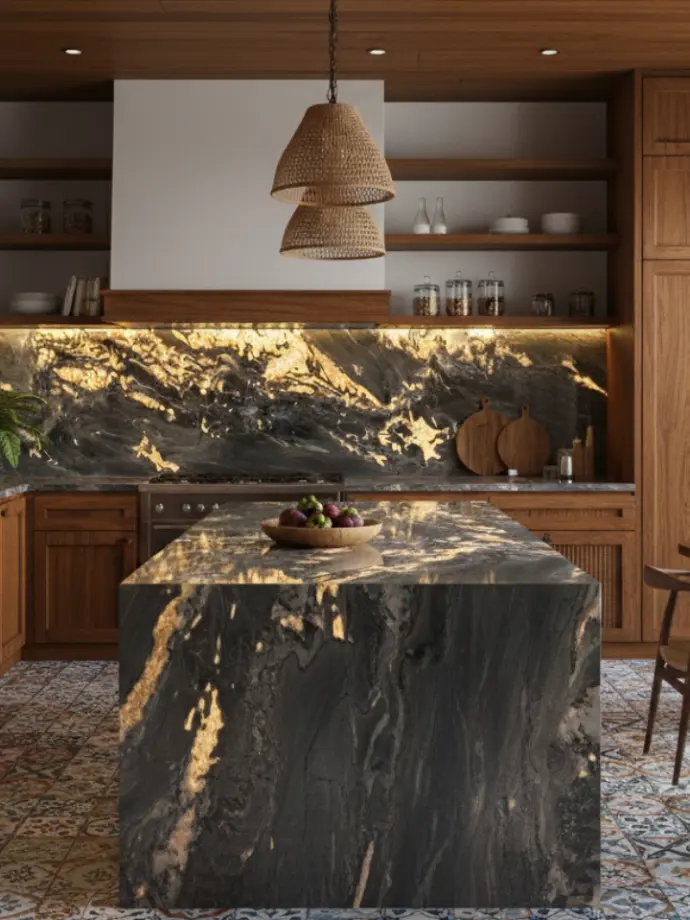
Sintered stone is quietly transforming the way Malaysians think about home flooring. Walk into Cosentino Malaysia’s showroom at Kota Damansara and you will understand immediately why. The showroom floor is laid entirely in sintered stone. So is the staircase. So is the lift floor. Every surface you step on has been chosen deliberately — not merely to display the product, but to demonstrate, in the most direct way possible, that this is a material confident enough in its own durability to be used underfoot in one of the most high-traffic commercial environments imaginable.
But beneath the aesthetics lies a material with genuine technical merit, and also genuine limitations. Whether sintered stone is the right flooring choice for your Malaysian home depends on your budget, your lifestyle, and your expectations of what flooring should do.
This guide gives you the complete picture — the honest pros, the real cons, pricing context from brands available in Malaysia, and a frank account of what to expect during installation.
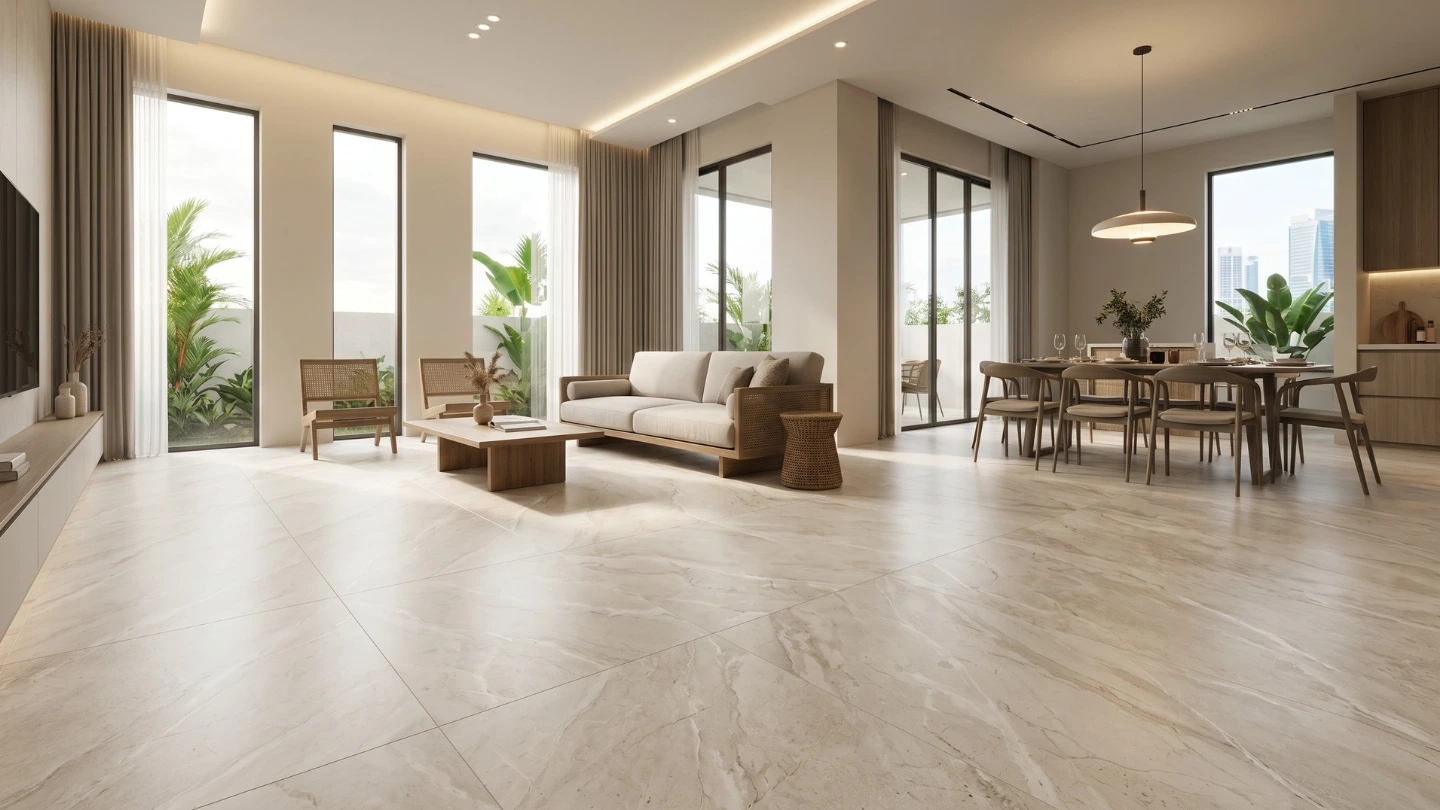
What Is Sintered Stone, and Why Is It Being Used for Floors?
Sintered stone is an ultra-compact surface material created by subjecting a precise blend of natural minerals — feldspar, silica, glass, and metal oxides — to extreme heat and pressure exceeding 1,200°C. This process replicates, in a controlled factory environment, the geological forces that form natural stone over millions of years. The result is a product that is exceptionally dense, fully vitrified, and non-porous.
If you would like to understand the full manufacturing process behind this material, the science behind sintered stone offers a thorough technical breakdown.
Whilst sintered stone originally gained traction as a countertop material — prized in kitchens and bathrooms — designers and homeowners across Malaysia are increasingly specifying it for flooring. The reasons are compelling: large-format slab availability, outstanding surface durability, and the ability to create a virtually seamless floor that flows continuously through open-plan spaces.
Why Sintered Stone Works Well in Malaysian Conditions
Malaysia’s tropical climate presents flooring challenges that homeowners in cooler climates simply do not face. The combination of high ambient humidity, intense UV light through glass panels, and the constant thermal cycling from air-conditioning versus outdoor heat can degrade lesser materials remarkably quickly. Add to this the demands of barefoot living, high-traffic open-plan layouts, and the inevitable cooking spills of Malaysian home kitchens, and you begin to appreciate why so many homeowners are looking beyond conventional ceramic or porcelain tiles.
Sintered stone addresses many of these challenges directly:
- Non-porous surface — resists moisture absorption, mould, and mildew growth, which are particularly relevant concerns in humid Malaysian environments
- UV colour stability — unlike some engineered materials that yellow or fade with prolonged sun exposure, sintered stone retains its colour under sustained tropical sunlight
- Chemical resistance — withstands the harsh cleaning agents commonly used in Malaysian households without surface degradation
- Slip-resistant finish options — available in textured finishes that provide adequate grip for wet areas near bathrooms and laundry rooms
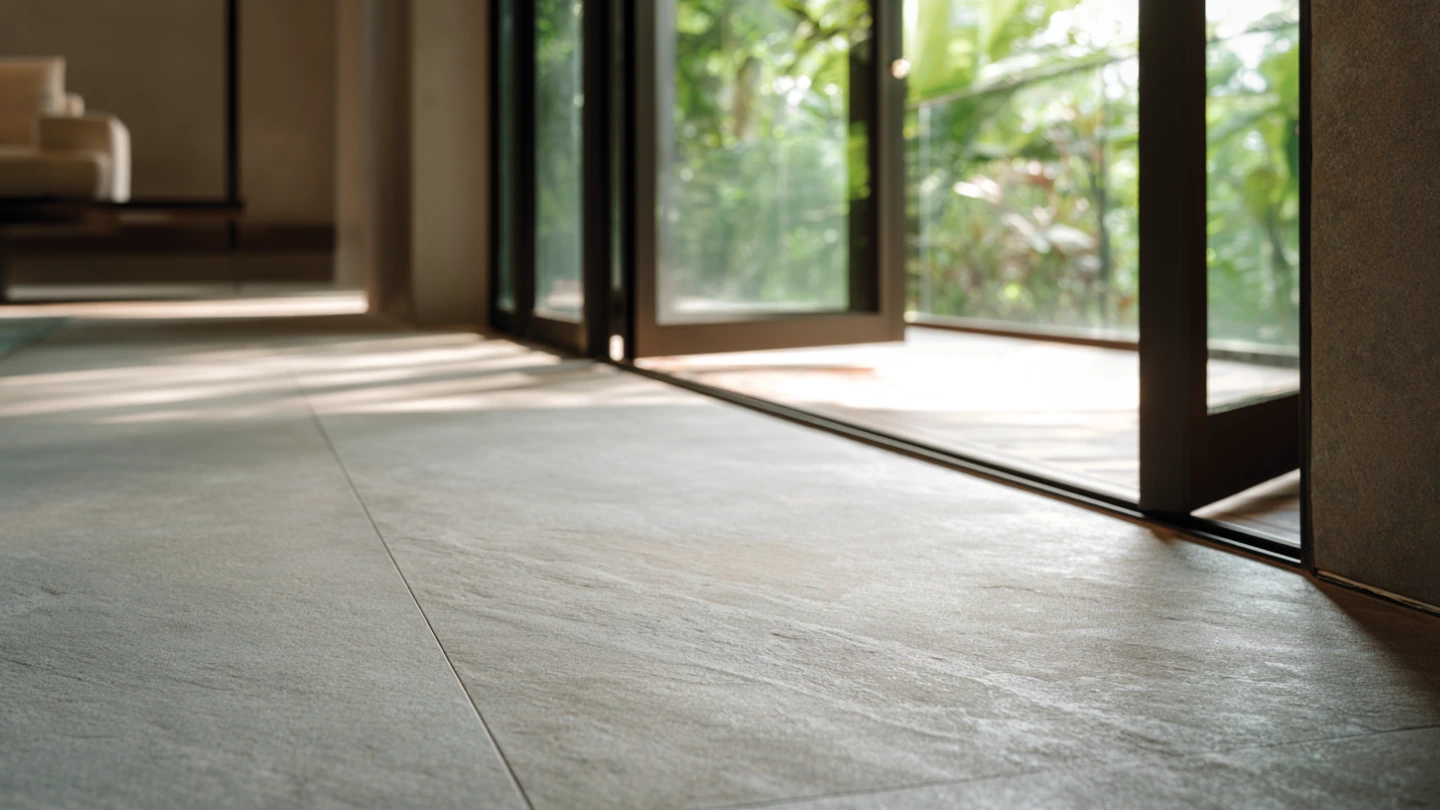
The Pros of Sintered Stone Flooring
1. Exceptional Durability and Scratch Resistance
Sintered stone ranks extremely high on the Mohs hardness scale — typically between 6 and 8, depending on the specific brand and formulation. This means everyday abrasion from dragged furniture, pet claws, grit carried in on shoes, and heavy foot traffic are unlikely to leave a visible mark. For busy Malaysian households with children, frequent guests, or live-in helpers, this translates to a floor that looks as good a decade after installation as it did on day one.
2. Stain Resistance Built for Malaysian Cooking
Malaysian cooking is celebrated for its bold, richly pigmented flavours — turmeric-based curries, belacan sambal, char kway teow dark with soy sauce. These are precisely the kind of stains that strike fear into homeowners with light-coloured marble or porous natural stone floors.
Sintered stone’s fully vitrified, non-porous surface means that liquids, cooking oils, and deeply coloured sauces cannot penetrate the material. In most cases, a quick wipe is sufficient to restore the surface completely. There is no need for periodic sealing — a maintenance requirement that natural stone and some compressed marble floors demand regularly.
3. UV and Fade Resistance
Homes with floor-to-ceiling glazing, south-facing glass panels, or seamless indoor-outdoor connections are increasingly common in Malaysian new builds and condominium developments. Sintered stone maintains its colour integrity even under sustained UV exposure — a significant advantage over certain engineered materials that discolour irreversibly over time.
4. Hygienic Surface for Malaysian Households
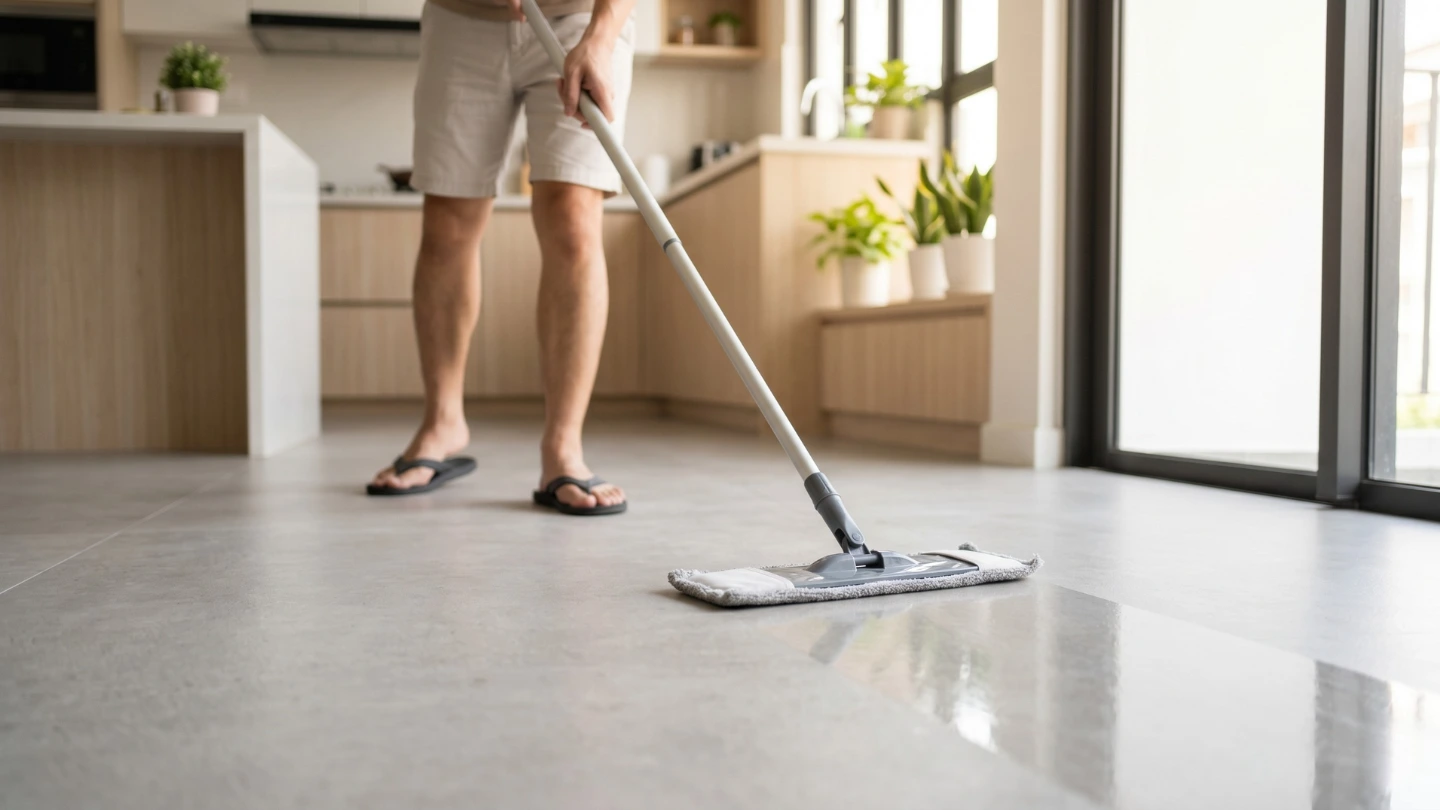
Because sintered stone is fully vitrified and non-porous, it does not harbour bacteria, fungi, or allergens within the surface structure. For households with young children crawling on the floor, or family members with respiratory sensitivities or allergies, this is a genuinely meaningful benefit. Routine maintenance requires nothing more than a damp mop and a mild pH-neutral cleaner — no specialist stone treatments needed.
5. Large-Format Aesthetics with Fewer Grout Lines
One of the most compelling design advantages of sintered stone flooring is the availability of large-format slabs — typically 1,600mm × 3,200mm or 1,200mm × 2,400mm — that can be cut and installed with minimal grout lines. This creates a seamless, expansive visual that makes rooms feel significantly larger and more cohesive.
This is particularly popular in Malaysian open-plan layouts where visual continuity between the living room, dining area, and kitchen creates a sense of generous, uninterrupted space. The effect is difficult to replicate with standard 600mm × 600mm or 800mm × 800mm porcelain tiles.
6. Heat Resistance and Versatile Finish Options
Sintered stone is highly resistant to thermal shock and does not readily absorb or retain surface heat the way some darker natural stones do. The material is also available across a broad range of surface finishes — from polished through to textured matte and leather — giving homeowners the flexibility to select slip-resistant options for wet areas without compromising aesthetics.
7. Versatile Design That Suits Malaysian Interiors
Contemporary sintered stone comes in an impressive range of visual aesthetics: classic marble veining, understated concrete textures, terrazzo-inspired patterns, and natural limestone appearances. Whether your Malaysian home follows a contemporary minimalist direction, a warm mid-century tropical theme, or an aspirational resort-inspired aesthetic, there is very likely a sintered stone design to suit.
The Cons of Sintered Stone Flooring
1. Higher Material and Installation Cost
There is no way to avoid this reality — sintered stone is a premium material, and the total cost of flooring a meaningful area of a Malaysian home can be substantial.
As a reference point for material pricing, Moca Compact (a locally manufactured sintered stone brand) is priced from RM 110 per square foot for its Regular series up to RM 150 per square foot for Homogeneous series. The premium Spanish brand Dekton ranges from RM 240 per square foot (Group 0) to RM 461 per square foot (Group 4).
Important pricing note: The prices above reflect countertop supply and installation costs from the brand’s own price list, and are provided as a reference for sintered stone material pricing. Flooring installation is a fundamentally different process from countertop installation — it involves different tiling labour rates, adhesive quantities, substrate preparation, and grouting. For an accurate flooring budget, always obtain itemised quotes from flooring specialists.
For a typical Malaysian terrace house with an open-plan ground floor of 600–900 square feet, sintered stone flooring represents a significant investment compared to standard porcelain tiles, which can be sourced for RM 5–25 per square foot at the material level.
2. Specialist Installation Is Non-Negotiable
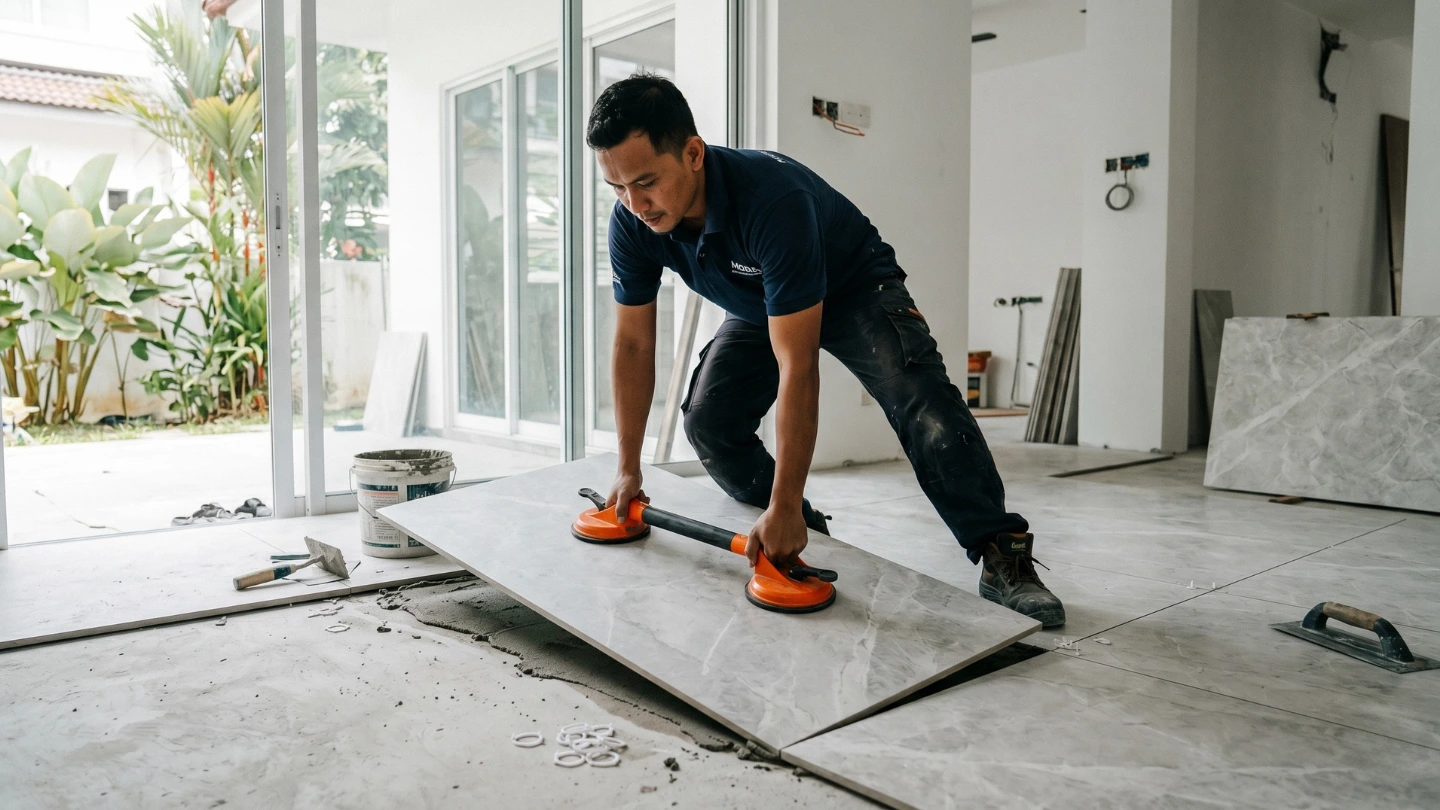
Sintered stone slabs cannot be installed by a general tiler. The material demands diamond-tipped blade cutters, experienced handling to prevent cracking during the cutting and laying process, and an absolutely level and prepared subfloor. Errors during installation — particularly cracked slabs from incorrect handling — are costly and difficult to rectify.
This is one of the most frequently cited frustrations amongst Malaysian homeowners who discover, mid-renovation, that their appointed contractor lacks the tools or experience required for sintered stone.
3. Brittle Under Impact During Handling
Whilst sintered stone is extremely hard against scratches and abrasion, it is also comparatively brittle when subjected to sharp point impacts or incorrect handling. Large slabs can crack if dropped, inadequately supported during transport, or cut with unsuitable equipment. This brittleness is a principal reason why experienced Malaysian fabricators will not work with off-brand or China-direct sintered stone — the inconsistency in quality control and slab density makes reliable cutting unpredictable.
For more detail on the specific drawbacks of sintered stone as a material, this honest guide on the disadvantages of sintered stone covers the key limitations in depth.
4. Cold and Hard Underfoot
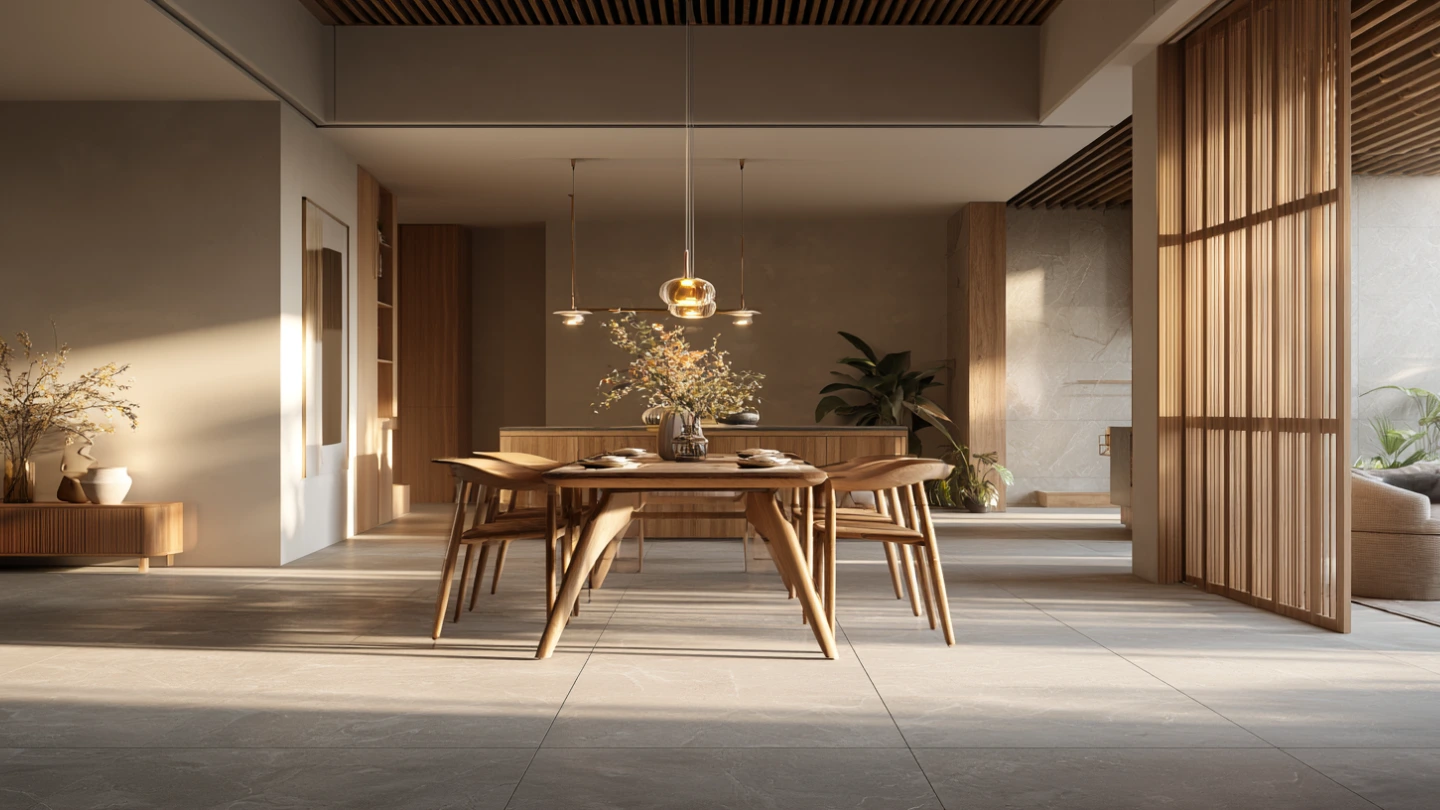
Sintered stone retains the cool temperature characteristic of most stone-based materials. In Malaysia’s tropical climate, many homeowners consider this an advantage rather than a drawback — cool floors feel refreshing underfoot year-round. However, the extreme hardness of the surface can cause physical fatigue for those who spend extended periods standing, particularly in kitchens.
Homeowners who prefer a warmer or softer feel underfoot — particularly in bedrooms — may find sintered stone less comfortable than engineered timber, vinyl plank flooring, or carpet in those spaces.
5. Structural Considerations for Upper-Floor Installation
Sintered stone slabs are dense and heavy. When specified for upper-level flooring — a master bedroom on the first floor of a Malaysian terrace house, for example — it is important to verify that the existing floor structure can accommodate the additional dead load. This consideration is especially relevant in older Malaysian properties where structural designs were based on lighter screed-and-tile systems.
6. Limited Repairability After Damage
If a sintered stone floor slab chips or cracks following a heavy impact, finding an exact colour and batch match for a replacement piece can be extremely difficult — particularly for discontinued colourways or imported ranges. Unlike softer flooring materials that can be patched, polished, or refinished on-site, sintered stone damage generally means full tile replacement. Prevention through careful installation and impact avoidance is the most practical strategy.
Sintered Stone Flooring vs Porcelain Tile: A Comparison
This is the comparison most Malaysian homeowners are weighing up, and it deserves a direct answer.
| Feature | Sintered Stone | Standard Porcelain Tile |
|---|---|---|
| Surface hardness | Higher (6–8 Mohs) | Moderate (5–7 Mohs) |
| Stain resistance | Excellent | Good |
| UV colour stability | Excellent | Good |
| Slab format size | Large format (fewer joins) | Standard tile format |
| Installer availability | Specialist required | Widely available |
| Price range | Premium | Economical to mid-range |
| Repairability | Difficult | Easier |
| Maintenance requirements | Minimal (no sealing) | Minimal |
For homeowners interested in large-format stone aesthetics at a more accessible price point, this guide on linear match porcelain slab flooring is worth reading before finalising your material decision.
Is Sintered Stone the Same as Porcelain Slab?
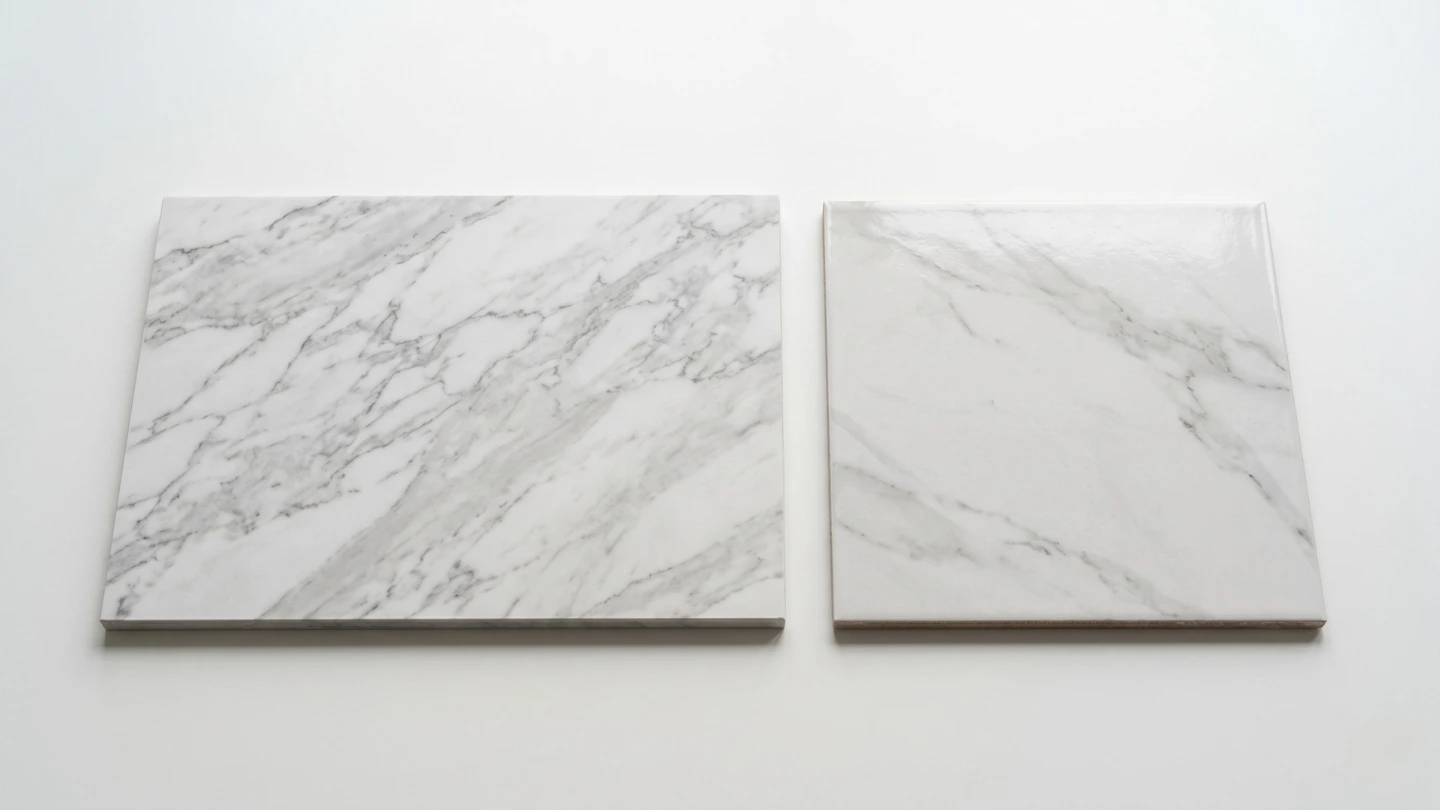
This question comes up frequently during the material selection process, and the confusion is understandable — many suppliers use the terms interchangeably. However, sintered stone and porcelain slab are two distinct products with different manufacturing processes, raw material compositions, and performance profiles.
Understanding the distinction is important when evaluating specifications and comparing quotes. This comprehensive guide on the difference between sintered stone and porcelain slab explains exactly what sets the two materials apart and why it matters for your purchasing decision.
What to Expect During Installation in Malaysia
Subfloor Assessment and Levelling
A perfectly level subfloor is an absolute prerequisite for sintered stone flooring. Any unevenness — even minor variations in the screed — can cause slabs to crack during or after installation as the material bridges uneven high and low points. Expect your specialist installer to spend meaningful time assessing and preparing the substrate before any slabs are laid.
Specialist Cutting Equipment
Standard wet-saw tile cutters used by the majority of Malaysian tilers are not suitable for sintered stone. Look for installers who operate CNC-guided diamond blade bridge saws or equivalent specialist cutting equipment. If a contractor proposes installing sintered stone with standard tile tools, treat this as an immediate red flag.
Full-Bed Adhesive Application with 2-in-1 Cement Adhesive
Large-format sintered stone slabs require full-bed adhesive application — meaning the entire underside of each slab must be coated with an appropriate heavy-duty adhesive. The spot-gluing or dot-and-dab application methods commonly used for standard porcelain tiles are entirely unsuitable for sintered stone at scale.
Equally important is the type of adhesive used. Standard cement grout or ordinary tile adhesive does not have sufficient bonding strength to hold large-format sintered stone slabs securely over the long term. What is required is a 2-in-1 cement adhesive — a high-performance tile adhesive that is applied to both the subfloor surface and the underside of the slab simultaneously. This double-sided application creates a far stronger mechanical bond that can support the weight, density, and rigidity of sintered stone without risk of debonding, hollowing, or cracking over time.
This is a detail that catches many Malaysian homeowners off guard — and one that less experienced contractors frequently get wrong. If a tiler quotes you for sintered stone flooring using standard tile cement, that is a clear sign they are not familiar with the correct installation method. Always verify that your installer specifies a 2-in-1 high-bond cement adhesive rated for large-format stone slabs before work begins.
Expansion Joints
Like all large-format surface materials, sintered stone floors require adequate expansion joints to accommodate thermal movement. In Malaysia, where temperature differentials between air-conditioned interior zones and non-air-conditioned spaces can be significant, correctly specified expansion gaps are essential to prevent long-term surface stress and cracking.
Installation Timeline
Sintered stone flooring installation generally takes longer than standard tile work. For an open-plan area of 600–800 square feet, expect the installation itself to span three to five working days, followed by a minimum of 24–48 hours of curing time before the space can safely be used.
Sintered Stone Flooring Brands Available in Malaysia
Dekton by Cosentino (Spain)
Dekton is widely regarded as the global benchmark for sintered stone quality. Cosentino’s proprietary Sinterized Particle Technology produces an ultra-compact surface that performs at the highest level across all key metrics — scratch resistance, stain resistance, UV stability, and chemical resistance. Available in Malaysia through specialist stone suppliers, Dekton is the specification-grade choice for homeowners and interior designers seeking absolute quality assurance and full technical support.
Perhaps the most telling endorsement of Dekton’s flooring capability comes from Cosentino themselves. At their Malaysia showroom in Kota Damansara, every floor surface — from the main showroom floor to the staircase treads and even the lift floor — is finished in Dekton sintered stone. This is not a decorative choice; it is a deliberate statement of confidence. When a brand installs its own product in the highest-traffic surfaces of its own commercial space, including an environment as demanding as a lift cab where concentrated point loads and constant foot traffic are the daily reality, that speaks more convincingly than any specification sheet.
Moca Compact (Malaysia)
For homeowners seeking the functional benefits of sintered stone at a more accessible price point, Moca Compact is a locally manufactured brand offering a broad range of colours and finishes — from natural stone looks through to homogeneous solid tones. Its wide distribution network in Malaysia also means material lead times and logistical complexity are reduced compared to fully imported brands.
China-Imported Sintered Stone
China-imported sintered stone slabs are available at significantly lower price points through certain suppliers and online platforms. However, experienced Malaysian fabricators and installers are largely unwilling to work with these materials. Inconsistent quality control, unpredictable cutting behaviour, and the absence of local warranty or technical support make them a high-risk choice — particularly for flooring applications where large unbroken areas of material are required.
Is Sintered Stone Flooring Worth It for Your Malaysian Home?
Sintered stone flooring is not appropriate for every budget, and it is not the right choice for every renovation project. But for homeowners who place a high value on long-term durability, genuinely minimal maintenance, and the design impact of seamless large-format stone aesthetics, it represents a compelling long-term investment.
If you are weighing sintered stone against other premium surface materials, this honest comparison between sintered stone and quartz covers the key trade-offs between the two most popular engineered stone categories in Malaysia today.
The ideal candidate for sintered stone flooring is the Malaysian homeowner who is renovating or building a home they intend to occupy long-term — someone who values a floor that requires no sealing, tolerates heavy daily use, performs well in a humid tropical environment, and looks exceptional for decades rather than years.
Conclusion
Sintered stone flooring represents the premium tier of the Malaysian residential flooring market — and its reputation is well-earned. It offers a combination of performance characteristics that few other flooring materials can match in a tropical climate: UV stability, stain and scratch resistance, hygienic non-porous surfaces, and the dramatic visual impact of large-format seamless aesthetics.
The trade-offs are real and worth acknowledging: a higher material cost, specialist installation requirements that limit your contractor options, and the inherent fragility of the material during handling and cutting. These are not reasons to avoid sintered stone — but they are reasons to enter the process with clear expectations, a realistic budget, and experienced suppliers and installers who genuinely understand how to work with the material.
If you are seriously considering sintered stone for your Malaysian home — whether for your living area, kitchen extension, or bathroom — take the time to visit a showroom, review full-sized samples under natural light conditions, and obtain itemised installation quotes from qualified specialists. Done right, sintered stone flooring is a floor that will serve your family beautifully for a generation.