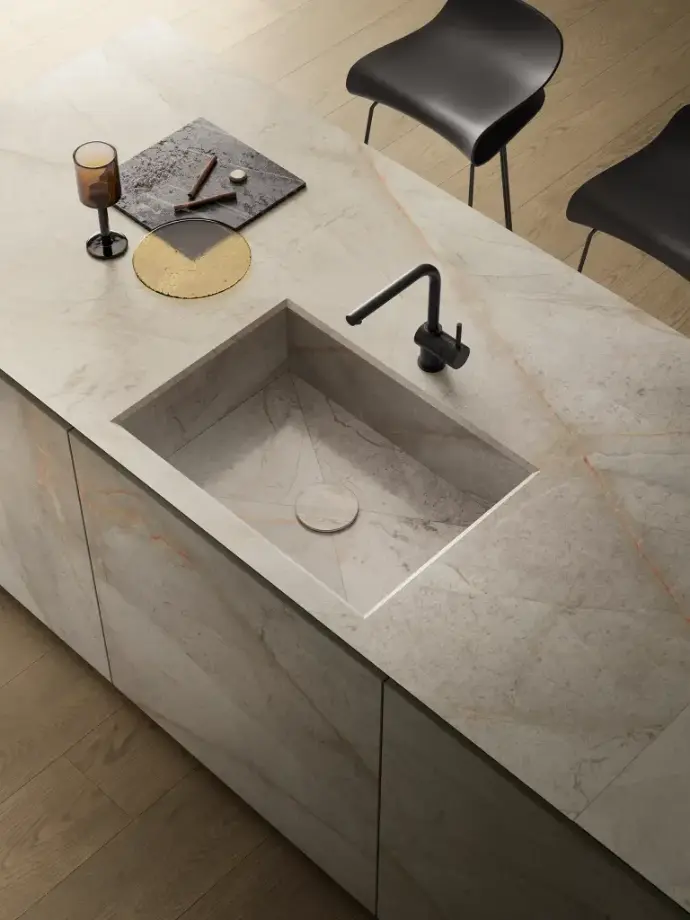
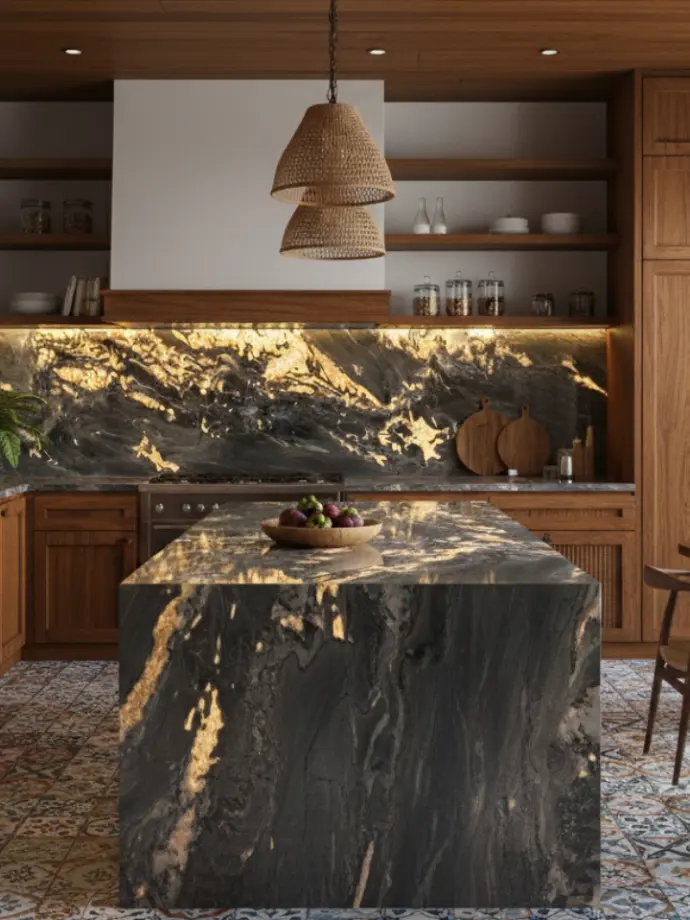
What Are the Pros and Cons of Quartz Stone Kitchen Tops?
Quartz stone has become the go-to choice for Malaysian kitchen countertops, and for good reason. But is it the right fit for your home? Let's break down the real advantages and drawbacks of quartz stone kitchen tops so you can make an informed decision for your renovation.
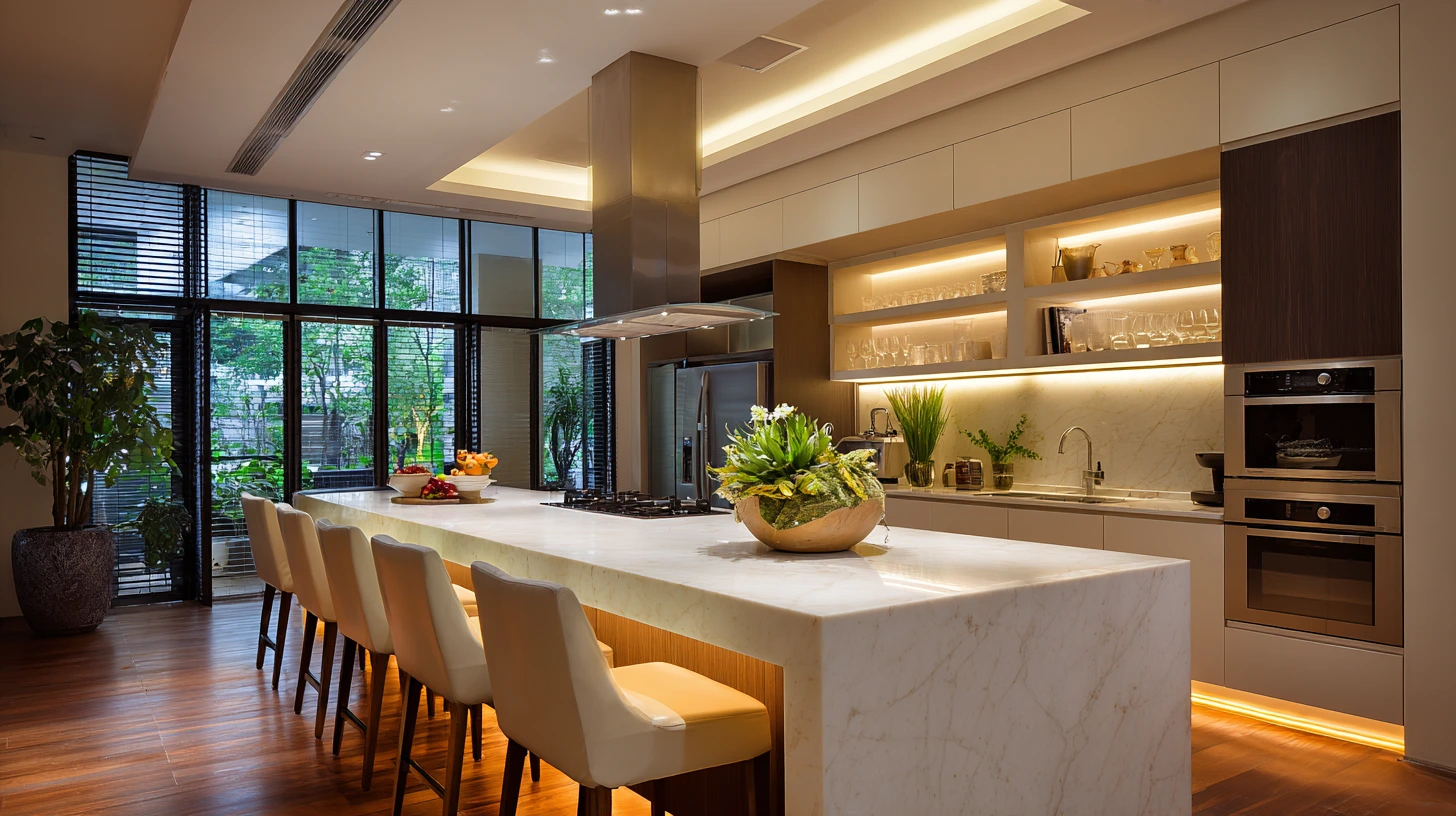
What Makes Quartz Stone Different?
Before we dive into the pros and cons, it's important to understand what quartz stone actually is. Unlike granite, which is a natural stone, quartz countertops are engineered surfaces made from approximately 90-93% natural quartz crystals bound together with polymer resins. This manufacturing process gives quartz unique properties that set it apart from other countertop materials.

The Pros of Quartz Stone Kitchen Tops
1. Exceptional Durability and Resistance
Quartz stone is incredibly hard and resistant to scratches, chips, and cracks. In a busy Malaysian kitchen where you're preparing everything from curry pastes to kuih, this durability is invaluable. You can chop directly on the surface (though we still recommend using a cutting board), and it won't easily damage.
The non-porous nature of quartz also means it's highly resistant to stains. Spill turmeric, kicap manis, or belacan paste? A quick wipe is usually all it takes. This is a huge advantage over natural stones like granite, which require regular sealing to maintain their stain resistance.

2. Low Maintenance Requirements
One of the biggest selling points of quartz for Malaysian homeowners is how little upkeep it needs. Unlike granite, which needs resealing every 1-3 years for DIY sealants, quartz requires no sealing at all.
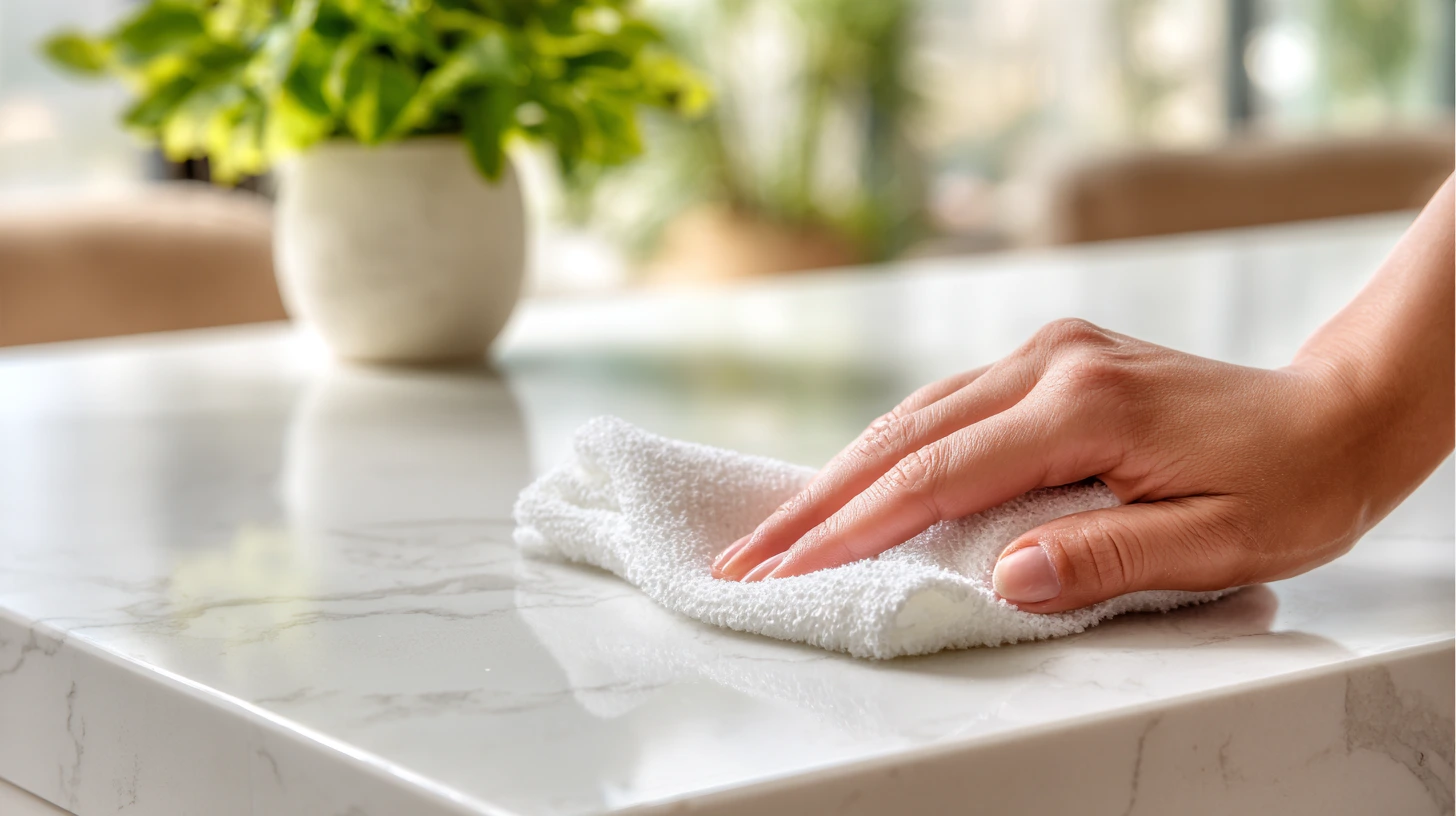
Daily cleaning is simple: just wipe down with a damp cloth and mild soap. No special cleaners, no complicated routines. For busy families or working professionals, this convenience is worth its weight in gold.
3. Hygienic and Non-Porous Surface
In Malaysia's humid climate, hygiene is a top concern. Quartz stone's non-porous surface means bacteria, mould, and mildew have nowhere to hide. This is especially important if you're handling raw chicken, seafood, or preparing food for young children.
Premium quartz brands like Silestone even carry NSF-51 food safety certification, which is the gold standard for surfaces that come into contact with food. This certification isn't just marketing—it means the surface has been rigorously tested for food safety.
4. Consistent Appearance and Wide Design Options
With quartz, what you see in the showroom is what you get. The engineered manufacturing process ensures colour and pattern consistency across slabs. This is particularly helpful when you need matching pieces for kitchen islands, breakfast bars, or if you're doing a phased renovation.
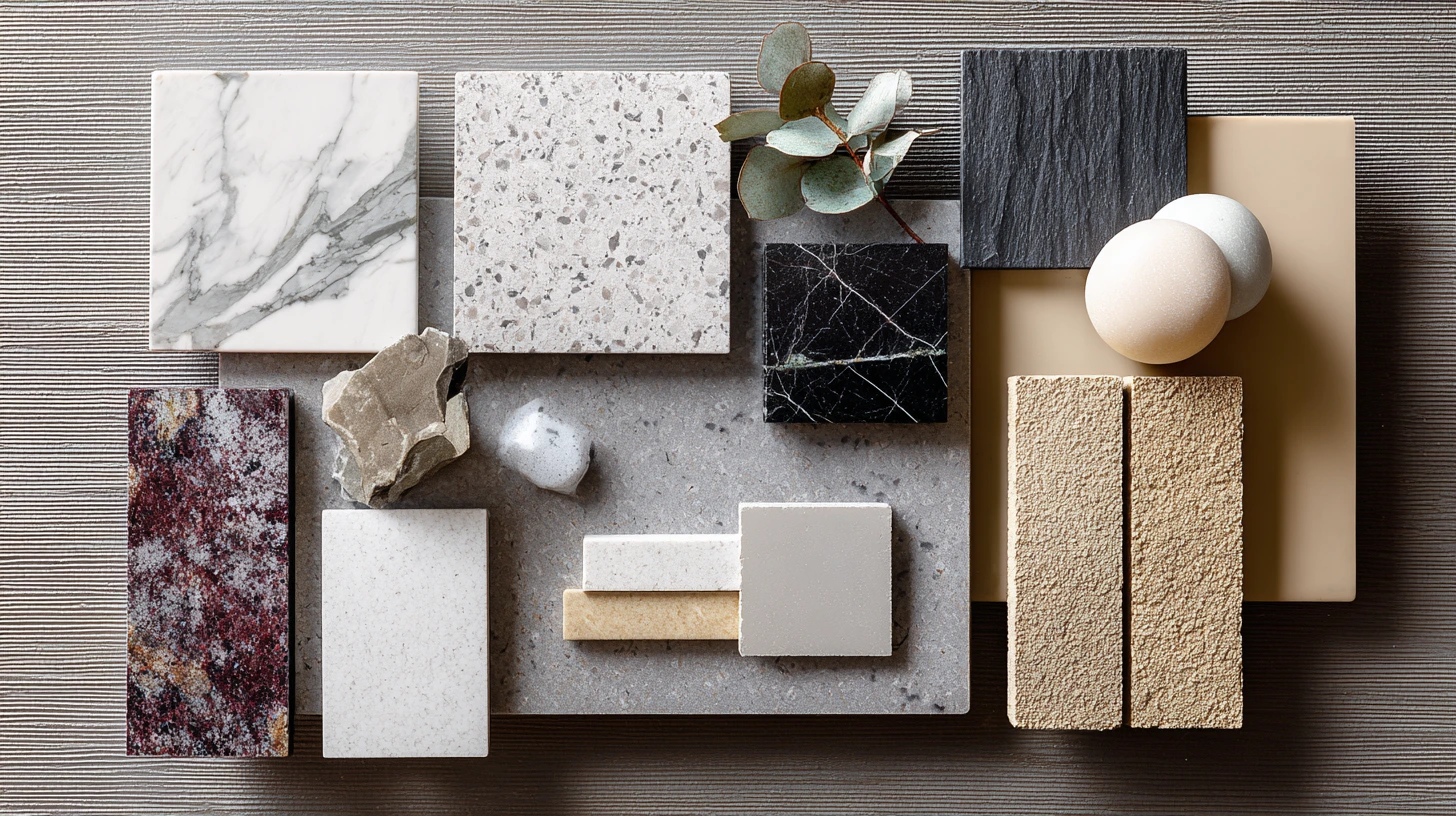
Malaysian homeowners can choose from hundreds of designs, from classic Carrara marble looks to bold contemporary patterns. Popular choices include white and grey tones that complement modern condo interiors, as well as warmer beiges that suit landed properties.
5. Good Return on Investment
Quartz countertops are worth every penny when you consider their lifespan and low maintenance costs. Whilst the upfront cost is higher than laminate or tile, you're looking at a surface that can last 15-25 years or more with proper care. In the long run, you save on resealing, repairs, and eventual replacement.
For homeowners planning to sell, a quality quartz countertop is an attractive selling point, especially in the Klang Valley's competitive property market.
The Cons of Quartz Stone Kitchen Tops
1. Higher Initial Cost
Let's address the elephant in the room: quartz is expensive. As of 2025, quartz stone prices in Malaysia typically range from RM180 to RM450 per square foot for standard options, with premium brands reaching RM600 or more per square foot.
For a typical 3-bedroom condo kitchen (about 20-25 square feet of countertop), you're looking at RM4,000 to RM11,000 or more. This is significantly higher than laminate (RM50-150/sqft) or basic tiles. However, when compared to other premium materials like sintered stone, quartz is often more affordable.
2. Not Heat Resistant
This is perhaps the most significant drawback for Malaysian cooking styles. Quartz stone can be damaged by high heat—anything above 150°C can cause discolouration, cracking, or even melting of the resin binders.
In practice, this means:
- Never place hot pots or woks directly on the surface
- Always use trivets or heat pads
- Be careful with air fryers, rice cookers, and other appliances that generate heat
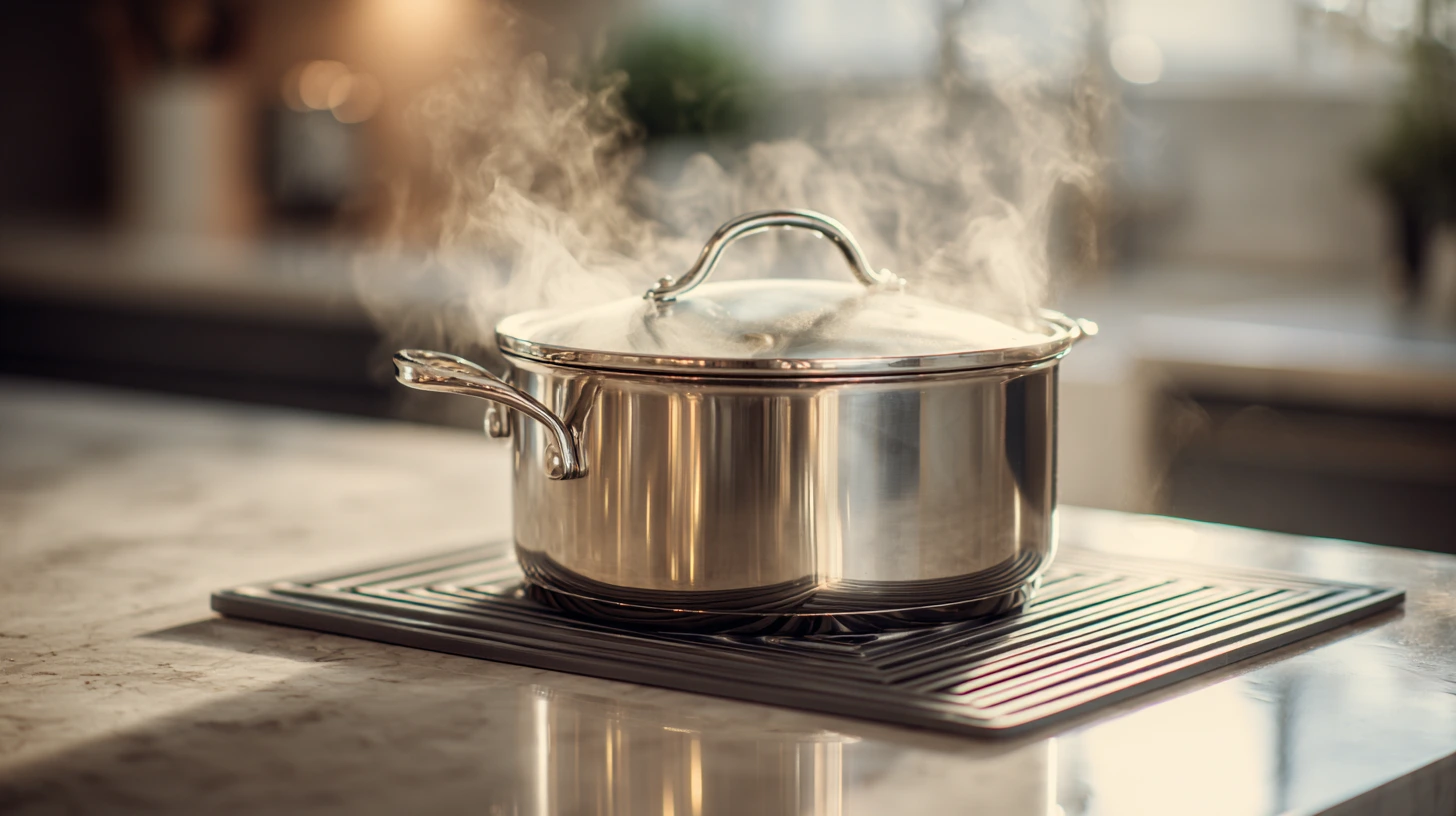 For home cooks who frequently use high-heat cooking methods (think stir-frying, deep-frying, or making roti canai), this limitation requires forming new habits. If heat resistance is crucial, you might want to consider alternatives like sintered stone or granite, both of which can handle higher temperatures.
3. Visible Seams in Large Kitchens
Quartz slabs typically come in standard sizes (approximately 3 metres × 1.4 metres). If your kitchen countertop runs longer than 3 metres, you'll have visible seams where two slabs join together.
Whilst skilled fabricators can make these seams quite discreet, they're never completely invisible—especially with darker colours or heavily patterned designs. This is more of an aesthetic consideration than a functional one, but it's worth noting if you're particular about appearance.
4. Can Look "Too Perfect" for Some Tastes
The manufactured consistency of quartz is a double-edged sword. Some homeowners feel that quartz looks too uniform or artificial compared to the organic variations found in natural granite or marble.
If you prefer the authentic, one-of-a-kind character of natural stone, quartz might not satisfy that aesthetic preference. However, modern manufacturing techniques have become incredibly sophisticated, and high-end quartz can convincingly mimic natural materials.
5. Limited Outdoor Use
Quartz isn't suitable for outdoor applications. Prolonged UV exposure can cause the resin to discolour and the surface to fade. If you're planning a covered outdoor kitchen or patio area, you'll need to look at alternatives like granite or sintered stone.
Common Myths About Quartz Stone
Before making your decision, let's clear up some common misconceptions about stone countertops:
Myth: Thicker quartz is always better
Thickness doesn't significantly impact durability for quartz. Standard 20mm thickness is perfectly adequate for most residential kitchens.
Myth: All quartz is the same
Not true. Quality varies significantly between brands. Premium brands like Caesarstone and Silestone offer superior warranties, NSF-51 certification, and more consistent manufacturing compared to budget options.
Myth: Quartz is maintenance-free
Whilst it's low-maintenance, it's not zero-maintenance. You still need regular cleaning, and you should avoid harsh chemicals and excessive heat.
How Does Quartz Compare to Other Materials?
To put things in perspective:
- Quartz vs Granite: Quartz requires less maintenance and is more consistent, but granite handles heat better and offers more authentic natural beauty.
- Quartz vs Sintered Stone: Sintered stone is more heat-resistant and UV-stable, but typically costs more and has fewer design options.
- Quartz vs Porcelain Slabs: Porcelain slabs are lighter and can mimic quartz aesthetics, but not all porcelain slabs are suitable for countertops—you need to verify they're rated for this purpose.
 Is Quartz Stone Right for Your Kitchen?
Quartz is an excellent choice if you:
- Want a low-maintenance, hygienic surface
- Prioritise stain resistance and easy cleaning
- Prefer consistent colouring and patterns
- Are willing to use trivets and heat pads
- Can accommodate the upfront investment
Consider alternatives if you:
- Frequently place hot cookware directly on countertops
- Prefer the authentic look of natural stone
- Have a very tight budget
- Need an outdoor kitchen surface
- Have countertops longer than 3m and are concerned about visible seams
Making Your Decision
Ultimately, the "right" countertop material depends on your cooking habits, aesthetic preferences, and budget. Quartz stone offers an exceptional balance of durability, low maintenance, and design versatility that makes it ideal for most Malaysian kitchens.
If you're still weighing your options, consider visiting showrooms to see and touch different materials in person. Speak with experienced fabricators who understand Malaysian cooking needs. And remember: a quality countertop is an investment that you'll interact with every single day for years to come.
Ready to explore quartz options for your kitchen? Contact Sinno for expert guidance on selecting the perfect quartz stone countertop for your Malaysian home.